
Best Overall
The best sunscreens
One pick per situation — face, body, kids, water, sensitive skin — chosen on the label, not the packaging.
Our top pick: Thinksport Sunscreen SPF 50+
Category
How much, how often, which format, and what changes when a bottle goes out of date.
Disclosure: Spf & Shore earns commission from qualifying purchases made through links on this page, at no extra cost to you. It does not change which products we recommend. Read the full disclosure.
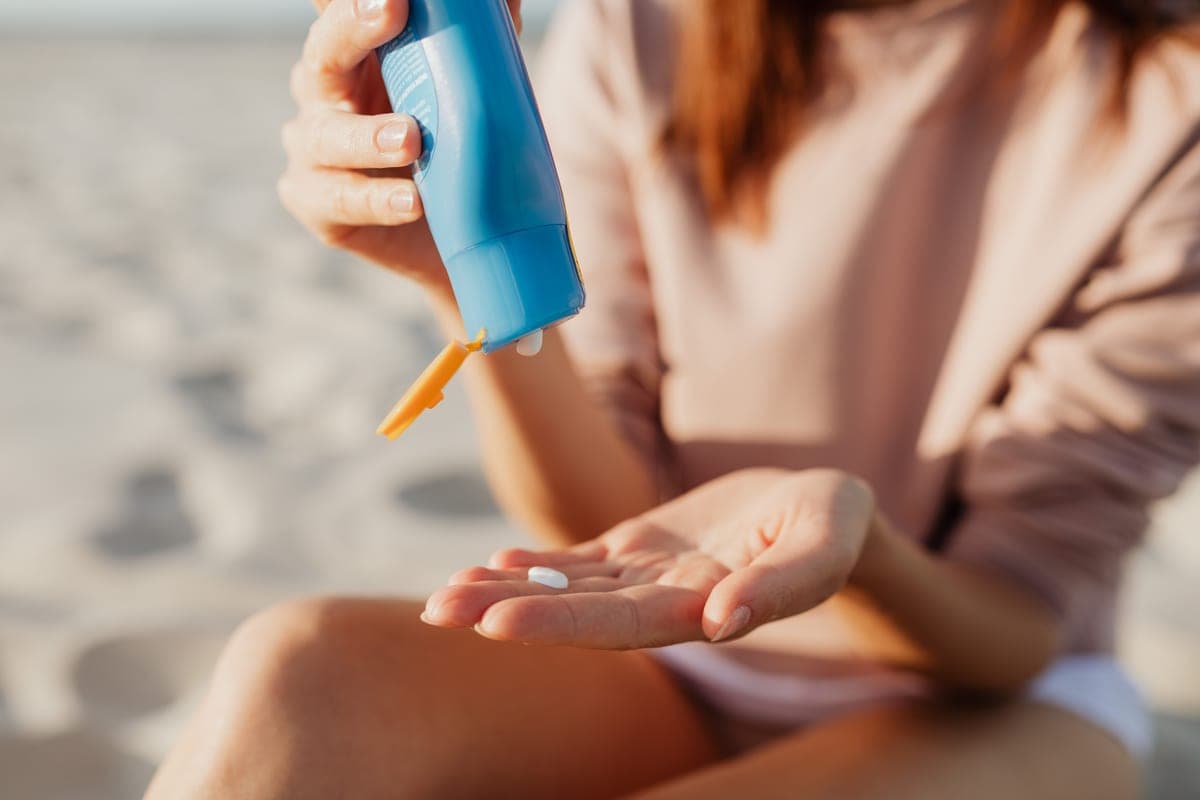
The gap between the SPF on a bottle and the protection people actually get is almost entirely a matter of how much and how often. SPF is measured in a laboratory using 2 milligrams of product per square centimeter of skin. Studies of real-world use consistently find people apply between a quarter and a half of that — and the protection you get falls faster than the amount you skip.
That is the single most useful fact in sun care, and it costs nothing to act on. An SPF 30 applied properly outperforms an SPF 50 applied thinly.
Best Overall
One pick per situation — face, body, kids, water, sensitive skin — chosen on the label, not the packaging.
Our top pick: Thinksport Sunscreen SPF 50+
Best Gifts
Sun care gifts that actually get used, chosen for the person buying rather than the enthusiast.
Our top pick: Coolibar Morada Everyday Long Sleeve T-Shirt UPF 50+

Best New-Parent Gifts
Shade, hats and swim shirts for a new baby, and why sunscreen is the wrong first gift.
Our top pick: Neso Grande Beach Tent UPF 50+

Comparison
Why sunblock was banned from US labels, what people mean when they say it, and which to buy.
Comparison
What the numbers actually mean, why the gap looks different depending on framing, and which to buy.
Comparison
What each format delivers, why sprays under-perform, and the combination that works.
Guide
How long sunscreen lasts, what heat does to it, and the signs a bottle should be thrown out.
Guide
The mechanism behind UV filters, the UVA and UVB difference, and why the amount applied matters so much.

Guide
The measures by body area, and why under-application costs more protection than it seems.
Guide
What the 40 and 80-minute claims measure, why toweling ends them, and how to plan a pool day around it.
Guide
How to tell severe sunburn from ordinary, the warning signs, and when to call a clinician.
| Area | How much | Practical equivalent |
|---|---|---|
| Whole body, adult | About 1 ounce | A shot glass, or roughly a golf-ball volume |
| Face and neck | About 1/4 teaspoon | Two strips along your index and middle fingers |
| Each arm | About 1/2 teaspoon | A generous line from wrist to shoulder |
| Each leg | About 1 teaspoon | Roughly twice an arm |
| Reapply | Every 2 hours | And immediately after swimming or toweling off |
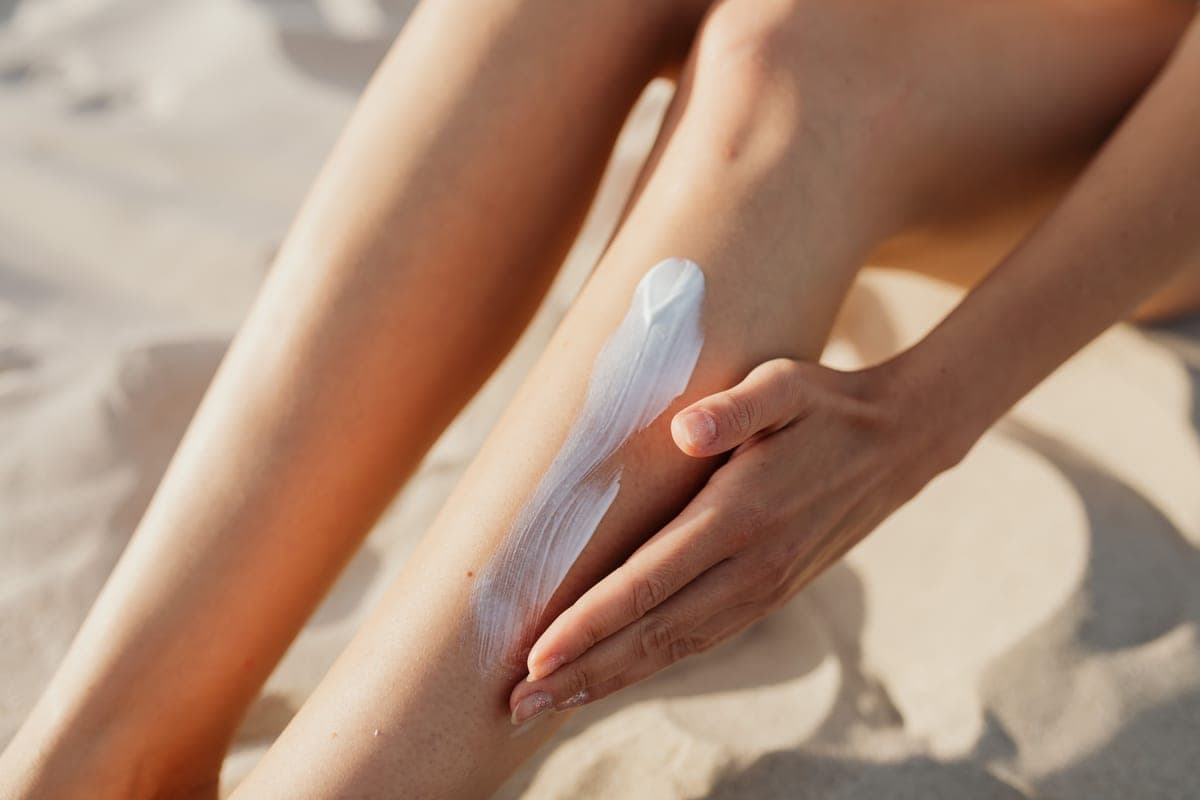
Two consequences follow. First, a standard bottle should not last a family a whole summer — if yours does, you are under-applying. Second, buying the large tube is a protection decision, not just an economy. How much sunscreen to apply has the full breakdown by body area.
SPF 30 filters about 97% of UVB; SPF 50 filters about 98%. The gap looks trivial written that way, and larger written as transmitted light: 3% versus 2% getting through is a third less. Neither framing settles it on its own. What settles it in practice is that higher SPF gives you a buffer against under-application, which everyone does. Choose SPF 30 as a floor, SPF 50 when you will be out for hours, and do not treat either as a reason to stay out longer. SPF 30 versus SPF 50 has the numbers.
Lotion is the format that most reliably delivers the tested dose. Sprays are the least reliable — the quantity landing on skin is hard to judge, wind carries product away, and the FDA advises against inhaling them, which means never spraying near a face. If you use a spray, spray until skin is visibly wet and then rub it in; the rubbing is not optional. Sticks are excellent for faces, ears and small areas and impractical for a torso. Stick versus lotion versus spray compares all three on the things that matter.
US labels may claim 40 minutes or 80 minutes of water resistance and nothing else — those are the only two tested durations permitted, and the words waterproof and sweatproof were banned outright in 2012. The clock measures immersion time, and toweling off ends it regardless of how long you were in. Water-resistant sunscreen explained covers what that means for a pool afternoon.
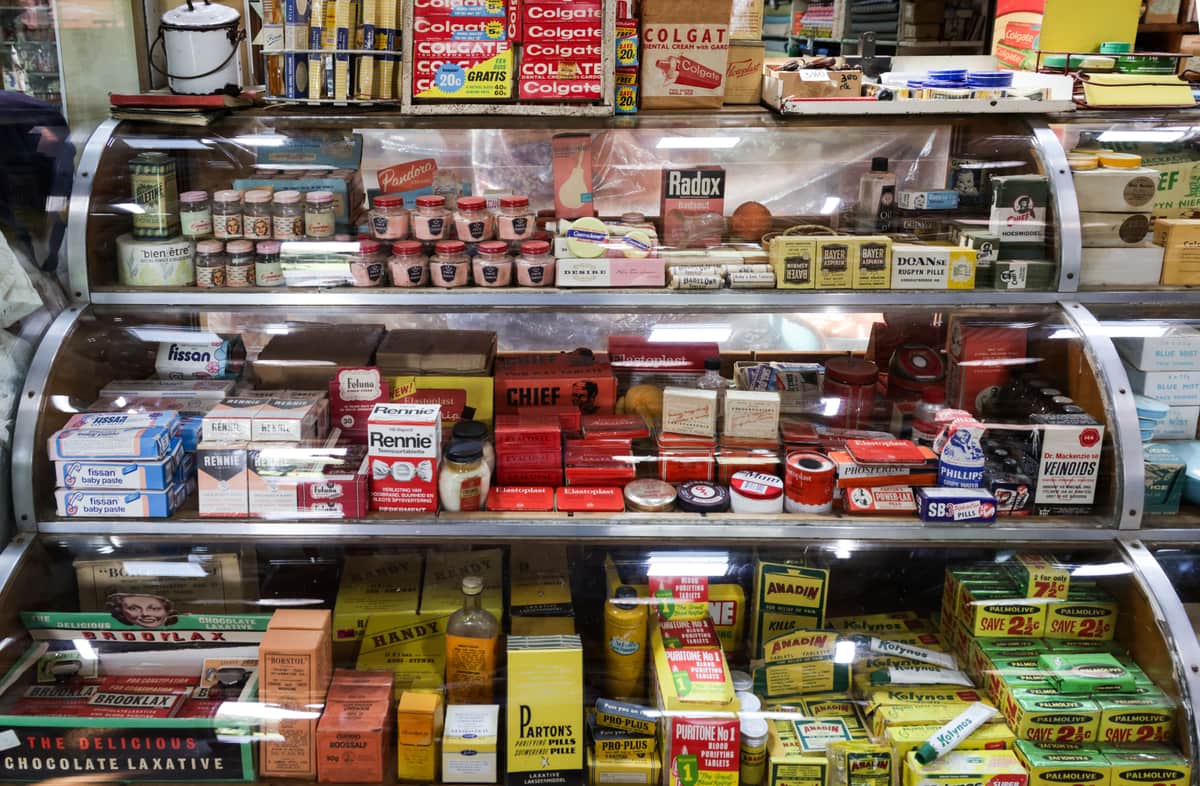
FDA rules require sunscreen to maintain its stated strength for three years, so an undated bottle is presumed good for three years from purchase. Past that, the filters degrade and the emulsion often separates. Heat accelerates all of it, which is why the bottle that lived in a car all summer is the one to bin. Signs to act on: separation, a color change, a grainy texture, or a smell that has turned. Does sunscreen expire covers storage and what actually degrades.
Most sunburn is managed at home with cool compresses, moisturizer, fluids and time. What people call "sun poisoning" is severe sunburn with systemic symptoms — blistering over a large area, fever, chills, nausea, dizziness or confusion — and it warrants medical attention rather than a home remedy. Sun poisoning versus sunburn sets out the line. This site publishes general information; for a burn you are worried about, call a clinician.
About one ounce — a shot glass — for full body coverage, and about a quarter teaspoon for face and neck. Most people apply between a quarter and a half of the tested amount, which is why real-world protection falls well short of the labeled SPF.
Every two hours, and immediately after swimming, sweating heavily or toweling off, regardless of whether the label claims 40 or 80 minutes of water resistance.
Yes. FDA rules require sunscreen to hold its stated SPF for three years, and many bottles carry a printed expiration date. Heat shortens that, so a bottle stored in a hot car should be replaced.
Only if you apply enough and rub it in, which most people do not. Lotion delivers the tested dose far more reliably. Sprays should never be used near the face because of the inhalation risk.