
Best Tinted
The best tinted sunscreens
Tinted mineral formulas that cancel the cast and add visible-light protection, across every finish.
Our top pick: EltaMD UV Physical Tinted Broad-Spectrum SPF 41
Category
The formulas that disappear on skin, what iron oxides add, and where tint stops being cosmetic and starts being protection.

Disclosure: Spf & Shore earns commission from qualifying purchases made through links on this page, at no extra cost to you. It does not change which products we recommend. Read the full disclosure.
Face sunscreen is the hardest sunscreen to get right, because it has to satisfy two requirements that pull against each other: enough mineral filter to protect, and little enough visible residue that you will put it on every morning without thinking about it. The formulas that succeed do so through tint, not through less zinc.
That is the core insight of this category. A tinted mineral sunscreen is not a watered-down one. It usually contains the same filter load as its untinted sibling, with iron oxides added to cancel the whiteness optically — and those iron oxides bring a protective benefit of their own against visible light.
Best Tinted
Tinted mineral formulas that cancel the cast and add visible-light protection, across every finish.
Our top pick: EltaMD UV Physical Tinted Broad-Spectrum SPF 41
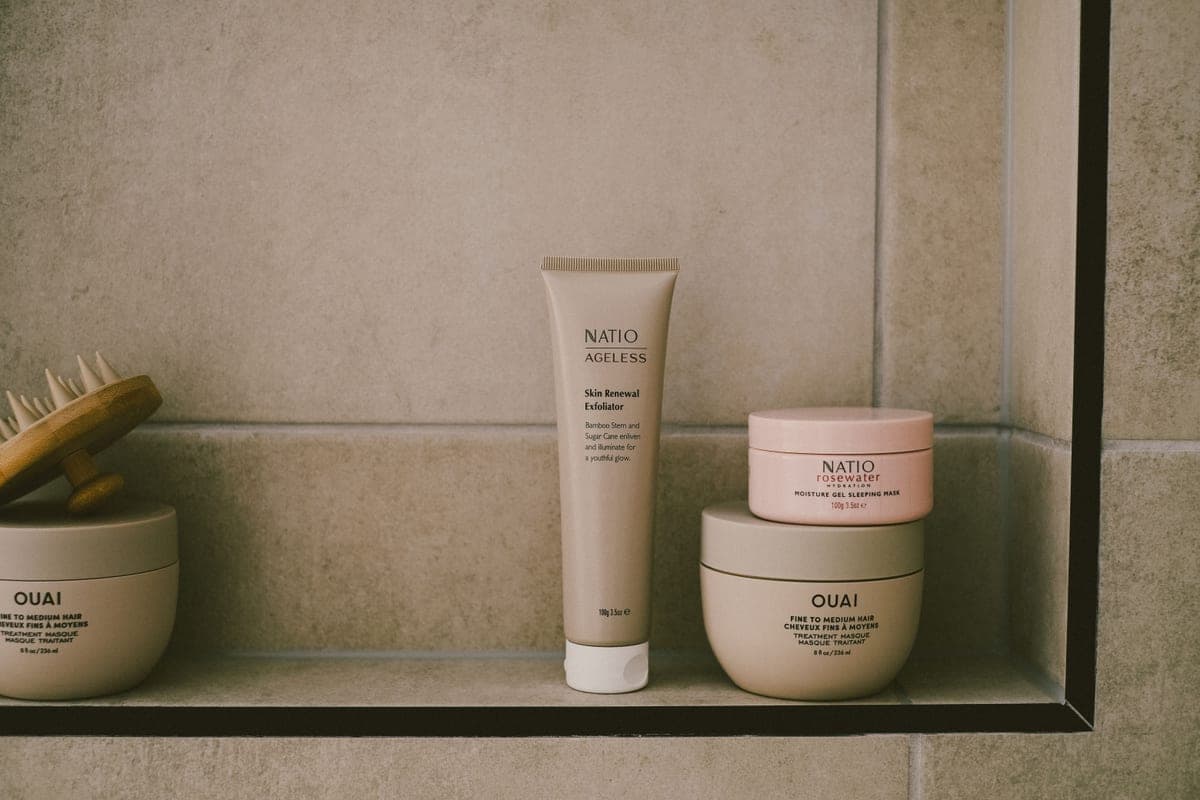
Best for Face
Daily face SPF by skin type and finish, from mineral to hybrid, with the trade-off named on each.
Our top pick: CeraVe Hydrating Mineral Sunscreen SPF 50 Face

Best for Deeper Tones
Adaptive and buildable tinted formulas for deep skin, and where the category still falls short.
Our top pick: Colorescience Sunforgettable Total Protection Face Shield SPF 50
Best Sensitive Face
Fragrance-free mineral face formulas for reactive skin, and the ingredient groups that trigger most reactions.
Our top pick: Vanicream Mineral Sunscreen SPF 50+ for Sensitive Skin
Comparison
What tint adds beyond cosmetics, where untinted still wins, and how to choose between them.
Comparison
What each format delivers, why powder cannot be your primary SPF, and how to combine them.
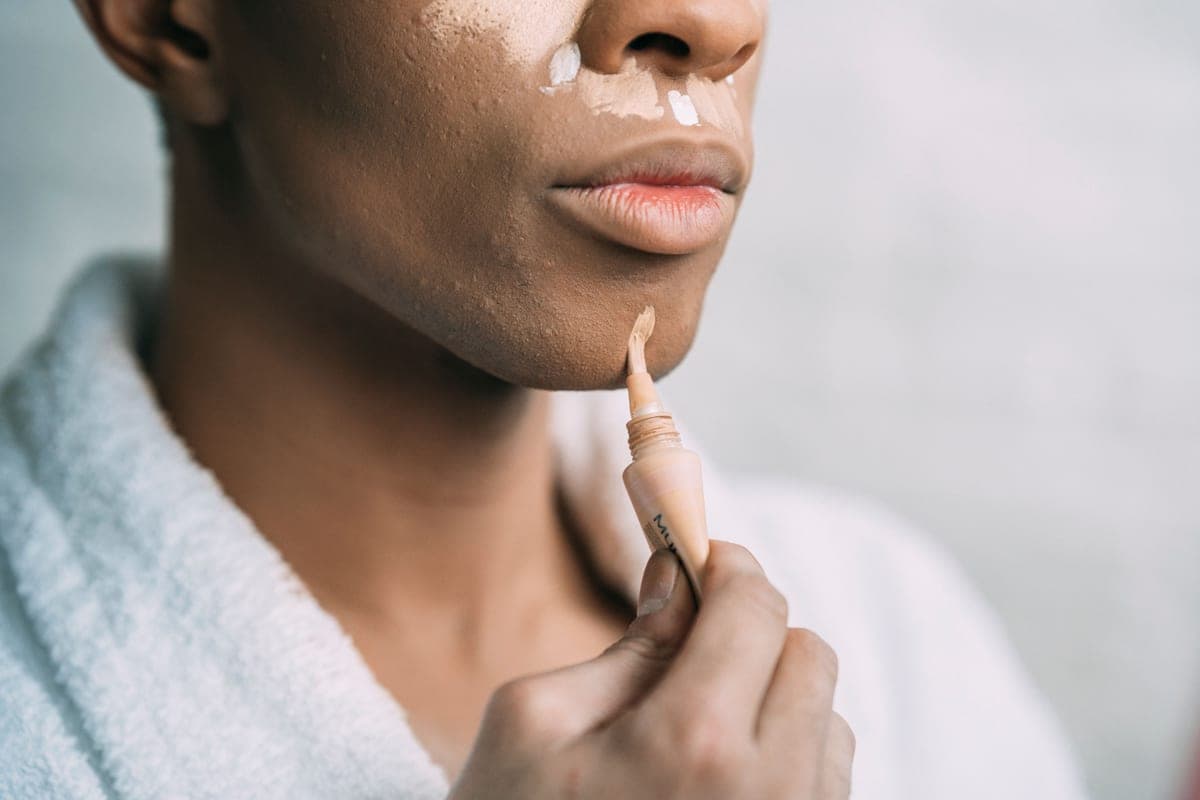
Guide
Why iron oxides protect as well as tint, and what that means for melasma and hyperpigmentation.

Guide
The correct order, why pilling happens, and how to reapply over a finished face.
Guide
Why tinted SPF is legally a sunscreen, when it can replace foundation, and when it cannot.
Zinc oxide and titanium dioxide handle ultraviolet. Neither does much against visible light, the part of the spectrum you can actually see — and visible light is implicated in pigmentation disorders including melasma and post-inflammatory hyperpigmentation, which disproportionately affect people with more melanin in their skin. Iron oxides absorb visible light. That is why dermatologists treating melasma routinely specify a *tinted* mineral sunscreen rather than any mineral sunscreen.
So the tint is doing two jobs at once: making the product wearable, and closing a gap the UV filters leave open. Iron oxides and visible light goes through the mechanism in detail.
Most untinted mineral sunscreens are unwearable on deep skin, and a large share of tinted ones stop at a shade range that runs out well before the deepest tones. The products that work tend to be either genuinely shade-ranged, or engineered so the tint is sheer enough to adapt. This is worth being blunt about rather than pretending the category is solved. Our tinted picks for deeper skin tones is built around that specific problem, and it names the ones that fall short.
Sunscreen is the last skincare step and goes on before makeup. Moisturizer first, sunscreen second, makeup third. The common error is applying a mineral SPF over a still-wet moisturizer, which dilutes it and produces patchy coverage and pilling. Give the layer underneath a minute. Sunscreen order in your routine is the long version — including how to reapply over makeup without starting again.
A related question worth settling: most people apply roughly a quarter to a half of the amount used in SPF testing on their face. The standard reference dose is about a quarter teaspoon for the face and neck, or the two-finger measure. Under-applying an SPF 50 does not give you SPF 50 at a discount — it gives you a substantially lower number. See how much sunscreen to apply.
For most people, yes on two counts: it eliminates the white cast that stops people wearing mineral SPF, and its iron oxides add protection against visible light that UV filters do not provide. The exception is if no available shade matches your skin.
Iron oxides absorb visible light, which includes the blue-light range. That is a meaningful protective benefit for pigmentation concerns, and it is why tinted formulas are standard advice for melasma.
About a quarter teaspoon for face and neck, commonly described as the two-finger measure — two strips of product along the length of your index and middle fingers.
After. Moisturizer first, let it settle for a minute, then sunscreen, then makeup. Applying SPF onto wet moisturizer causes patchiness and pilling.