Face & Tinted SPF
Sunscreen for eyelids and around your eyes
The thinnest skin you own, on the one area most people deliberately skip.
Disclosure: Spf & Shore earns commission from qualifying purchases made through links on this page, at no extra cost to you. It does not change which products we recommend. Read the full disclosure.
Use a zinc oxide stick around the eye area and good sunglasses over the lids themselves. A solid stick is the format that works here for a mechanical reason rather than a chemical one: there is almost no mobile liquid in it, so it does not migrate into the tear film and sting the way a lotion does. Our pick is the Blue Lizard Sensitive Mineral Stick SPF 50+ at 20% zinc oxide.
This area deserves a page because of two facts people are rarely told. Eyelid skin is the thinnest on the body, and the lower eyelid is one of the more common sites for basal cell carcinoma — a cancer strongly associated with cumulative sun exposure. The eye area is not a place to be relaxed about; it is a place where the right tool is usually fabric and lenses rather than more product.
Why the eye area is different
Three things set it apart. The skin on an eyelid is far thinner than the skin on a cheek and has almost no fat underneath it, so there is less tissue to absorb damage. The area moves constantly — blinking, squinting, expression — which breaks a film faster than a static patch of skin does. And it is adjacent to the tear film, which is why anything that migrates will be felt immediately and wiped off, taking the sunscreen with it.
Then there is the behavioral problem. Because stinging is unpleasant, most people learn to stop their sunscreen at the orbital bone, which leaves the inner corner, the lower lid and the area under the lash line permanently unprotected across decades of sun exposure. That is precisely the geometry of where lower-lid skin cancers tend to appear. How to prevent skin cancer is the AAD's framing of the same point.
Why sunscreen stings, and what actually fixes it
The sting is usually not an allergy. It is the emulsifiers, solvents and preservatives in a liquid formula moving into the tear film — which is why the same product can be fine on a cool morning and unbearable on a hot run, when sweat gives it a route. Switching filters often does not help; switching formats almost always does.
- A stick has very little mobile liquid. It stays where it is put, which is the single most effective change.
- A thicker mineral cream migrates less than a thin lotion. If you prefer a cream, pick a dense one and pat rather than rub.
- Fragrance-free reduces the chance of genuine irritation, which is a separate problem from mechanical stinging.
- Zinc-led formulas have the longest record of use on delicate and infant skin, which is why everything on this page is zinc-forward.
- Nothing goes on the wet rim of the lid, where lashes meet lid. That is a boundary, not a target.
If a product stings even at rest, treat that as a reaction rather than a nuisance — sunscreen allergy and sunscreen rash covers what to do. For the version of this problem that involves a child who now refuses sunscreen entirely, sunscreen that does not sting your child's eyes is the better page.
What to use around the eyes
Three products, for three slightly different versions of the problem: a sensitive-skin stick, a kids' stick for the gentlest possible option, and a zinc-only cream for anyone who would rather pat something on than drag a stick across thin skin.
Our picks in detail
01 · Best overall
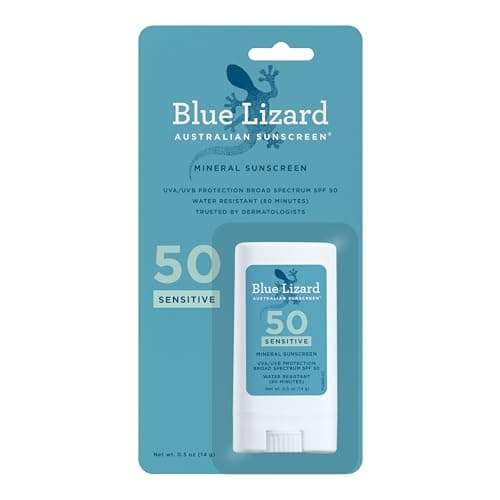
Blue Lizard Sensitive Mineral Sunscreen Stick SPF 50+
Blue Lizard · Read our Blue Lizard review
20% zinc oxide at SPF 50+ with 80 minutes of water resistance, fragrance-free, in a stick firm enough to control precisely along an orbital bone.
- Actives:
- 20% zinc oxide
- SPF:
- SPF 50+
- Water resistance:
- 80 minutes
- Reef status:
- Zinc only — no oxybenzone, octinoxate or octocrylene
- Best for:
- Adults who want one stick for the whole eye area and face
What works
- Zinc-only actives at the maximum US water-resistance claim
- Fragrance-free, which rules out one cause of irritation
- Firm enough for precise application near the lash line
The trade-off
- Leaves a visible white film until worked in
- Firm texture wants warming before it will glide
- Small — it is a face product, not a body one
#ad We earn from qualifying purchases · Price as of November 2, 2026
02 · Gentlest option
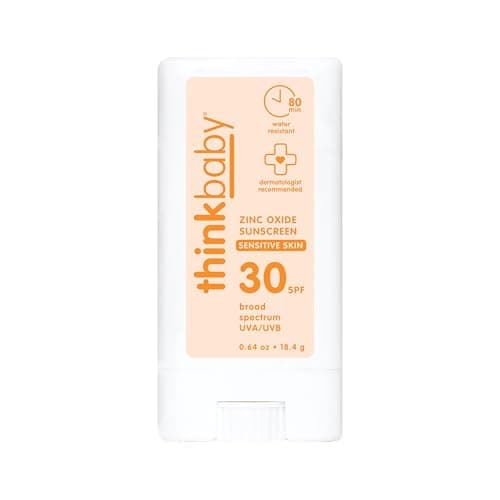
Thinkbaby Safe Sunscreen Stick SPF 30
Thinkbaby · Read our Thinkbaby review
Non-nano zinc oxide at SPF 30 with 80 minutes of water resistance and nothing in it to argue with. Formulated for infant skin, which is the right benchmark for an eyelid.
- Actives:
- Non-nano zinc oxide
- SPF:
- SPF 30
- Water resistance:
- 80 minutes
- Reef status:
- Zinc only
- Best for:
- Reactive skin, and anyone who has given up after a bad sting
What works
- Non-nano zinc only, no fragrance
- 80-minute water resistance
- Cheap enough to keep one in every bag
The trade-off
- SPF 30 rather than 50
- Noticeably white on application
- Drags on dry skin until warmed
#ad We earn from qualifying purchases · Price as of November 2, 2026
03 · Best cream to pat on
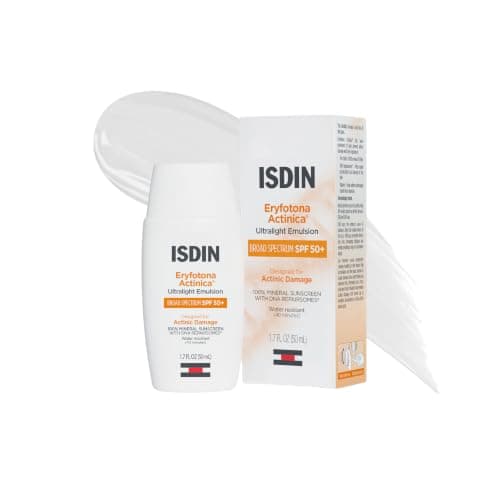
ISDIN Eryfotona Actinica Mineral Sunscreen SPF 50+
ISDIN
Zinc oxide as the sole active filter at SPF 50+, light enough to pat around an eye socket without dragging. The absent water-resistance claim makes it a daily-wear product.
- Actives:
- Zinc oxide as the sole active filter
- SPF:
- SPF 50+
- Water resistance:
- Not labeled water resistant
- Reef status:
- Zinc only
- Best for:
- Anyone who would rather not drag a stick across thin skin
What works
- Zinc oxide as the only active filter
- Light enough to pat rather than rub
- Short, fragrance-free panel
The trade-off
- No water-resistance claim — wrong for sweat or water
- Expensive per ounce
- A liquid, so it can still migrate on a hot day
#ad We earn from qualifying purchases · Price as of November 2, 2026
How to apply it, step by step
- Warm the stick first on the back of your hand or your cheek. A cold stick drags, and dragging on eyelid skin is both uncomfortable and bad for it.
- Work from the outer corner inward, along the orbital bone — the bony ridge you can feel under your brow and beneath your lower lashes.
- Stop at the lash line, not at the bone. Most people stop a centimeter too early. The target is the skin right up to where the lashes begin, not the moving lid margin itself.
- Pat it in with a fingertip rather than rubbing. Patting settles the film without dragging thin skin or pushing product toward the eye.
- Do the inner corner and the bridge of the nose. Both are routinely missed and both get direct sun when you look down.
- Wait a minute before putting on glasses or makeup, so the film sets rather than transferring onto a frame.
If you wear makeup, the reapplication question becomes a separate problem. Reapplying sunscreen over makeup covers the formats that let you top up without starting over.
Sunglasses are the better tool for the lid itself
No sunscreen belongs on the moving margin of an eyelid, which means the lid is the one area where the answer is not product. Sunglasses that block UV cover the lid, the lash line and the inner corner at once, and they do it without any dose or reapplication question. The Skin Cancer Foundation lists sunglasses alongside clothing and hats as primary sun protection for exactly this reason.
Two features matter more than style. A larger lens and a wraparound shape block light arriving from the side, which is the direction a flat lens misses entirely. And a brim above adds a second layer: the best sun hats covers brim width, which does more for the eye area than most people expect. Lens darkness, for the record, has nothing to do with UV blocking.
The reflected-light problem
The eye area is unusually exposed to UV arriving from below, which is the one angle a hat cannot cover. Water, sand and fresh snow all reflect UV upward into the lower lid and the inner corner, which is why a flat-light ski day or a day on a boat burns faces in a pattern that makes no sense until you think about where the light came from.
That is also the strongest practical argument for doing the lower lid properly rather than the upper one. Under a brim, your upper lids are often shaded; your lower lids are taking reflected light all day. What UV index means for sunscreen covers how much of this to expect on a given day.
What to do if you get sunscreen in your eye
Rinse with cool water for several minutes, resist rubbing, and expect stinging and blurry vision to settle within an hour. Do not reapply sunscreen to the area while it is still irritated. If pain, light sensitivity or blurred vision persist beyond a few hours, that is a reason to see a clinician rather than wait it out.
And then change the format rather than the brand. A second lotion will usually do the same thing as the first one. A stick generally will not. And none of it addresses the eye itself, which needs a UV-filtering lens rather than a cream: the best sunglasses for UV protection covers what that actually requires.
Sources
- How to prevent skin cancer — American Academy of Dermatology
- Sunscreen — Skin Cancer Foundation
- Sun-Protective Clothing — Skin Cancer Foundation
- Sunscreen FAQs — American Academy of Dermatology
- Sun Safety — Centers for Disease Control and Prevention
Frequently asked questions
Can you put sunscreen on your eyelids?
On the skin of the lid up to the lash line, yes — and you should, because eyelid skin is the thinnest on the body and the lower lid is a common site for basal cell carcinoma. Keep product off the wet margin where the lashes meet the lid, and use UV-blocking sunglasses to cover the lid itself.
What sunscreen does not sting your eyes?
A solid zinc oxide stick, in most cases. The sting comes from liquid components migrating into the tear film, so the fix is a format with very little mobile liquid rather than a different filter. Fragrance-free also removes one cause of genuine irritation.
Is mineral sunscreen better around the eyes?
Generally yes, for two reasons: zinc oxide has the longest record of use on delicate and infant skin, and mineral sticks are the format least likely to migrate. Mineral is not automatically non-irritating, but it is the better starting point here.
Do sunglasses protect your eyelids from the sun?
Yes, and for the lid margin itself they are the better tool. Choose UV-blocking lenses in a large or wraparound shape to block light from the side as well as the front; lens darkness has nothing to do with UV protection.
What do you do if sunscreen gets in your eye?
Rinse with cool water for several minutes and avoid rubbing. Stinging and blurred vision usually settle within an hour. If pain, light sensitivity or blurred vision last longer than a few hours, see a clinician.
Read next
Kids & Baby
Sunscreen that does not sting your child's eyes
Why sunscreen stings, which formulas and formats stop it, and how to apply around the eye area.
Face & Tinted SPF
The best sunscreen for your face
Daily face SPF by skin type and finish, from mineral to hybrid, with the trade-off named on each.
Sun Protective Gear
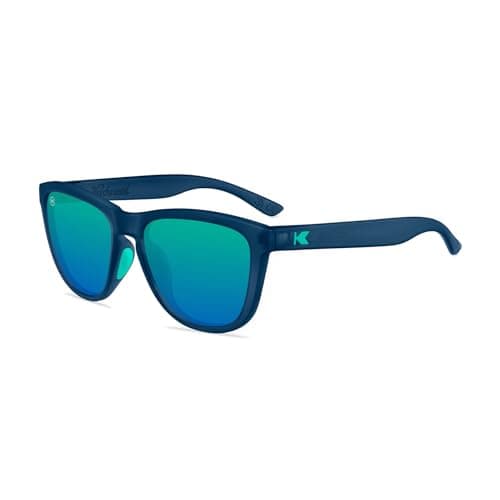
The best sunglasses for UV protection
Dark is not protective and polarized is not the same as UV-blocking. The optometrist criteria that matter and the sunglasses that meet them.
Sun Safety
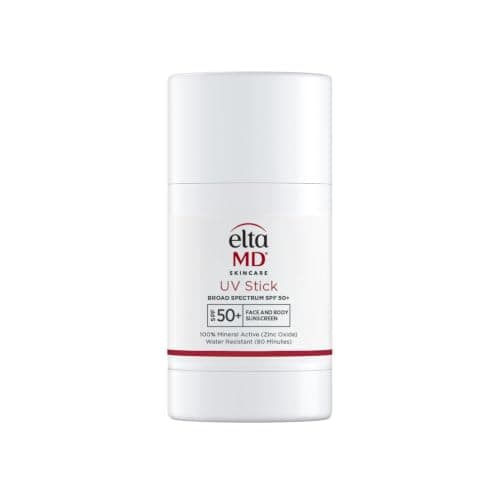
The best sunscreen sticks
The sunscreen sticks worth buying, what their actives panels say, and the number of passes it takes to reach the SPF on the tube.
Sun Protective Gear
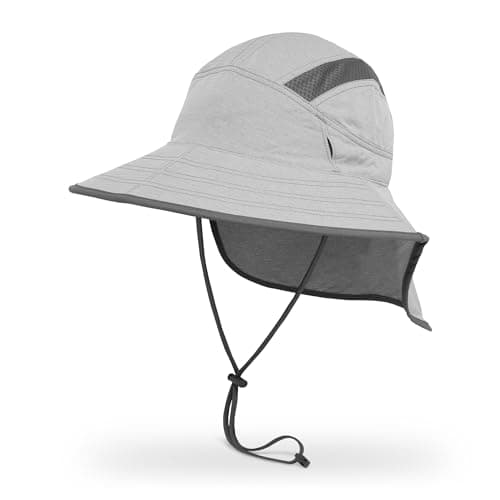
The best sun hats
Wide-brim UPF 50+ hats for adults and children, and why a baseball cap is not enough.

Reef-Safe & Ingredients
Sunscreen allergy and sunscreen rash
What actually causes a sunscreen rash, why fragrance is the usual culprit rather than the filters, and the formulas to fall back on.