Face & Tinted SPF
How to reapply sunscreen over makeup
Three formats work. Only one of them gets anywhere near a real dose.
Disclosure: Spf & Shore earns commission from qualifying purchases made through links on this page, at no extra cost to you. It does not change which products we recommend. Read the full disclosure.
A loose mineral powder is the most practical way to add SPF over makeup, and the Colorescience Brush-On Shield SPF 50 is our pick — zinc oxide and titanium dioxide in a loose powder with an 80-minute water-resistance claim. A stick is second and a mineral mist is third. All three work. None of them delivers the dose that produced the number on the label.
That caveat is the whole honest version of this topic, so it goes first. Nobody applies a tested dose of sunscreen on top of a full face of makeup. What these formats buy you is a real, partial top-up where the alternative was nothing at all — and in the middle of a workday, partial beats nothing by a wide margin.
Why this is hard in the first place
A sunscreen film works by being continuous and thick enough. Makeup sits on top of the morning's film as a second layer with its own texture, and anything you apply over that has to either sit on the makeup without disturbing it, or go through it. Rubbing a lotion over foundation does the second thing, which is why it streaks, lifts and patchily removes the makeup you were trying to preserve.
So the workable formats are the ones that do not require rubbing: a powder you press on, a stick you press and roll, and a mist you spray. Each gives up something, and the something is almost always dose. How much sunscreen to apply is the measurement this page is quietly failing to meet.
The three formats, compared
| Format | How it goes on | Disturbs makeup? | Honest dose assessment |
|---|---|---|---|
| Loose mineral powder | Pressed and swept with a brush | No — it sets rather than lifts | Partial; the best of the three with repeat passes |
| Stick | Pressed and rolled, not dragged | Slightly, on cream products | Partial; good on nose, cheekbones and hairline |
| Mineral mist or spray | Sprayed from a short distance | No, if you do not rub it in | Weakest; most of it never lands evenly |
| Starting over | Cleanse, sunscreen, redo makeup | Completely | Full — the only option that reaches a real dose |
The last row is there because it is the right answer before a long afternoon outdoors. The first three are the right answers before a walk to lunch.
What to look for in an over-makeup SPF
Four things. A real SPF number from the panel, not a passing mention of sun protection in marketing copy. Mineral filters, because a powder or a pressed-on product is sitting on the surface rather than forming a thin even liquid film, and minerals suit that. A shade range that does not gray you, since a loose zinc powder on deeper skin tones is the main failure mode of this whole category. And a format you will carry, since a product in a desk drawer at home protects nobody.
We read the actives panel for every product below on the brand's own US product page or its retail drug-facts listing and confirmed each had a working add-to-cart on the day this page was written. We do not run a lab and we do not wear-test. Our methodology is the long version.
Our picks in detail
01 · Best overall
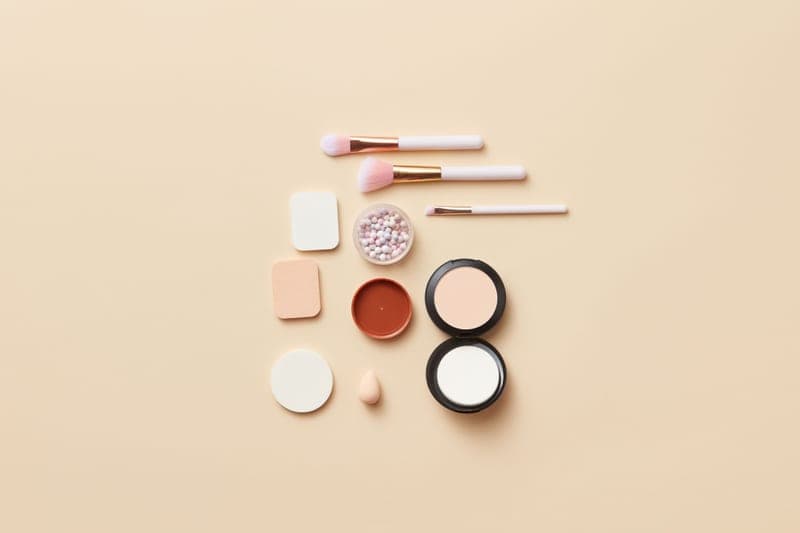
Colorescience Sunforgettable Total Protection Brush-On Shield SPF 50
Colorescience · Read our Colorescience review
Zinc oxide and titanium dioxide in a loose mineral powder at SPF 50, with an 80-minute water-resistance claim. The self-dispensing brush is the reason it gets used — there is nothing to decant and nothing to spill.
- Actives:
- Zinc oxide and titanium dioxide in a loose mineral powder
- SPF:
- SPF 50
- Water resistance:
- 80 minutes
- Reef status:
- Mineral filters only
- Best for:
- A midday top-up that sets makeup instead of lifting it
What works
- Presses on over makeup without disturbing it
- Mineral filters at SPF 50 with an 80-minute claim
- Doubles as a shine-control powder, so it gets used daily
The trade-off
- Expensive, and the brush holds a small amount of product
- Shade range can read gray on deeper skin tones
- Powder comes off with sweat quickly
02 · Best stick
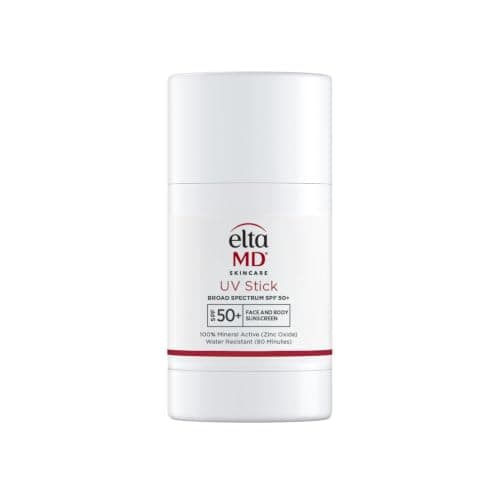
EltaMD UV Stick Broad Spectrum SPF 50+
EltaMD · Read our EltaMD review
22% transparent zinc at SPF 50+ with 80 minutes of water resistance. Goes on clearer than most sticks, which is what makes it tolerable over foundation.
- Actives:
- 22% transparent zinc oxide
- SPF:
- SPF 50+
- Water resistance:
- 80 minutes
- Reef status:
- Zinc only — no oxybenzone, octinoxate or octocrylene
- Best for:
- Noses, cheekbones and hairlines, pressed rather than dragged
What works
- Lays down more product per pass than a powder does
- Zinc-only actives at the maximum US water-resistance claim
- Pocketable and nothing to spill
The trade-off
- Will lift cream products if you drag rather than press
- Dermatology-counter pricing
- Can leave a slight sheen on an otherwise matte face
#ad We earn from qualifying purchases · Price as of November 2, 2026
03 · Best mist
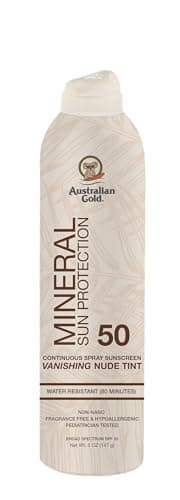
Australian Gold SPF 50 Tinted Mineral Sunscreen Spray
Australian Gold
A tinted mineral spray at SPF 50 with an 80-minute claim. The tint helps it land without graying a made-up face; the format is the weakest of the three on dose and we would not pretend otherwise.
- Actives:
- 4.40% zinc oxide with 4.10% titanium dioxide, tinted
- SPF:
- SPF 50
- Water resistance:
- 80 minutes
- Reef status:
- Mineral filters only
- Best for:
- A fast pass over a face and neck with nothing to touch
What works
- Nothing to touch, so nothing gets lifted
- Tinted, which hides the mineral cast
- Covers the neck and chest as well as the face
The trade-off
- The weakest dose of the three formats
- Overspray lands on hair, glasses and clothes
- Needs two passes from different angles to be worth doing
#ad We earn from qualifying purchases · Price as of November 2, 2026
04 · Best way to start over
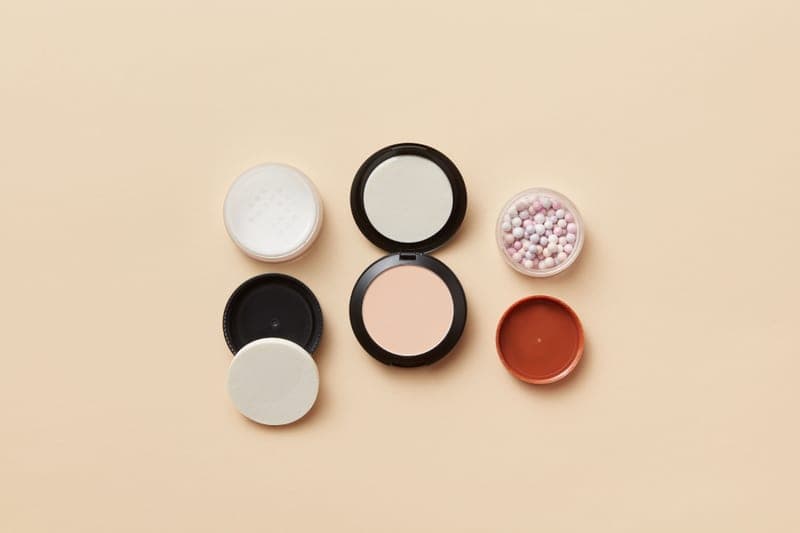
EltaMD UV Elements Tinted Moisturizer SPF 44
EltaMD · Read our EltaMD review
An all-mineral tinted moisturizer at SPF 44. If you are going to wash your face and begin again, this is the layer that can double as the base and spare you one makeup step.
- Actives:
- Zinc oxide and titanium dioxide, tinted with iron oxides
- SPF:
- SPF 44
- Water resistance:
- 40 minutes
- Reef status:
- Mineral filters only
- Best for:
- Cleansing and rebuilding before a long afternoon outside
What works
- All-mineral with an iron oxide tint
- Replaces a makeup step, so starting over is faster
- Moisturizer base suits dry skin
The trade-off
- 40 minutes of water resistance, not 80
- Sheer coverage will not cancel redness
- Expensive per ounce
How to do it properly, by format
Technique matters more here than product choice, because all three formats fail the same way — too little, too fast.
- Powder: load the brush, tap off nothing, and press rather than sweep. Do three passes over the nose, cheekbones and forehead, and only then sweep to blend. Pressing deposits product; sweeping mostly moves it around.
- Stick: warm it on the back of your hand, then press and roll it along the high points rather than dragging it. Pat with a fingertip to settle it, which also keeps it from taking foundation with it.
- Mist: spray close enough that the product lands rather than drifts — about a hand's span — and do two passes from different angles. Do not rub it in, and accept that this is the weakest of the three.
- All three: do the ears, the hairline part and the sides of the neck, none of which have makeup on them and all of which get missed.
- All three: repeat on the two-hour cycle outdoors. One pass at lunchtime is a gesture, not a reapplication.
When to stop improvising and wash your face
There is a line, and it is worth being clear about where it falls. If you are going to be outdoors for hours — a ball game, a wedding on a lawn, a day at a theme park — the powder is not enough and the honest move is to cleanse and start again with a proper layer underneath. How to remove mineral sunscreen covers doing that without wrecking your skin.
The other case for starting over is water. None of these formats survives swimming, and a powder in particular comes straight off with sweat. What water-resistant sunscreen actually means explains why a claim earned in an immersion test does not transfer to a film sitting on top of foundation.
The better upstream fix
Most of this problem is created in the morning. A generous, properly dosed sunscreen layer under makeup means the midday top-up is a bonus rather than a rescue — and a tinted mineral sunscreen can replace a step of makeup entirely, which removes the conflict at the source. Tinted versus untinted sunscreen covers that trade, and where sunscreen goes in your routine covers the order.
The other upstream fix is a hat. A brim does more for a made-up face at lunchtime than any powder, and it does not need reapplying at all. The best sun hats covers brim width, which is the only specification that matters.
What we are not going to tell you
You will find pages that quantify how much SPF a powder top-up delivers. We are not going to, because the honest answer depends on how much powder you pressed on, how much makeup was under it and how evenly it landed — and nobody has measured that for your face. Every SPF number is tested at a fixed dose on bare skin, and a top-up over makeup is a different situation that the test does not describe.
What we can say with confidence is the ranking: a proper morning layer beats everything, starting over beats a top-up, a powder beats a stick for coverage over makeup, a stick beats a mist for dose, and all of them beat nothing. Since the morning layer is the one that matters most, it is worth getting right: the best sunscreen to wear under makeup covers which formulas sit cleanly under foundation and why the ones that pill do it.
Sources
- 21 CFR 201.327 — Over-the-counter sunscreen drug products; required labeling — Legal Information Institute, Cornell Law School
- Questions and Answers: FDA Requirements for Over-the-Counter Sunscreen Products — U.S. Food and Drug Administration
- Sunscreen FAQs — American Academy of Dermatology
- Sunscreen — Skin Cancer Foundation
- UV Index Scale — U.S. Environmental Protection Agency
Frequently asked questions
How do you reapply sunscreen over makeup?
Use a format you can press on rather than rub in: a loose mineral powder, a stick or a mineral mist. Press rather than sweep, do several passes over the nose, cheekbones and forehead, and include the ears, hairline and neck.
Does sunscreen powder actually work?
It provides real but partial protection. The SPF on the panel was tested at a fixed dose on bare skin, and a powder pressed over makeup does not reach that dose. It is meaningfully better than skipping reapplication, and meaningfully worse than a proper layer.
Can you use a sunscreen stick over makeup?
Yes, if you press and roll rather than drag. Warm it on the back of your hand first, press it along the high points, then pat with a fingertip. Dragging lifts cream foundation and takes the makeup with it.
Is a setting spray with SPF enough?
It is the weakest of the three formats. Most of a mist never lands evenly, and the dose that reaches your skin is well below the tested amount. Use one if it is what you will actually carry, and do two passes from different angles.
When should you just wash your face and start again?
Before any stretch of hours outdoors, and any time water or heavy sweat is involved. A top-up over makeup is for a walk to lunch; a day in the sun needs a full layer underneath.
Read next
Face & Tinted SPF
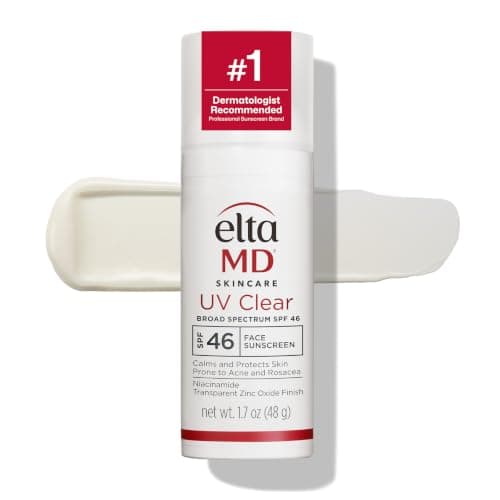
The best sunscreen to wear under makeup
SPFs that sit cleanly under foundation without pilling, plus why pilling happens and how to reapply over a finished face.
Face & Tinted SPF
Powder vs lotion face sunscreen
What each format delivers, why powder cannot be your primary SPF, and how to combine them.
Face & Tinted SPF
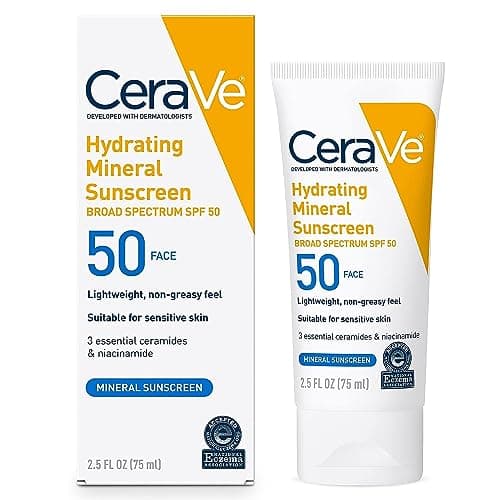
Where sunscreen goes in your routine
The correct order, why pilling happens, and how to reapply over a finished face.
Face & Tinted SPF
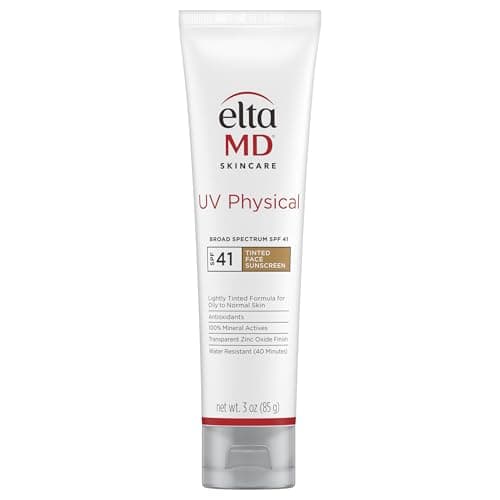
The best tinted sunscreens
Tinted mineral formulas that cancel the cast and add visible-light protection, across every finish.
Sun Safety
How much sunscreen to apply
The measures by body area, and why under-application costs more protection than it seems.
Mineral Sunscreen
How to remove mineral sunscreen
Why mineral sunscreen needs an oil or balm step rather than a rinse, the method by formula type, and how to do it without stripping your barrier.