
Best Sun Shirts
The best sun shirts
UPF 50+ shirts and hoodies chosen on fabric, fit and heat management — protection that never needs reapplying.
Our top pick: Coolibar Morada Everyday Long Sleeve T-Shirt UPF 50+
Category
UPF clothing does the job sunscreen keeps failing at: it stays on. Here is what the ratings mean and what to buy for a family.

Disclosure: Spf & Shore earns commission from qualifying purchases made through links on this page, at no extra cost to you. It does not change which products we recommend. Read the full disclosure.
A UPF 50+ shirt blocks at least 98% of ultraviolet radiation, and it keeps blocking it for the entire day without being reapplied, rubbed off on a towel, or forgotten. That is the case for sun-protective clothing in one sentence, and it is why the smartest change most families can make is not a better sunscreen — it is covering the torso and letting sunscreen handle what is left.
Sunscreen fails for behavioral reasons, not chemical ones. People apply roughly a quarter to a half of the tested amount, and most never reapply at all. A shirt does not have those failure modes.
Best Sun Shirts
UPF 50+ shirts and hoodies chosen on fabric, fit and heat management — protection that never needs reapplying.
Our top pick: Coolibar Morada Everyday Long Sleeve T-Shirt UPF 50+
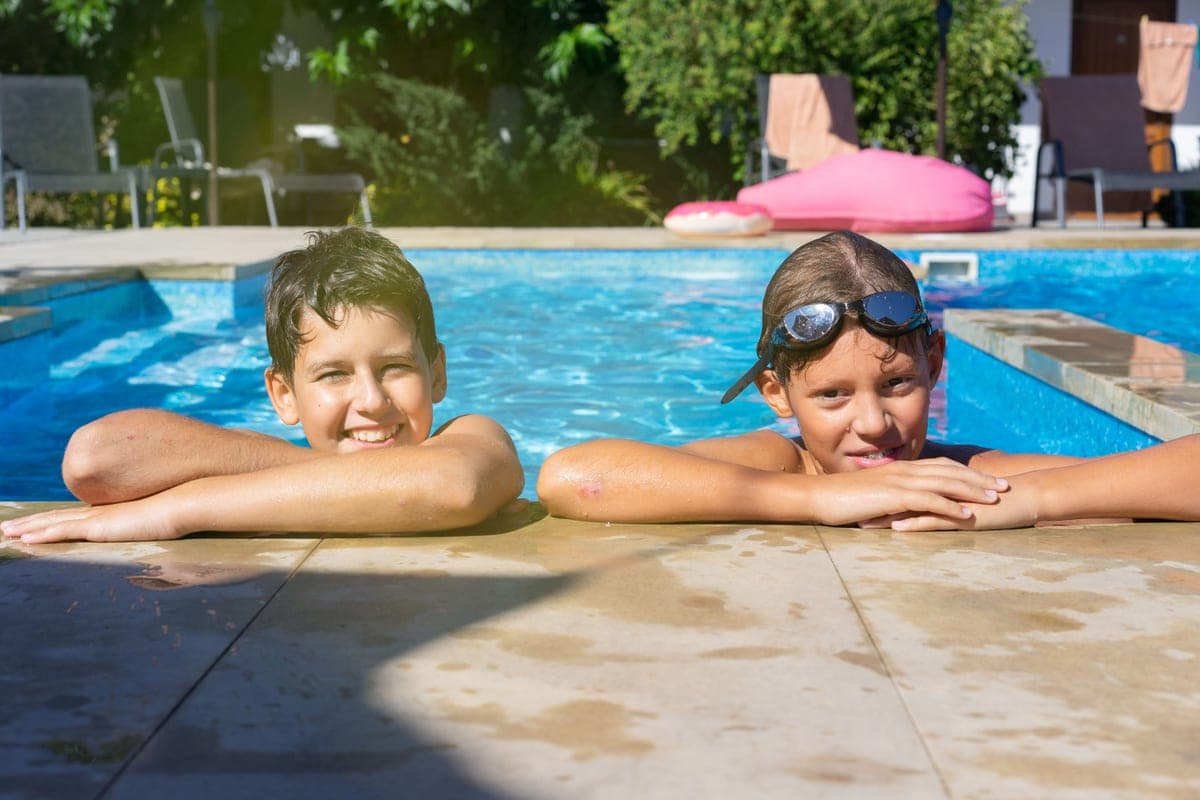
Best Kids Sun Shirts
UPF 50+ swim shirts for children, how to size them, and why they beat any sunscreen upgrade.
Our top pick: Coolibar Kids Hooded Rash Guard UPF 50+
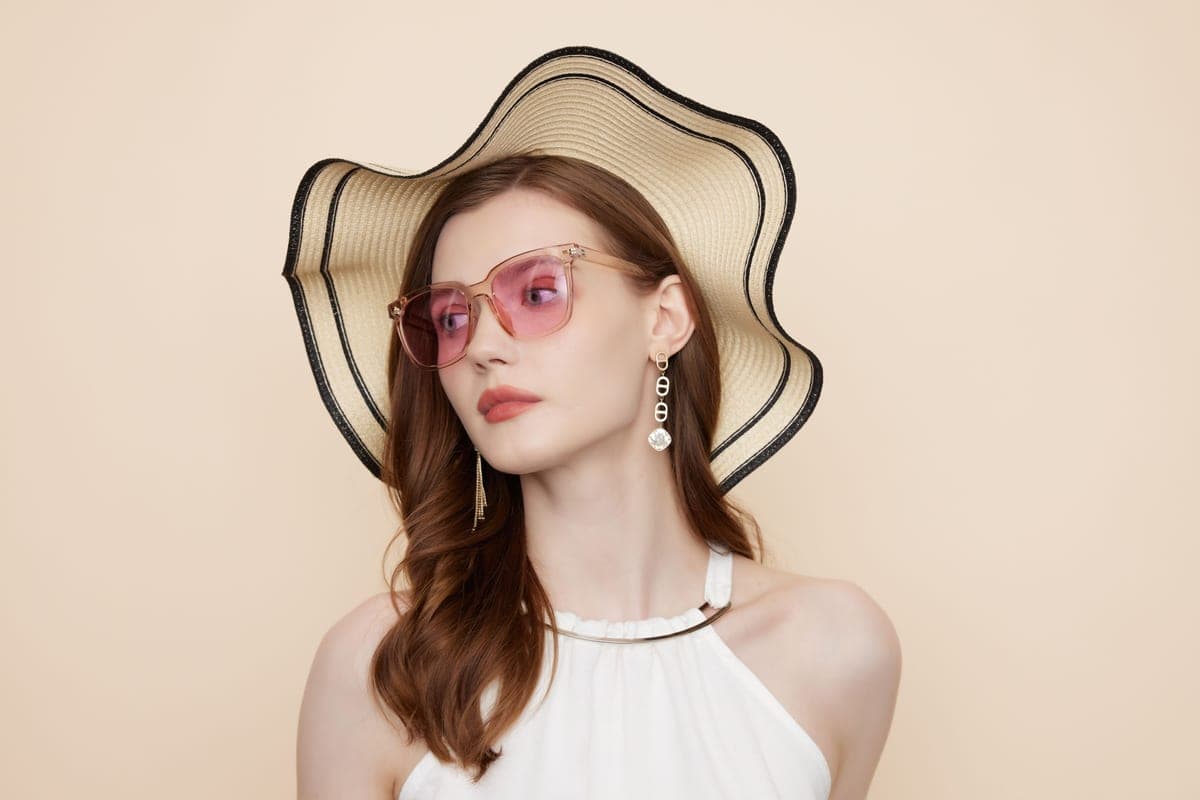
Best Sun Hats
Wide-brim UPF 50+ hats for adults and children, and why a baseball cap is not enough.
Our top pick: Sunday Afternoons Ultra Adventure Hat UPF 50+
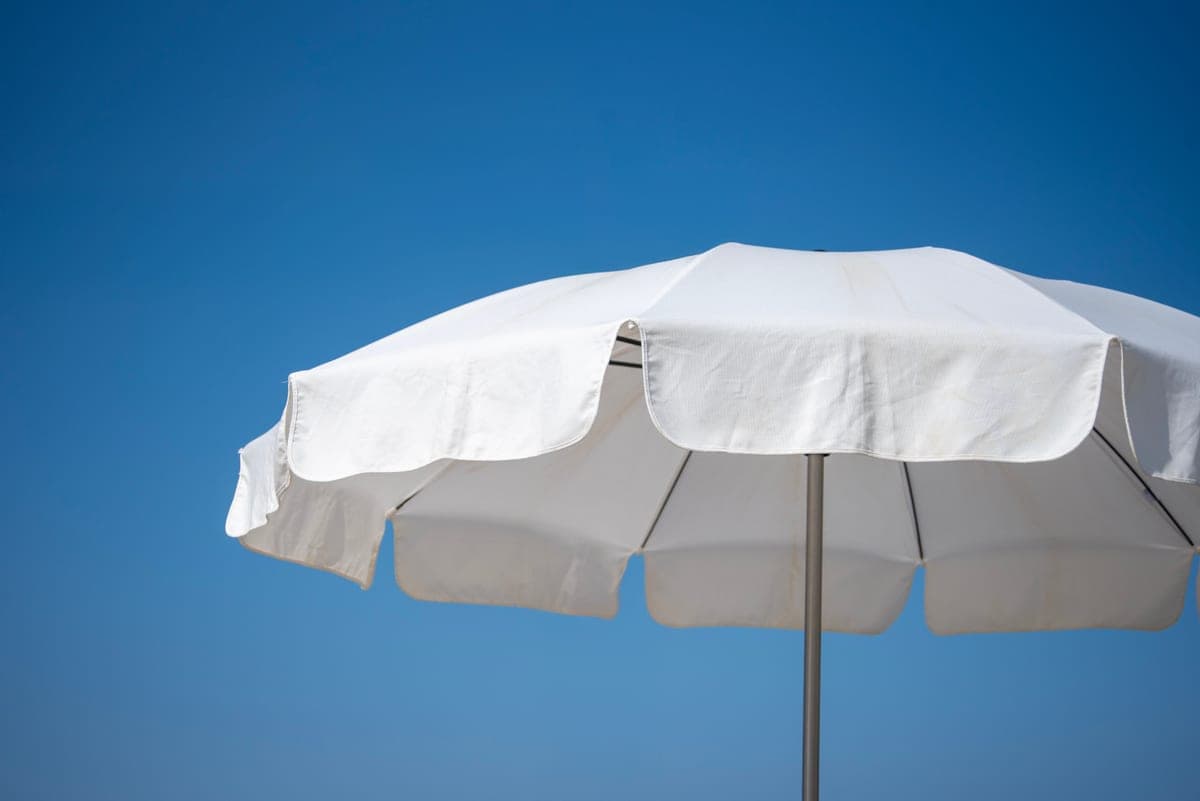
Best Beach Shade
Canopies, clamp umbrellas and wind shades, what each is good at, and why shade beats a better sunscreen.
Our top pick: Neso Grande Beach Tent UPF 50+

Comparison
What each scale measures, why they do not convert, and what UPF 50 is actually worth.
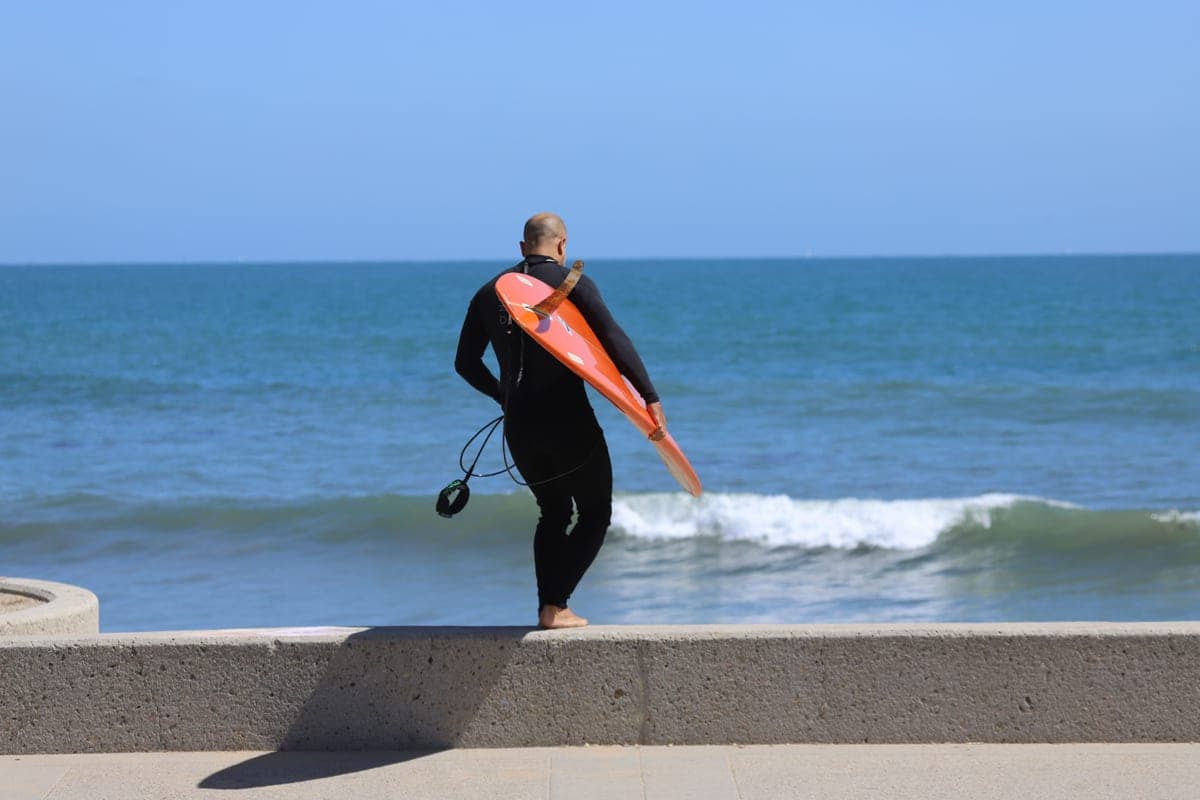
Comparison
How the two cuts differ, which suits water and which suits land, and what to check on either.
Guide
What makes fabric block UV, why good garments do not wash out, and what actually degrades protection.

Guide
Why cotton loses protection when wet, why technical synthetics do not, and what to check on a label.
Guide
Why stretch reduces protection, how to check fit in thirty seconds, and how to size a child's.
UPF rates fabric; SPF rates a product applied to skin, and it is measured against sunburn. UPF measures how much total ultraviolet — UVA and UVB — the fabric transmits. UPF 50 means roughly 1/50th of UV gets through, so about 98% is blocked. Ratings above 50 are reported as UPF 50+, which is the ceiling of the scale rather than a marketing flourish.
| Rating | UV blocked | Classification |
|---|---|---|
| UPF 15–24 | 93.3–95.9% | Good |
| UPF 25–39 | 96.0–97.4% | Very good |
| UPF 40–50+ | 97.5% and above | Excellent |
For comparison, an ordinary white cotton T-shirt sits around UPF 5 to 7 dry — and drops when wet. That gap is the whole reason the category exists. How UPF clothing works explains where the protection comes from, and UPF versus SPF settles the terminology.
Does it still work when wet? Cotton loses a large share of its protection wet, because water fills the gaps between fibers and reduces scattering. Purpose-built UPF synthetics are tested to hold their rating wet, and the good ones state it explicitly. This matters enormously for swim shirts. The full answer.
Tight or loose? Loose, for everything except swimming. A stretched fabric has larger gaps between fibers and transmits more UV, so a shirt pulled taut across shoulders protects less than the same shirt worn relaxed. Rash guards are the exception — they are cut close on purpose to avoid dragging in water. Rash guard fit guide.
Is it hotter? Usually the opposite, which surprises people. A light, loose synthetic shirt shades the skin and moves sweat, and most wearers report being cooler in direct sun than in bare skin. Dark colors do absorb more heat while also blocking more UV, so there is a genuine trade-off in still air.
Does it wash out? In a well-made garment the protection comes from the fiber, the weave density and the color rather than a surface treatment, so it does not wash out. Some cheaper garments use a chemical UV absorber that degrades with laundering. Fabric-based protection is the one to look for. A garment worn to the point of thinness has lost protection either way.
UPF clothing covers what it covers. Faces, hands, feet and the gap at a collar still need sunscreen, and a hat does far less for the lower face than people assume — reflected light off sand, water and concrete comes from below. Gear and sunscreen are complements, not alternatives, and anyone selling a shirt as a total solution is overselling it. Pair the gear here with the application basics.
Yes. A UPF 50+ garment blocks at least 98% of UV for as long as you wear it, with no reapplication. That is a higher real-world protection rate than sunscreen achieves for most people, because most people under-apply and rarely reapply.
Purpose-built UPF synthetics are tested to hold their rating wet. Ordinary cotton loses a substantial share of its already-low protection when wet, which is why a wet cotton T-shirt is a poor swim cover-up.
Clothing uses UPF, not SPF. UPF 50 blocks about 98% of UV and UPF 50+ is the top of the scale. UPF measures total UV through fabric; SPF measures sunburn protection from a product on skin.
Rash guards are cut close so they do not drag in water. For general sun shirts worn on land, looser is better — stretching a fabric opens the gaps between fibers and lets more UV through.