Sun Protective Gear
Rash guard vs swim shirt
Same fabric family, different cuts, different jobs. The store uses the words interchangeably; they should not.
Disclosure: Spf & Shore earns commission from qualifying purchases made through links on this page, at no extra cost to you. It does not change which products we recommend. Read the full disclosure.
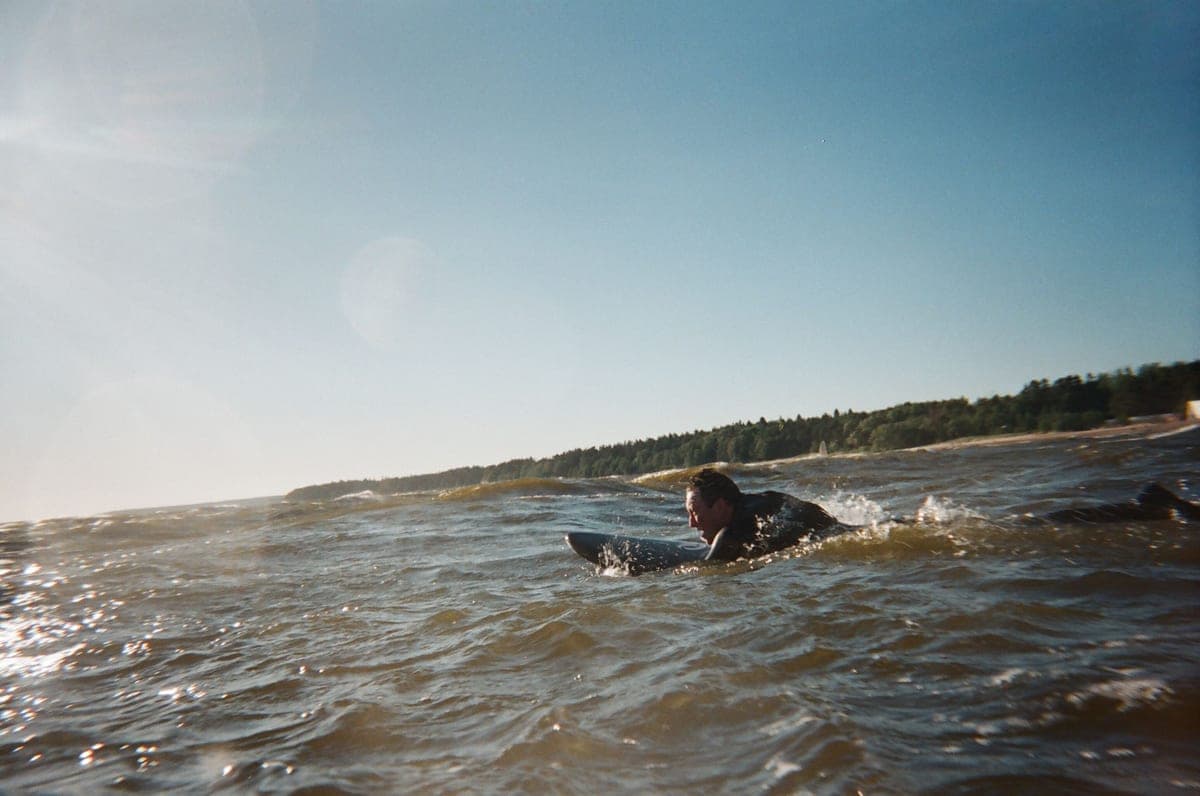
A rash guard is cut close to the body so it does not drag in water — it was designed for surfers, to prevent board rash. A swim shirt is a looser version of the same idea, more comfortable on land and cooler in still air. Both can be UPF 50+, and the UPF rating matters far more than which word is on the label. Buy a rash guard if you will be swimming or surfing, a swim shirt if you will mostly be on the sand.
| Rash guard | Swim shirt | |
|---|---|---|
| Cut | Close-fitting, second-skin | Looser, T-shirt-like |
| Designed for | Surfing and swimming | General sun cover and wading |
| In the water | Excellent — no drag | Billows and drags |
| On land in heat | Warmer, clingier | Cooler, more airflow |
| UPF when wet | Holds, in purpose-built fabric | Holds, in purpose-built fabric |
| Getting it off when wet | Difficult without a zip | Easy |
| Typical fabric | Nylon or polyester with elastane | Polyester, sometimes with a looser knit |
Where the names come from
A rash guard was originally exactly what it sounds like: a shirt worn under or instead of a wetsuit to stop a surfboard rubbing the chest and stomach raw. Sun protection was a side effect that became the main selling point. The close fit is a surfing requirement, not a style choice.
A swim shirt is the same fabric idea in an ordinary shirt cut, sold to people who want sun cover at a pool or on a beach rather than performance in surf. Retailers use the two terms interchangeably, which is why the distinction is worth knowing before you order online.
Which to buy
Buy a rash guard if
- You will be swimming, surfing, bodyboarding or snorkeling, where drag is a real problem.
- It is for a child who will be in and out of water all day — a loose shirt fills with water and pulls.
- You want something that stays put rather than riding up and exposing the lower back.
Buy a swim shirt if
- You will mostly be on the sand or by the pool rather than in the water.
- You want something cooler in still air — looser fabric moves more air.
- You will wear it over swimwear as a cover-up and want it to look like a normal shirt.
- The close fit of a rash guard is uncomfortable, which for many people it simply is.
What matters more than either
The UPF rating. A close-fitting rash guard in a thin, unrated fabric protects less than a loose swim shirt rated UPF 50+. Look for a stated rating, and ideally the words rated wet or dry — purpose-built UPF synthetics hold their rating when wet, and ordinary cotton loses a large share of its already-low protection. Does UPF clothing work wet.
After that: sleeve length, because short sleeves leave the forearms — a high-exposure area — uncovered; and whether there is a hood, which covers the back of the neck.
Fit, for both
Close-fitting, not tight. Stretching a fabric opens the gaps between fibers and lets more UV through, so a rash guard straining across the chest protects less than one that fits properly. The test: a flat hand should slide between the fabric and the chest, and the hem should stay put when both arms go up. Rash guard fit guide.
For loose swim shirts the opposite risk applies — too loose and it rides up in water or flaps enough to expose skin repeatedly.
Care, which is the same for both
- Rinse in fresh water after salt or chlorine, every time.
- Wash cool and line dry. Hot tumble drying degrades elastane faster than anything else you will do to it.
- Skip fabric softener, which coats fibers and reduces the fabric's ability to move moisture.
- Replace when it goes thin or slack. Fabric-based UPF does not wash out, but a worn-out garment has lost protection regardless.
Sources
- Sun-Protective Clothing — Skin Cancer Foundation
- How to prevent skin cancer — American Academy of Dermatology
- How Do I Protect Myself from UV Rays? — American Cancer Society
- Best Sun Protection Shirts for Men (tested) — OutdoorGearLab
Frequently asked questions
What is the difference between a rash guard and a swim shirt?
A rash guard is cut close to the body so it does not drag in water, and was designed to prevent board rash for surfers. A swim shirt is a looser version of the same fabric idea, cooler on land and more comfortable as a cover-up.
Do rash guards protect from the sun?
A UPF 50+ rash guard blocks at least 98% of UV across the area it covers. An unrated one in thin fabric protects much less, so look for a stated UPF rating rather than assuming the cut implies protection.
Should a swim shirt be tight or loose?
Close-fitting but not tight if you are actually swimming, because loose fabric drags and rides up. On land, looser is cooler and protects slightly better, because stretching a fabric opens the gaps between fibers.
Can you wear a rash guard as a normal shirt?
You can, though the close cut is warmer and clingier on land than a looser swim shirt. If most of your day is dry, a swim shirt or a loose sun hoodie is the more comfortable choice.
Read next
Sun Protective Gear
Should a rash guard be tight or loose?
Why stretch reduces protection, how to check fit in thirty seconds, and how to size a child's.

Sun Protective Gear
The best kids rash guards and sun shirts
UPF 50+ swim shirts for children, how to size them, and why they beat any sunscreen upgrade.

Sun Protective Gear
Does UPF clothing work when wet?
Why cotton loses protection when wet, why technical synthetics do not, and what to check on a label.

Sun Protective Gear
The best sun shirts
UPF 50+ shirts and hoodies chosen on fabric, fit and heat management — protection that never needs reapplying.

Sun Protective Gear
UPF vs SPF
What each scale measures, why they do not convert, and what UPF 50 is actually worth.

Sun Protective Gear
How UPF clothing works
What makes fabric block UV, why good garments do not wash out, and what actually degrades protection.