Sun Protective Gear
The best sun shirts
Protection that stays on all day, never washes off, and cannot be forgotten at the two-hour mark.
Disclosure: Spf & Shore earns commission from qualifying purchases made through links on this page, at no extra cost to you. It does not change which products we recommend. Read the full disclosure.
Our overall pick is the [Coolibar Morada Everyday Long Sleeve](#coolibarMorada) — UPF 50+ rated wet or dry, cut for daily wear rather than for a summit attempt, from a brand that builds nothing else. It is the shirt most people will actually put on in the morning, which is what matters.
The case for the whole category in one line: a UPF 50+ garment blocks at least 98% of ultraviolet for as long as you wear it, with no reapplication, no rubbing off on a towel, and no two-hour alarm. In real-world use that beats what sunscreen achieves for most people, because most people apply between a quarter and a half of the tested amount and rarely reapply.
Quick picks
Tap any row to read the full write-up below.
| # | Product | Best for | Price |
|---|---|---|---|
| 1 | 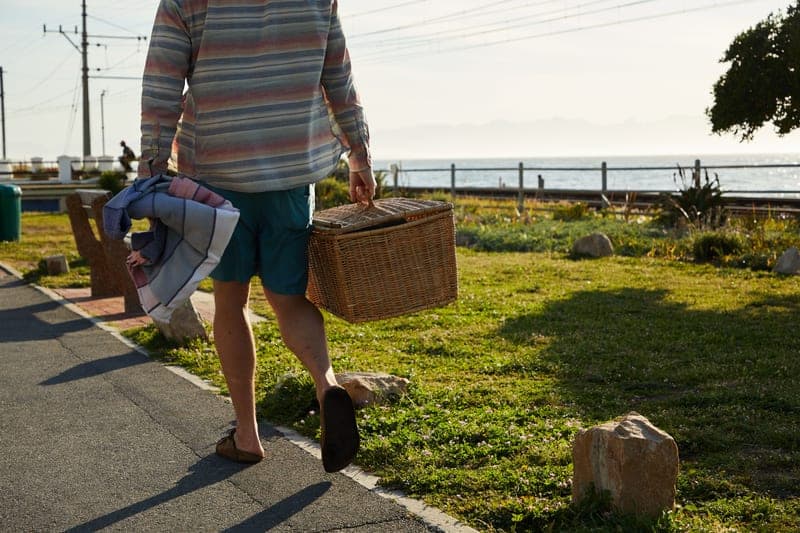 Coolibar Morada Everyday Long Sleeve T-Shirt UPF 50+Best overall · UPF 50+ | Everyday wear rather than technical use | |
| 2 |  Baleaf UPF 50+ Sun Protection HoodieBest value · UPF 50+ | Buying several without thinking about it | |
| 3 |  Mountain Hardwear Crater Lake Hoody UPF 50Best for active use · UPF 50 | Hiking, climbing and long days moving in the sun | |
| 4 |  Columbia PFG Terminal Tackle Hoodie UPF 50Best for the water · UPF 50 | Fishing, paddling and boat days | |
| 5 |  Coolibar Kids Hooded Rash Guard UPF 50+Best for children · UPF 50+ | The child in the family, who needs this most |
How we chose these
UPF 50 or 50+ as the floor, since anything less is a compromise you do not need to make at these prices. Then fabric behavior — whether the rating holds wet, how fast it dries, and whether it manages heat or traps it. Then fit and cut, because a shirt that binds across the shoulders does not get worn. Then the practical details that matter outdoors: hoods, thumbholes and collar height.
Where independent testers have run field or laboratory work — OutdoorGearLab and Treeline Review both test sun shirts at length — we cite them by name. We do not run wear tests ourselves and there are no scores on this page for that reason. Our methodology.
Our picks in detail
01 · Best overall
Coolibar Morada Everyday Long Sleeve T-Shirt UPF 50+
Coolibar
UPF 50+ rated wet or dry, cut like an ordinary long-sleeve T-shirt rather than technical apparel — which is exactly why it gets worn on days that are not expeditions.
- Actives:
- UPF 50+ knit — the protection is the fabric, not a coating
- SPF:
- UPF 50+
- Water resistance:
- Rated wet or dry
- Reef status:
- Not applicable
- Best for:
- Everyday wear rather than technical use
What works
- Rated wet or dry, so it works for swimming too
- Looks like normal clothing
- Protection built into the fabric rather than a coating
The trade-off
- No hood on the basic style
- Costs more than a generic sun shirt
02 · Best value
Baleaf UPF 50+ Sun Protection Hoodie
Baleaf
A UPF 50+ hooded sun shirt at a price that makes outfitting a whole family realistic. The compromise is odor management rather than protection, and for most days out that is the right trade.
- Actives:
- Polyester-spandex knit rated UPF 50+
- SPF:
- UPF 50+
- Water resistance:
- Quick-dry; rated dry
- Reef status:
- Not applicable
- Best for:
- Buying several without thinking about it
What works
- Hood and thumbholes at a low price
- Certified UPF 50+
- Quick-drying polyester-spandex knit
The trade-off
- Holds odor more than treated premium fabrics
- Fit runs closer than some will want
03 · Best for active use
Mountain Hardwear Crater Lake Hoody UPF 50
Mountain Hardwear
A UPF 50 hoody built for sustained activity, with a hood and thumbholes and a fabric that handles sweat rather than sitting in it — the one to buy if the shirt is doing real work.
- Actives:
- UPF 50 knit with a hood and thumbholes
- SPF:
- UPF 50
- Water resistance:
- Quick-dry
- Reef status:
- Not applicable
- Best for:
- Hiking, climbing and long days moving in the sun
What works
- Hood and thumbholes for full coverage
- Handles sustained sweat well
- Durable enough for pack straps
The trade-off
- Technical look
- Premium pricing
04 · Best for the water
Columbia PFG Terminal Tackle Hoodie UPF 50
Columbia
A UPF 50 hooded shirt designed around long hours on open water, where glare comes off the surface as well as from above and the hood earns its place.
- Actives:
- UPF 50 knit with a cooling finish
- SPF:
- UPF 50
- Water resistance:
- Quick-dry
- Reef status:
- Not applicable
- Best for:
- Fishing, paddling and boat days
What works
- Hood suits open-water glare
- Quick-drying with a cooling finish
- Widely available
The trade-off
- Cut is generous, which some find baggy
- Rated dry rather than explicitly wet
05 · Best for children
Coolibar Kids Hooded Rash Guard UPF 50+
Coolibar
A UPF 50+ hooded rash guard rated wet or dry — the single highest-return purchase in a family sun-protection routine, because it removes the torso from the reapplication problem entirely.
- Actives:
- UPF 50+ swim knit
- SPF:
- UPF 50+
- Water resistance:
- Rated wet or dry
- Reef status:
- Not applicable
- Best for:
- The child in the family, who needs this most
What works
- Rated wet or dry
- Hood covers the back of the neck
- Cuts reapplication down to face, hands and feet
The trade-off
- Outgrown each season
- Does not cover legs
What UPF actually means
| Rating | UV blocked | Classification |
|---|---|---|
| UPF 15–24 | 93.3–95.9% | Good |
| UPF 25–39 | 96.0–97.4% | Very good |
| UPF 40–50+ | 97.5% and above | Excellent |
UPF rates fabric and accounts for both UVA and UVB; SPF rates a product on skin and is measured against sunburn. UPF 50+ is the top of the scale rather than a marketing flourish — ratings above 50 are all reported the same way. For comparison, an ordinary white cotton T-shirt sits around UPF 5 to 7 dry, and drops further wet. UPF versus SPF.
The features that matter, and the ones that do not
Worth having
- A hood. Covers the back of the neck and the ears, two of the most commonly burned areas, and it costs nothing in weight.
- Thumbholes. They sound fussy until you have used them on open water — they hold the sleeve over the back of the hand, which otherwise burns.
- A raised collar. Protects the throat and the back of the neck when the hood is down.
- A light color. Darker fabrics block more UV but absorb more heat. Light colors in a purpose-built UPF weave already clear 98%, so there is no protection reason to bake.
Mostly marketing
- "Cooling" claims. Most are about moisture movement rather than any actual cooling effect. Fit and fabric weight matter more.
- Antimicrobial treatments. They delay odor rather than prevent it, and they wash out over time.
- Chemical UV absorbers. Protection built into the fiber and weave is what lasts; a surface treatment degrades with laundering.
Fit: loose, not tight
Stretching a fabric opens the gaps between fibers and lets more UV through, so a shirt pulled taut across the shoulders protects less than the same shirt worn relaxed. Loose also traps a layer of moving air, which is why a loose sun shirt is usually cooler in direct sun than bare skin.
The exception is swimwear: rash guards are cut close deliberately so they do not drag in water. Rash guard fit guide and rash guard versus swim shirt.
What a shirt does not cover
Face, hands, feet, and the gap at the collar. Reflected light off sand, water and concrete comes from below, which a shirt and even a hat do relatively little about. Gear and sunscreen are complements, not alternatives — anyone selling a shirt as a total solution is overselling it. Pair it with a face SPF and a hat.
Sources
- Sun-Protective Clothing — Skin Cancer Foundation
- How to prevent skin cancer — American Academy of Dermatology
- How Do I Protect Myself from UV Rays? — American Cancer Society
- Best Sun Protection Shirts for Men (tested) — OutdoorGearLab
- Best Sun Shirts (field-tested) — Treeline Review
Frequently asked questions
Do sun shirts really work?
Yes. A UPF 50+ garment blocks at least 98% of UV for as long as you wear it, with no reapplication. That is a higher real-world protection rate than sunscreen achieves for most people, because most people under-apply and rarely reapply.
What UPF rating should a sun shirt be?
UPF 50 or 50+, which blocks 98% or more of UV. UPF 50+ is the top of the scale — ratings above 50 are all reported the same way. Anything below UPF 40 is a compromise you do not need to make.
Are sun shirts hotter than no shirt?
Usually the opposite. A light, loose synthetic shirt shades the skin and moves sweat, and most wearers report being cooler in direct sun than with bare skin. Dark colors absorb more heat while also blocking more UV, so there is a real trade-off in still air.
Does UPF wash out of clothing?
Not in a well-made garment, where the protection comes from the fiber, weave density and color. Some cheaper garments use a chemical UV absorber that degrades with laundering. A garment worn to the point of thinness has lost protection either way.
Should a sun shirt be tight or loose?
Loose, for everything except swimming. Stretching a fabric opens the gaps between fibers and lets more UV through. Rash guards are the exception because they are cut close so they do not drag in water.
Read next
Sun Protective Gear
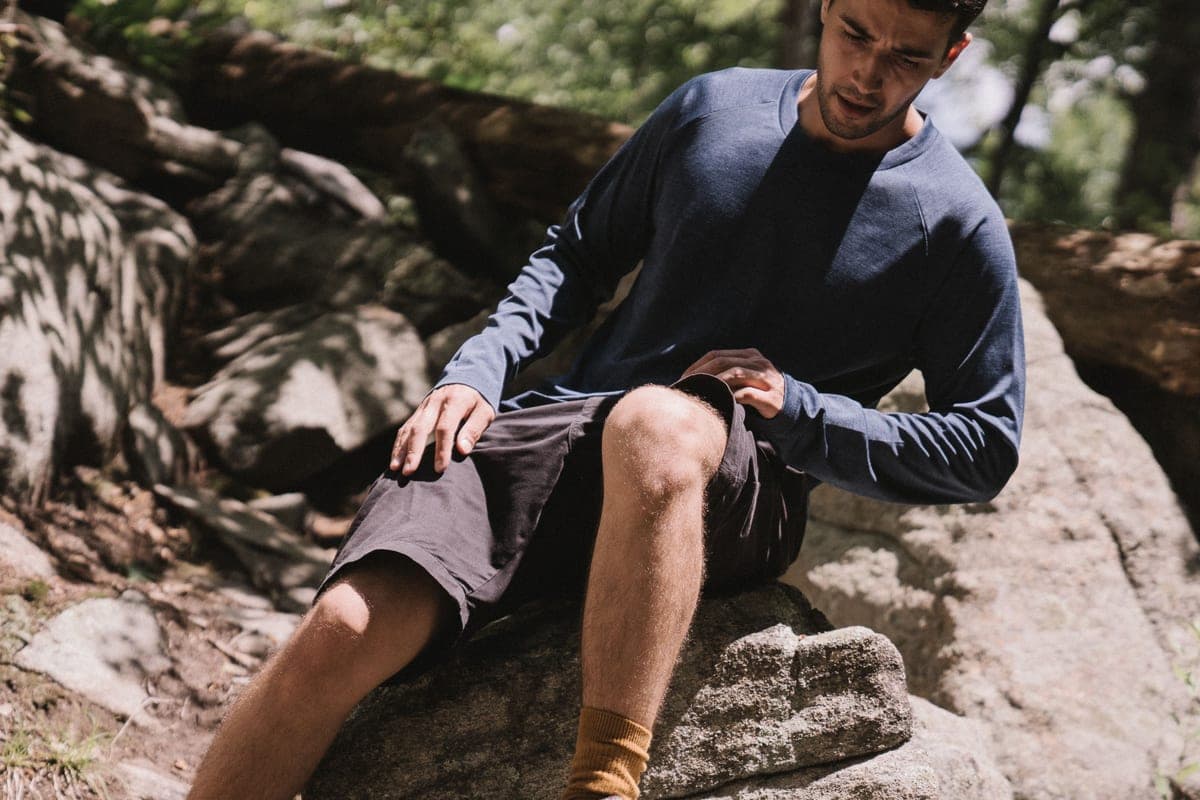
How UPF clothing works
What makes fabric block UV, why good garments do not wash out, and what actually degrades protection.

Sun Protective Gear
Does UPF clothing work when wet?
Why cotton loses protection when wet, why technical synthetics do not, and what to check on a label.
Sun Protective Gear
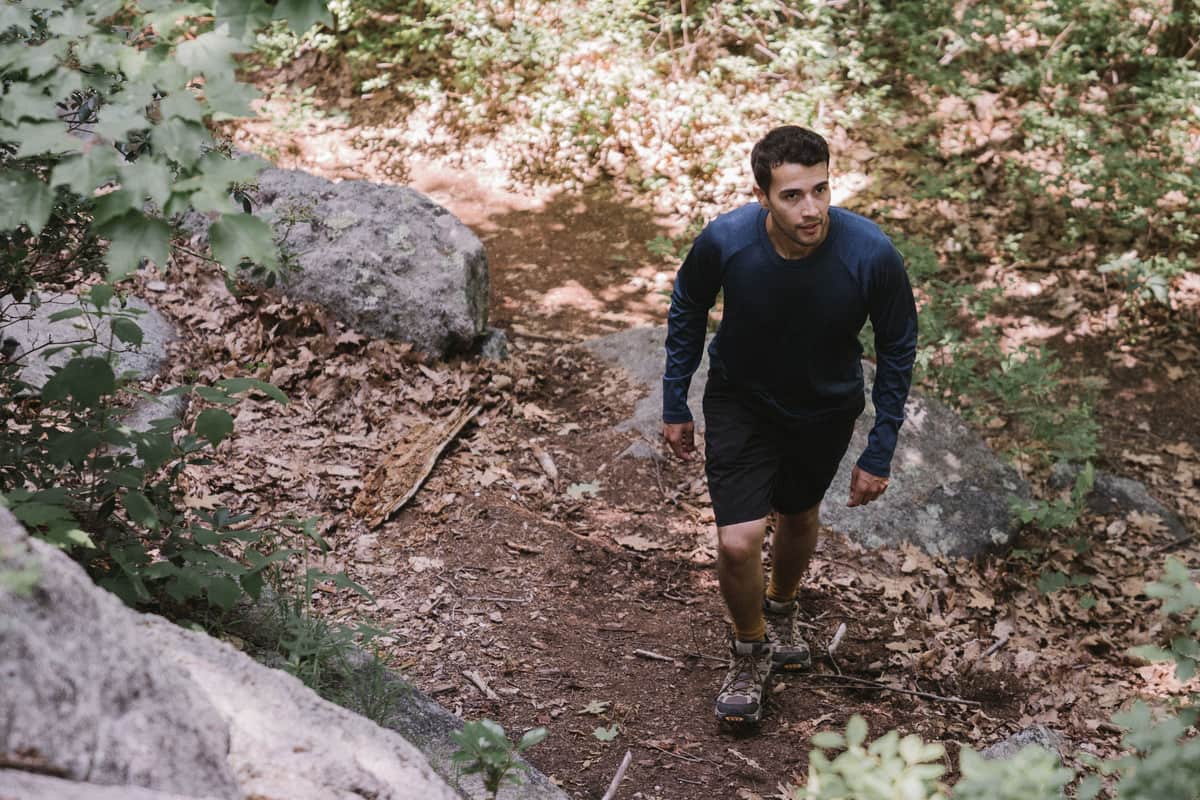
UPF vs SPF
What each scale measures, why they do not convert, and what UPF 50 is actually worth.
Sun Protective Gear
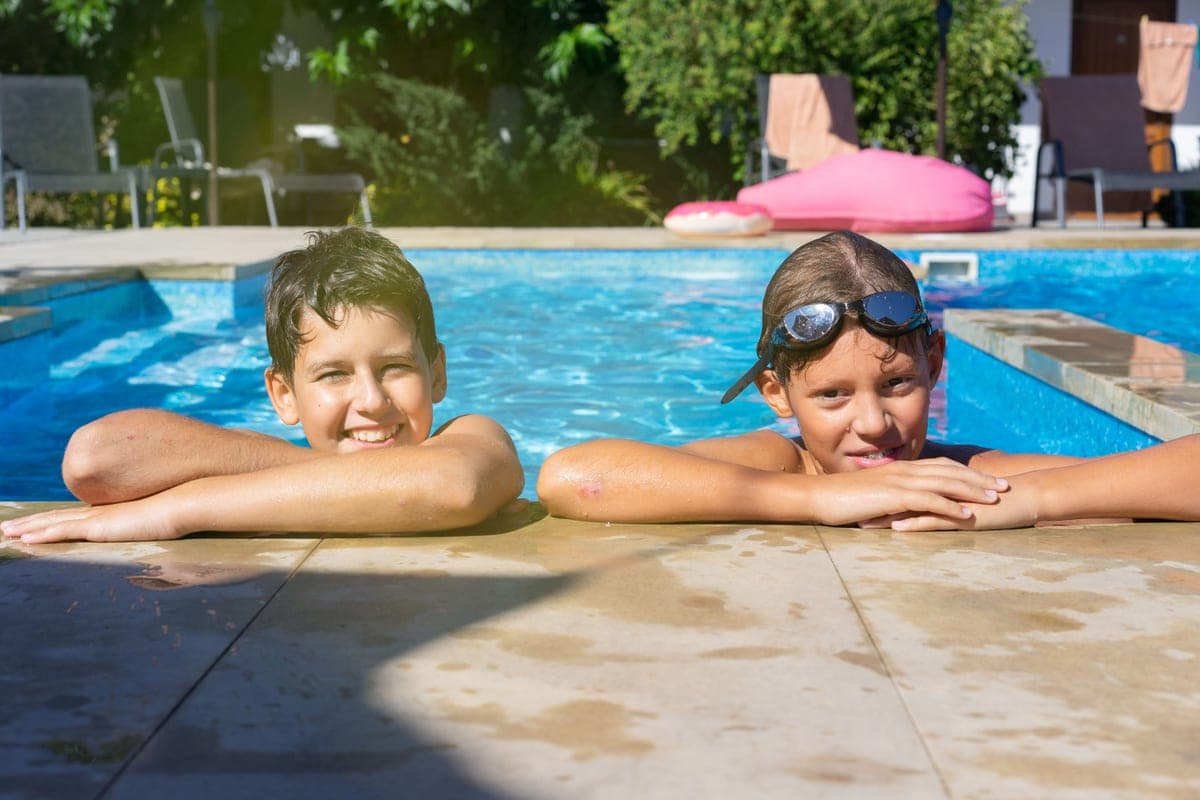
The best kids rash guards and sun shirts
UPF 50+ swim shirts for children, how to size them, and why they beat any sunscreen upgrade.
Sun Protective Gear
The best sun hats
Wide-brim UPF 50+ hats for adults and children, and why a baseball cap is not enough.
Sun Protective Gear
Should a rash guard be tight or loose?
Why stretch reduces protection, how to check fit in thirty seconds, and how to size a child's.