Sun Protective Gear
The best UPF sun sleeves and gloves
The hands get washed a dozen times a day and the forearms never get reapplied. Fabric does not have either problem.
Disclosure: Spf & Shore earns commission from qualifying purchases made through links on this page, at no extra cost to you. It does not change which products we recommend. Read the full disclosure.
Our overall pick is the Coolibar Sun Arm Sleeves UPF 50+ — a purpose-built UPF 50+ knit from a brand that makes nothing but sun protection, and the pair most likely to still be rated UPF 50+ after a season of washing. If you want the cheap version of the same idea, the GOUNOD sleeves do most of the job for a fraction of it.
This category exists because of a behavioral gap, not a chemical one. A UPF 50+ shirt solves the torso. A wide-brim hat solves the scalp, ears and much of the face. What neither reaches is the forearms below a short sleeve and the backs of the hands — and those are the two areas where sunscreen has the shortest real-world life of anywhere on the body, because hands get washed, wiped, dunked and dried over and over through a day outdoors.
A sleeve or a glove does not have that failure mode. It does not wash off at the sink, it does not need an alarm at the two-hour mark, and nobody applies a quarter of the correct dose of a glove.
Quick picks
Tap any row to read the full write-up below.
| # | Product | Best for | Price |
|---|---|---|---|
| 1 | 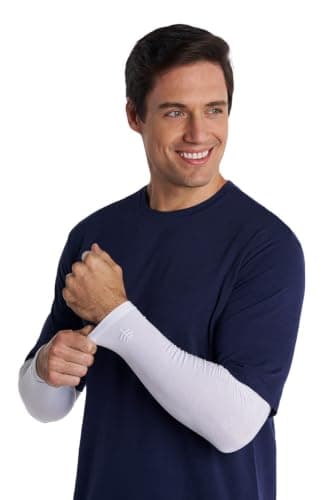 Coolibar Sun Arm Sleeves UPF 50+Best overall · UPF 50+ | Daily wear for gardening, driving, golf and walking | $32.00 · View on Amazon #ad We earn from qualifying purchases · Price as of November 2, 2026 |
| 2 | 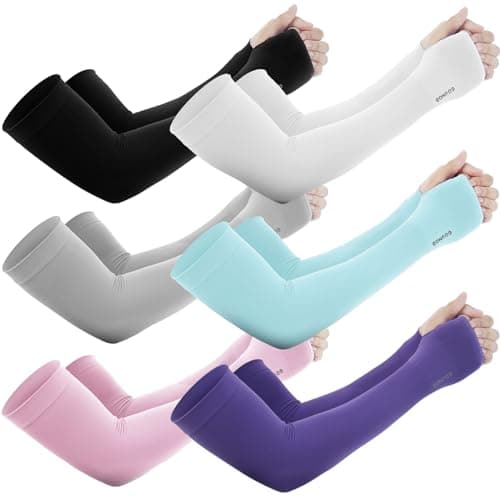 GOUNOD Sun Protection Cooling Arm Sleeves UPF 50+Best value · UPF 50+ | Buying two or three pairs without thinking about it | $14.99 · View on Amazon #ad We earn from qualifying purchases · Price as of November 2, 2026 |
| 3 | 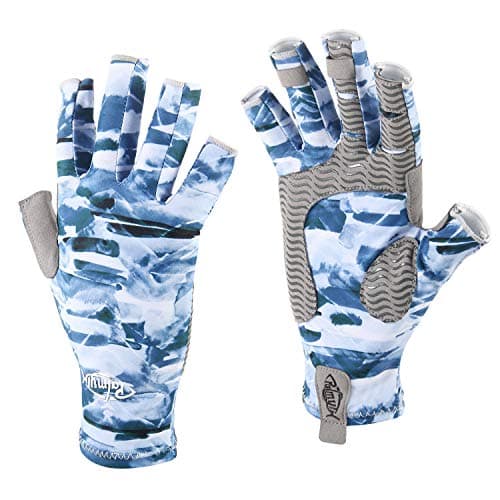 Palmyth UV Protection Fingerless Fishing Gloves UPF 50+Best for paddling and fishing · UPF 50+ | Kayaking, paddleboarding and fishing where fingertips need to be bare | $19.98 · View on Amazon #ad We earn from qualifying purchases · Price as of November 2, 2026 |
| 4 | 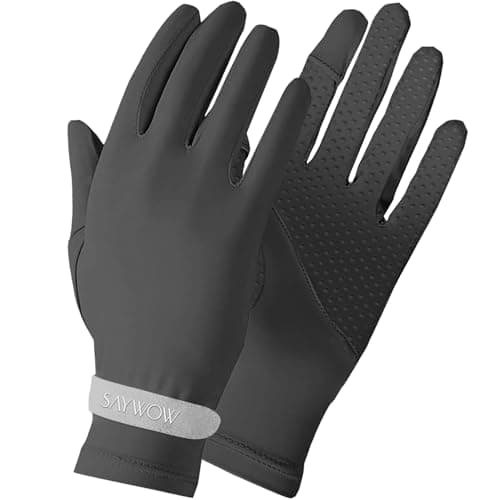 SayWow UV Sun Protection Driving Gloves UPF 50+Best for driving · UPF 50+ | Commuters, delivery drivers and anyone whose left arm sees the sun daily | $9.99 · View on Amazon #ad We earn from qualifying purchases · Price as of November 2, 2026 |
| 5 | 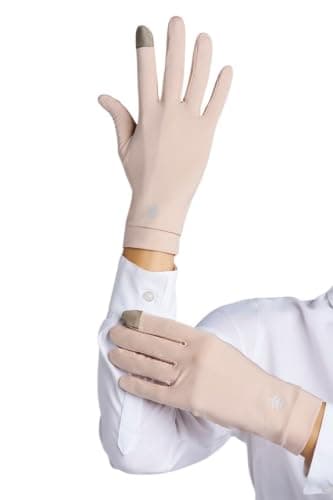 Coolibar Full Finger UV Sun Gloves UPF 50+Best full coverage · UPF 50+ | Long days with hands out front — hiking poles, golf, gardening | $31.20 · View on Amazon #ad We earn from qualifying purchases · Price as of November 2, 2026 |
| 6 | 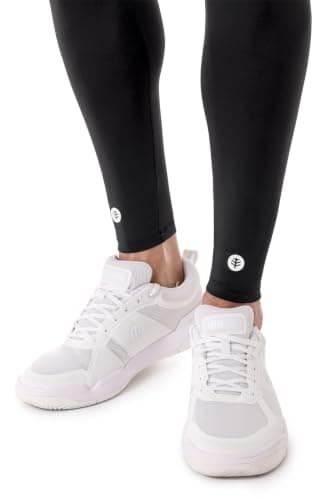 Coolibar Performance Leg Sleeves UPF 50+Best for legs · UPF 50+ | Cycling, running and anyone who lives in shorts | $34.00 · View on Amazon #ad We earn from qualifying purchases · Price as of November 2, 2026 |
How we chose these
UPF 50 or 50+ as the floor, because at these prices there is no reason to accept less. Then the question that separates good garments from cheap ones: where the protection comes from. In a well-made UPF garment it comes from the fiber, the weave density and the color, so it survives laundering; in a cheap one it can come from a chemical UV absorber applied to the surface, which degrades in the wash. How UPF clothing works goes through the difference.
After that, coverage geometry, which is where this category is won and lost. A sleeve that stops at the wrist leaves the back of the hand exposed. A fingerless glove leaves the fingers and the knuckle line exposed. Both are legitimate products; neither is complete, and a page that does not say so is not being straight with you. So every pick below is described by exactly what it covers and what it leaves out.
- UPF 50 or 50+, stated by the maker.
- Fabric-based protection, not a surface treatment, wherever the brand publishes which it is.
- Honest coverage mapping — we name the gap on every pick.
- Heat behavior. A sleeve that is unbearable at noon is a sleeve you take off, which is zero protection.
- Currently sold in the US, confirmed on the retailer listing before it went on this page. We do not run wear tests and there are no scores here for that reason. Our methodology.
Our picks in detail
01 · Best overall
Coolibar Sun Arm Sleeves UPF 50+
Coolibar
A purpose-built UPF 50+ knit from a brand that makes nothing but sun protection, in a thin sleeve that stays up without being a compression garment. The one to buy if you want this to still be UPF 50+ next summer.
- Actives:
- UPF 50+ knit sleeve — the protection is the fabric, not a coating
- SPF:
- UPF 50+
- Water resistance:
- Quick-dry
- Reef status:
- Not applicable
- Best for:
- Daily wear for gardening, driving, golf and walking
What works
- Fabric-based UPF 50+ rather than a surface treatment
- Thin and light enough to wear in real heat
- From a specialist that publishes its ratings per garment
The trade-off
- Several times the price of a generic pair
- Stops at the wrist, so the back of the hand is still exposed
- Sold by gender and colorway, so the exact listing you land on varies
#ad We earn from qualifying purchases · Price as of November 2, 2026
02 · Best value
GOUNOD Sun Protection Cooling Arm Sleeves UPF 50+
GOUNOD
UPF 50+ sleeves with thumb holes at a price that lets you keep a pair in the car, a pair in the garden bag and a pair in the wash. The thumb hole is the detail that matters, because it holds the sleeve over the back of the hand.
- Actives:
- UPF 50+ knit sleeve with thumb holes
- SPF:
- UPF 50+
- Water resistance:
- Quick-dry
- Reef status:
- Not applicable
- Best for:
- Buying two or three pairs without thinking about it
What works
- Thumb holes cover the back of the hand, which most sleeves do not
- Cheap enough to own several pairs
- Cooling knit that handles sweat
The trade-off
- The brand does not publish whether protection is fiber-based or a finish, so longevity through washing is unknown
- Cut runs close, and a stretched knit transmits more UV than a relaxed one
- Generic sizing — fit is the most common complaint in this part of the market
#ad We earn from qualifying purchases · Price as of November 2, 2026
03 · Best for paddling and fishing
Palmyth UV Protection Fingerless Fishing Gloves UPF 50+
Palmyth
UPF 50+ fingerless gloves with a grip palm, built for exactly the use case where a full-finger glove gets taken off and never goes back on. Open fingertips are a deliberate trade, not an oversight.
- Actives:
- UPF 50+ stretch knit with a grip palm; fingertips left open
- SPF:
- UPF 50+
- Water resistance:
- Quick-dry
- Reef status:
- Not applicable
- Best for:
- Kayaking, paddleboarding and fishing where fingertips need to be bare
What works
- Covers the back of the hand and wrist, the highest-exposure part
- Grip palm works wet, which matters on a paddle shaft
- Quick-drying, so it is not soggy for the rest of the day
The trade-off
- Fingertips and the upper knuckles are left exposed and still need sunscreen
- Fishing-specific styling that not everyone wants on a hike
- Sold in several near-identical variants, so you have to read the cut before ordering
#ad We earn from qualifying purchases · Price as of November 2, 2026
04 · Best for driving
SayWow UV Sun Protection Driving Gloves UPF 50+
SayWow
Thin full-finger UPF 50+ gloves with touchscreen-compatible fingertips, which is the whole reason they work: a driving glove you have to peel off to answer a call is a glove you stop wearing.
- Actives:
- UPF 50+ thin knit, full-finger, with touchscreen-compatible fingertips
- SPF:
- UPF 50+
- Water resistance:
- Not applicable
- Reef status:
- Not applicable
- Best for:
- Commuters, delivery drivers and anyone whose left arm sees the sun daily
What works
- Full-finger coverage including the knuckles and fingertips
- Touchscreen-compatible, so they stay on
- Thin enough to keep steering-wheel feel, and cheap enough to lose
The trade-off
- Thin knit offers no abrasion protection, so they wear out
- Short cuff leaves a gap at the wrist unless paired with a sleeve
- Sized for smaller hands; men should check the size chart before buying
#ad We earn from qualifying purchases · Price as of November 2, 2026
05 · Best full coverage
Coolibar Full Finger UV Sun Gloves UPF 50+
Coolibar
A full-finger UPF 50+ glove from the specialist, covering the whole hand including the fingertips. The most complete answer here, at the price you would expect for that.
- Actives:
- UPF 50+ knit covering the whole hand including the fingertips
- SPF:
- UPF 50+
- Water resistance:
- Quick-dry
- Reef status:
- Not applicable
- Best for:
- Long days with hands out front — hiking poles, golf, gardening
What works
- Covers the entire hand, including the fingertips most gloves leave out
- Purpose-built UPF 50+ fabric
- Longer cuff closes much of the wrist gap
The trade-off
- The most expensive option on this page by a wide margin
- Full coverage means warmer hands in high heat
- Not marketed as touchscreen-compatible, which is a real nuisance in a car
#ad We earn from qualifying purchases · Price as of November 2, 2026
06 · Best for legs
Coolibar Performance Leg Sleeves UPF 50+
Coolibar
The same idea applied to the calf and shin — the area that burns on every cyclist and runner who never reapplies below the knee. A niche buy, and the right one if that is you.
- Actives:
- UPF 50+ knit sleeve cut for the calf and shin
- SPF:
- UPF 50+
- Water resistance:
- Quick-dry
- Reef status:
- Not applicable
- Best for:
- Cycling, running and anyone who lives in shorts
What works
- Covers the calf and shin without committing to tights
- Purpose-built UPF 50+ knit
- Goes on and off without changing clothes
The trade-off
- Leaves the thigh, knee and foot exposed
- Performance fit, so the stretch caveat above applies
- Premium price for a narrow use case
#ad We earn from qualifying purchases · Price as of November 2, 2026
What UPF actually means
| Rating | UV blocked | Classification |
|---|---|---|
| UPF 15–24 | 93.3–95.9% | Good |
| UPF 25–39 | 96.0–97.4% | Very good |
| UPF 40–50+ | 97.5% and above | Excellent |
UPF rates fabric and accounts for both UVA and UVB. SPF rates a product on skin and is measured against sunburn, so the two numbers are not interchangeable even though they look like they should be. UPF 50+ is the ceiling of the scale rather than a marketing flourish. For comparison, an ordinary white cotton T-shirt sits around UPF 5 to 7 dry and drops further when wet — which is why a long-sleeve cotton shirt is a far weaker answer here than it feels like. UPF versus SPF has the full comparison.
The fit mistake that costs you protection
This is the one thing on this page most buyers get wrong, and it is specific to sleeves. Stretching a fabric opens the gaps between the fibers and lets more UV through. A knit pulled taut transmits more than the same knit worn relaxed. That is the same physics behind our advice that a sun shirt should be worn loose, and it lands awkwardly in a category where half the products are sold as compression sleeves.
The practical reading: buy a sleeve that fits snugly enough to stay up and no tighter. If you are between sizes, size up. A genuine compression sleeve worn for muscle support is doing a different job, and its UPF rating is measured on the fabric rather than on the fabric stretched over your arm. This is not a reason to skip sleeves — a stretched UPF 50+ knit still vastly outperforms bare skin — but it is a reason not to buy the smallest size that will go on.
Sleeves or just a long-sleeve shirt?
Honestly, a shirt is the better primary purchase, and if you are choosing one thing we would send you to the sun shirts page instead. Sleeves earn their place in three specific situations.
- You want to keep wearing the clothes you own. Sleeves turn any T-shirt into a covered arm for a fraction of the cost of replacing a wardrobe.
- You run hot. A sleeve plus a short-sleeve shirt vents at the shoulder and the armpit in a way a long-sleeve shirt does not. For gardening, golf and driving, that is often the difference between wearing it and not.
- The exposure is asymmetric or intermittent. Driving, cycling and paddling expose the arms far more than the torso, and a sleeve goes on and off at a stoplight.
The honest trade-off is the seam. A sleeve leaves a gap at the bicep or shoulder that a shirt does not, it can creep down over hours, and two sleeves cost most of what one cheap sun hoodie costs. If you are outdoors all day most days, buy the shirt.
Gloves: fingerless, full-finger, or neither
Sun gloves divide into two shapes and the difference is not cosmetic.
| Shape | Covers | Leaves exposed | Best use |
|---|---|---|---|
| Fingerless / stubby | Back of the hand, wrist, palm, lower fingers | Fingertips and the upper knuckle line | Paddling, fishing, anything needing bare fingertips for knots, lines and grip |
| Full-finger | The whole hand including fingertips | Only the wrist gap, if the cuff is short | Driving, golf, gardening, long hikes with poles |
If protection is the only consideration, full-finger wins outright — the backs of the fingers and the knuckles are high-exposure, high-damage skin and they are exactly what a fingerless glove leaves out. Fingerless gloves exist because fine motor work with bare fingertips is genuinely easier, and a glove that gets taken off to tie a knot every ten minutes protects nothing. Pick the shape that matches the activity, then accept the gap honestly rather than pretending it is not there.
One detail worth checking before you buy: touchscreen-compatible fingertips. A full-finger glove you have to remove every time your phone rings is a glove that spends the drive in the door pocket.
Why the hands are the worst case for sunscreen
Sun protection on the hands fails for reasons that have nothing to do with the formula. Hands are washed before eating, wiped on shorts, dipped in a cooler, dried on a towel and pressed against a steering wheel, a paddle shaft or a trekking pole. Every one of those removes product. And because the backs of the hands are low on everyone's list when they are rushing to get out of the house, they often never get the first application either.
That is the entire argument for a glove: it is the only form of sun protection on the hands that survives a hand wash. If you are not going to wear one, the next best thing is a stick sunscreen in a pocket, because the realistic fix is making reapplication take four seconds rather than hoping you remember to do it properly.
What sleeves and gloves do not cover
Everything else. The face, the lower neck, the ears, the tops of the feet in sandals, and the gap at every cuff and seam still need sunscreen, and reflected light off water, sand and pavement arrives from below where no sleeve helps. Gear and sunscreen are complements, not alternatives. Pair these with a face SPF and, for anything over a few hours, an SPF lip balm.
Two groups get more out of this page than anyone. People with tattooed forearms, because covering ink beats anything you can apply over it and the forearm is the most commonly tattooed part of the body. And runners and cyclists, for whom reapplying mid-effort is the thing nobody actually does.
If a burn has already happened, after-sun care covers what helps and the one ingredient to avoid. And for the one exposed area fabric genuinely cannot help with, see the best sunglasses for UV protection.
Sources
- Sun-Protective Clothing — Skin Cancer Foundation
- How to prevent skin cancer — American Academy of Dermatology
- How Do I Protect Myself from UV Rays? — American Cancer Society
- Sunscreen: How to Help Protect Your Skin from the Sun — U.S. Food and Drug Administration
- Sun Safety — Centers for Disease Control and Prevention
Frequently asked questions
Do UPF arm sleeves actually work?
Yes. A UPF 50+ knit blocks at least 97.5% of UV for as long as you wear it, with no reapplication. The caveat specific to sleeves is fit: stretching the fabric opens the gaps between fibers and lets more UV through, so a sleeve should fit snugly enough to stay up and no tighter.
Are sun sleeves hotter than bare arms?
Usually not in direct sun. A light synthetic sleeve shades the skin and moves sweat, and a sleeve with a short-sleeve shirt vents at the shoulder in a way a long-sleeve shirt does not. In still air with no sun, a sleeve is simply a layer and will feel warmer.
Should sun gloves be fingerless or full-finger?
Full-finger if protection is the only consideration, because the backs of the fingers and the knuckles are high-exposure skin that a fingerless glove leaves out. Fingerless if the activity needs bare fingertips — a glove taken off to tie a knot protects nothing.
Do sun sleeves replace sunscreen?
Only for what they cover. The face, neck, ears, the gap at every cuff and anything a sleeve rides up from still need sunscreen, and reflected light off water or pavement comes from below. Gear and sunscreen are complements, not substitutes.
Does UPF wash out of sleeves and gloves?
Not in a garment where protection comes from the fiber, weave density and color. It can degrade in cheaper garments that rely on a chemical UV absorber applied to the surface. Where a brand does not say which it uses, treat long-term protection as unknown.
Why do my hands burn even though I wear sunscreen?
Because the backs of the hands lose product faster than anywhere else on the body — hand washing, wiping, water and contact with a wheel, paddle or pole all remove it, and the hands are frequently missed in the first application too. A glove is the only form of hand protection that survives a hand wash.
Read next

Sun Protective Gear
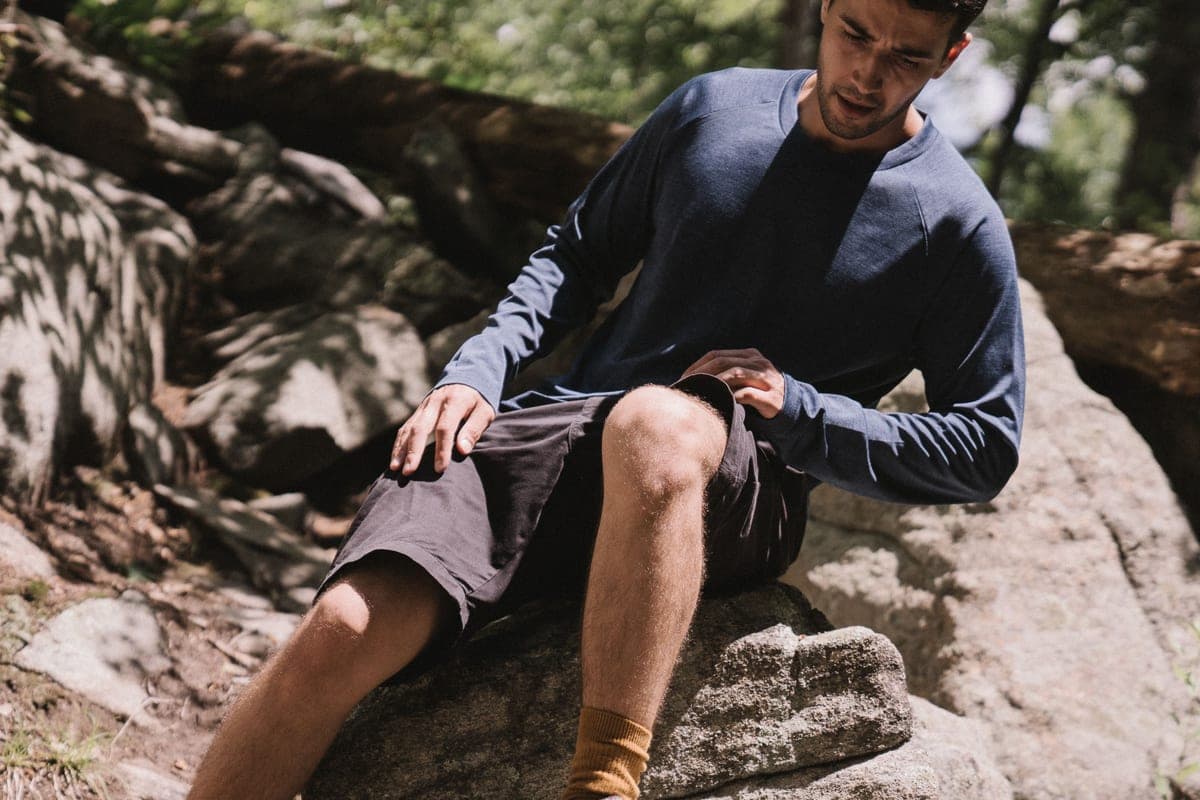
The best sun shirts
UPF 50+ shirts and hoodies chosen on fabric, fit and heat management — protection that never needs reapplying.
Sun Protective Gear
How UPF clothing works
What makes fabric block UV, why good garments do not wash out, and what actually degrades protection.

Sun Protective Gear
UPF vs SPF
What each scale measures, why they do not convert, and what UPF 50 is actually worth.
Sun Protective Gear
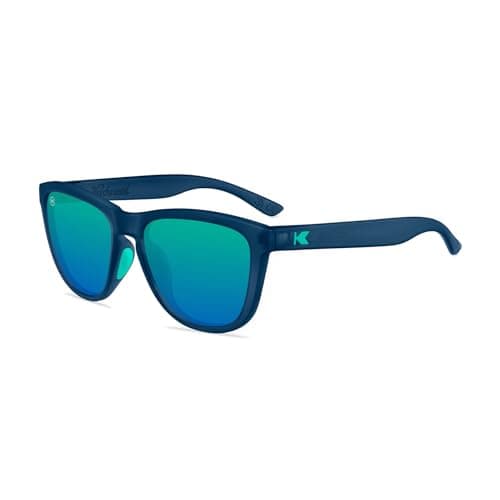
The best sunglasses for UV protection
Dark is not protective and polarized is not the same as UV-blocking. The optometrist criteria that matter and the sunglasses that meet them.
Sun Safety
The best sunscreen for tattoos
What actually fades tattoo ink, the sunscreens worth putting over healed work, and why a UPF sleeve outperforms every one of them.
Sun Safety
The best sunscreen for running
Why running strips sunscreen faster than swimming, the 80-minute mineral picks that survive a long effort, and the fix for sunscreen in your eyes.