Sun Protective Gear
The best sun hats
A cap leaves your ears and the back of your neck fully exposed. These do not.
Disclosure: Spf & Shore earns commission from qualifying purchases made through links on this page, at no extra cost to you. It does not change which products we recommend. Read the full disclosure.
Our pick is the [Sunday Afternoons Ultra Adventure Hat](#sundayAfternoonsHat) — a UPF 50+ crown with a wide brim and a neck cape, which covers the three areas a baseball cap leaves entirely exposed: ears, the back of the neck, and the sides of the face.
This is the cheapest meaningful upgrade in sun protection, and the most commonly skipped. Ears and the back of the neck are among the most frequent sites of sun damage, and they are exactly where a cap does nothing at all.
Quick picks
Tap any row to read the full write-up below.
| # | Product | Best for | Price |
|---|---|---|---|
| 1 | 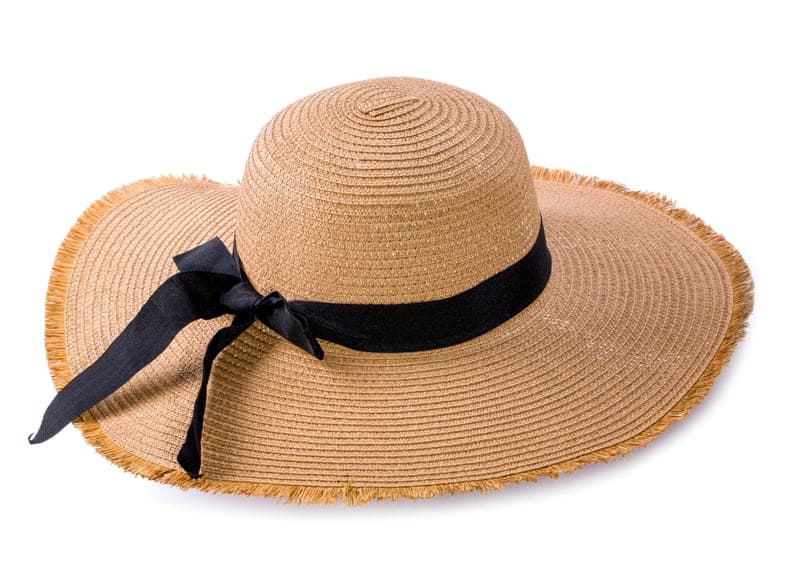 Sunday Afternoons Ultra Adventure Hat UPF 50+Best overall · UPF 50+ | Hiking, gardening and full days outdoors | |
| 2 | 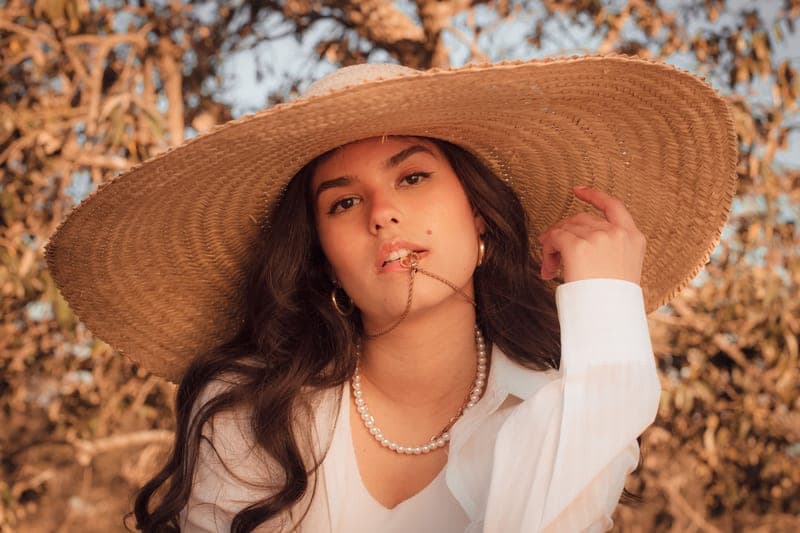 Wallaroo Hat Company Victoria Wide Brim Hat UPF 50+Best everyday hat · UPF 50+ | Wearing somewhere other than a trail | |
| 3 | 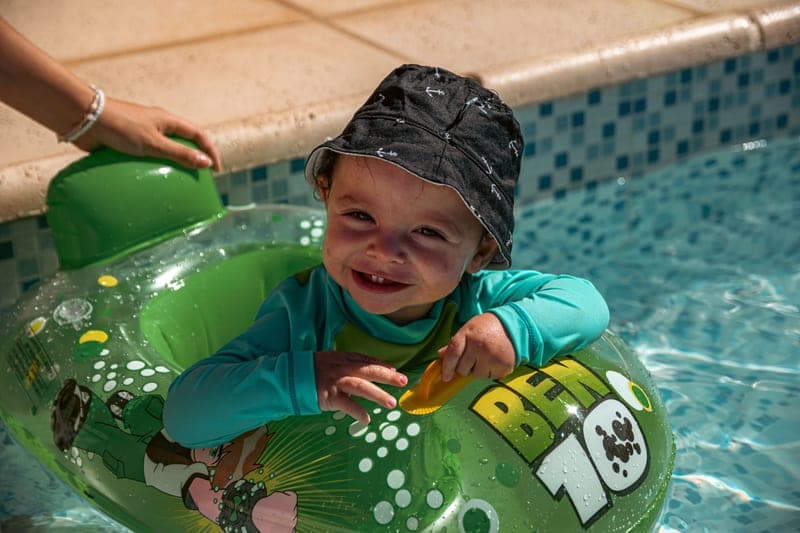 Coolibar Kids Bucket Hat UPF 50+Best for children · UPF 50+ | Babies and toddlers who remove anything unsecured | |
| 4 |  Coolibar Morada Everyday Long Sleeve T-Shirt UPF 50+Best pairing · UPF 50+ | Covering the neck and shoulders a brim cannot reach |
Why brim width is the whole specification
A brim protects by casting shade. How much it casts is a function of how far it extends, and the relationship is not subtle: a 3-inch brim shades meaningfully more of the face and neck than a 2-inch one, and a baseball cap's forward-only peak shades the forehead and nose while leaving ears, cheeks and the entire back of the neck open.
| Style | Covers | Leaves exposed |
|---|---|---|
| Baseball cap | Forehead, nose, upper face | Ears, cheeks, back of neck, jaw |
| Bucket hat (2–3 inch brim) | Most of the face, ears, some of the neck | Lower face from reflected light |
| Wide brim (3 inch or more) | Face, ears, most of the neck | Under-chin from reflected light |
| Wide brim with neck cape | Face, ears, full neck | Under-chin from reflected light |
| Legionnaire style (kids) | Face, ears, full neck, stays on | Under-chin from reflected light |
The Skin Cancer Foundation's guidance on sun-protective clothing is consistent on this point: a brim of at least 3 inches all the way round is what meaningfully protects the face, ears and neck.
Our picks in detail
01 · Best overall
Sunday Afternoons Ultra Adventure Hat UPF 50+
Sunday Afternoons
A UPF 50+ crown with a wide brim and a removable neck cape — the most complete head, ear and neck coverage available without wearing something conspicuous.
- Actives:
- UPF 50+ crown with a neck cape
- SPF:
- UPF 50+
- Water resistance:
- Quick-dry
- Reef status:
- Not applicable
- Best for:
- Hiking, gardening and full days outdoors
What works
- Neck cape covers what a brim alone cannot
- UPF 50+ rated fabric
- Quick-drying and packable
The trade-off
- The cape looks deliberate, which some will not want
- Premium pricing
02 · Best everyday hat
Wallaroo Hat Company Victoria Wide Brim Hat UPF 50+
Wallaroo
A UPF 50+ wide-brim hat that looks like a hat rather than like equipment, and packs flat enough to live in a bag — which is why it actually gets worn.
- Actives:
- UPF 50+ woven brim, packable
- SPF:
- UPF 50+
- Water resistance:
- Not applicable
- Reef status:
- Not applicable
- Best for:
- Wearing somewhere other than a trail
What works
- Wide brim in a wearable style
- Packable without losing shape
- UPF 50+ rated
The trade-off
- No neck cape
- Less secure than a strapped hat in wind
03 · Best for children
Coolibar Kids Bucket Hat UPF 50+
Coolibar
A UPF 50+ wide-brim bucket hat with a chin strap, rated wet or dry — the two features that decide whether a child's hat protects anything, in one product.
- Actives:
- UPF 50+ crown with a chin strap
- SPF:
- UPF 50+
- Water resistance:
- Rated wet or dry
- Reef status:
- Not applicable
- Best for:
- Babies and toddlers who remove anything unsecured
What works
- Chin strap means it stays on
- Wide brim covers ears and neck
- Rated wet or dry
The trade-off
- Outgrown quickly
- Nothing for reflected light
04 · Best pairing
Coolibar Morada Everyday Long Sleeve T-Shirt UPF 50+
Coolibar
A hat covers the head; a UPF 50+ shirt covers everything below it. Together they leave only face, hands and lower legs for sunscreen to handle.
- Actives:
- UPF 50+ knit — the protection is the fabric, not a coating
- SPF:
- UPF 50+
- Water resistance:
- Rated wet or dry
- Reef status:
- Not applicable
- Best for:
- Covering the neck and shoulders a brim cannot reach
What works
- Rated wet or dry
- Covers shoulders and the upper back
- Looks like normal clothing
The trade-off
- Does not cover the head
- Premium pricing
What to look for
- A brim of 3 inches or more, all the way around rather than only at the front.
- UPF 50+ fabric, not straw with gaps you can see light through. Hold it up to a window — visible pinholes are UV getting through.
- A chin strap, essential on children and useful for adults on windy coasts or on a boat.
- A dark under-brim, which reduces glare reflected up into the eyes from sand, water and pavement.
- Packability, if it needs to live in a bag rather than on a hook by the door.
What a hat does not fix
Reflected light. Sand reflects a meaningful share of UV, water more, and snow more again — and all of it comes from below, where a brim provides nothing. That is why people on beaches burn under their chin and the underside of their nose despite wearing a hat.
A hat also does very little for hands, forearms and the lower face in those conditions. It is a complement to sunscreen and a sun shirt, not a substitute for either. Best sunscreen for face.
Hats for children
Two requirements, and the second is the one people forget: a wide brim, and a chin strap. A hat a child removes protects nobody, and a toddler will remove any hat that is not attached. Legionnaire-style hats with a fabric neck flap are particularly effective on small children, who spend a lot of time looking down at sand.
For infants under six months, where the guidance is shade and clothing rather than sunscreen, a hat is doing a disproportionate share of the protective work.
Sources
- Sun-Protective Clothing — Skin Cancer Foundation
- How to prevent skin cancer — American Academy of Dermatology
- How Do I Protect Myself from UV Rays? — American Cancer Society
- Sun Safety: Information for Parents About Sunburn and Sunscreen — American Academy of Pediatrics (HealthyChildren.org)
Frequently asked questions
What is the best sun hat?
One with a UPF 50+ crown and a brim of at least 3 inches all the way round. The Sunday Afternoons Ultra Adventure Hat adds a neck cape, which covers the back of the neck — one of the most commonly burned areas and one a brim alone does not fully protect.
Is a baseball cap enough sun protection?
No. A cap shades the forehead and nose while leaving the ears, cheeks and the entire back of the neck exposed, which are among the most common sites of sun damage.
How wide should a sun hat brim be?
At least 3 inches all the way around. The Skin Cancer Foundation's guidance is consistent on this — a brim that wide is what meaningfully shades the face, ears and neck.
Should a sun hat be dark or light?
Darker fabrics block more UV but absorb more heat. A UPF 50+ rated hat in any color already blocks 98% or more, so choose for heat comfort. A dark under-brim is genuinely useful because it reduces glare reflected up from sand and water.
Read next

Sun Protective Gear
The best sun shirts
UPF 50+ shirts and hoodies chosen on fabric, fit and heat management — protection that never needs reapplying.

Sun Protective Gear
How UPF clothing works
What makes fabric block UV, why good garments do not wash out, and what actually degrades protection.
Sun Protective Gear
The best beach shade and umbrellas
Canopies, clamp umbrellas and wind shades, what each is good at, and why shade beats a better sunscreen.

Kids & Baby
Sunscreen for babies under six months
What the AAP actually advises for infants, and how to apply it on a real day out.
Face & Tinted SPF
The best sunscreen for your face
Daily face SPF by skin type and finish, from mineral to hybrid, with the trade-off named on each.

Sun Protective Gear
UPF vs SPF
What each scale measures, why they do not convert, and what UPF 50 is actually worth.