Sun Safety
The best sunscreen for gardening
Nobody packs sunscreen to weed a border for three hours, which is exactly why gardeners carry so much cumulative sun damage on their hands and necks.
Disclosure: Spf & Shore earns commission from qualifying purchases made through links on this page, at no extra cost to you. It does not change which products we recommend. Read the full disclosure.
Our overall pick is Blue Lizard Sensitive Mineral SPF 50+: mineral filters only, fragrance-free, SPF 50+ and the full 80 minutes of water resistance a US label may claim, in a bottle big enough to use generously. The budget pick is the SayWow UV Driving Gloves UPF 50+, because the backs of the hands are where gardeners take the most sun and the least protection.
Gardening is the sun exposure nobody counts. A beach day gets sunscreen because it is planned; two hours of deadheading on a Saturday afternoon does not, and it happens at the hours the EPA names as the strongest part of the UV day. Done weekly across a growing season, that is a very large cumulative dose landing on a very specific set of places: the backs of the hands, the forearms, the back of the neck and the ears.
It is also the one outdoor activity where sunscreen on your hands is actively unhelpful, because you are about to put them into soil and compost. That makes gloves and a brim do more of the work here than on any other page we have written.
Quick picks
Tap any row to read the full write-up below.
| # | Product | Best for | Price |
|---|---|---|---|
| 1 | 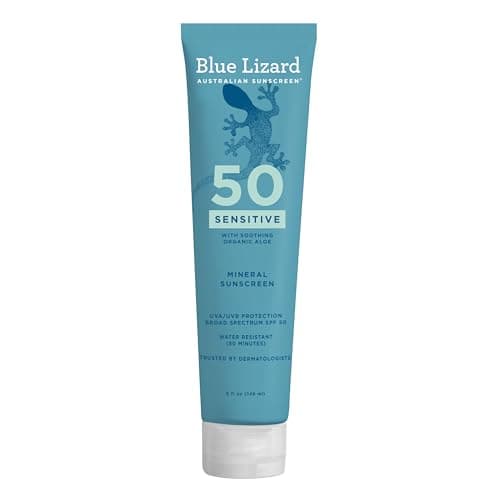 Blue Lizard Sensitive Mineral Sunscreen SPF 50+Best overall · SPF 50+ | One bottle by the back door for arms, neck and chest | $13.46 · View on Amazon #ad We earn from qualifying purchases · Price as of November 23, 2026 |
| 2 | 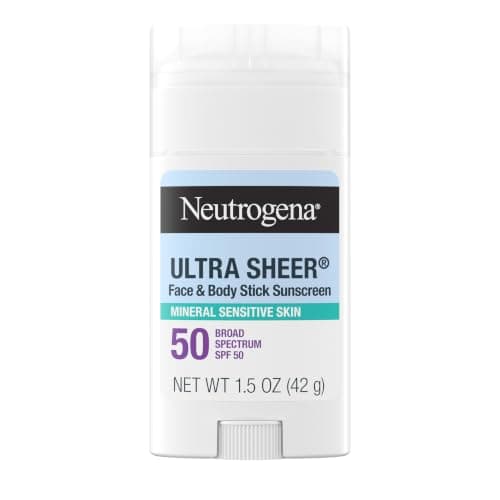 Neutrogena Ultra Sheer Face & Body Mineral Sunscreen Stick SPF 50Best for the neck and ears · SPF 50 | The two places a bent-over gardener burns worst | $15.00 · View on Amazon #ad We earn from qualifying purchases · Price as of November 23, 2026 |
| 3 | 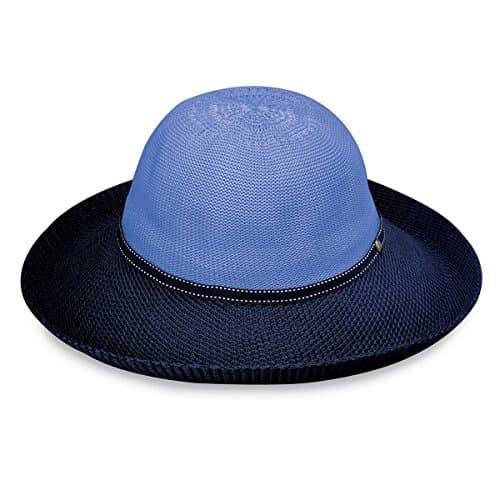 Wallaroo Hat Company Victoria Wide Brim Hat UPF 50+Best hat · UPF 50+ | Shading the ears, face and neck for a whole session | $34.00 · View on Amazon #ad We earn from qualifying purchases · Price as of November 23, 2026 |
| 4 | 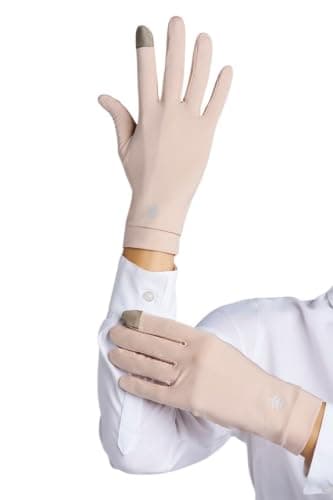 Coolibar Full Finger UV Sun Gloves UPF 50+Best for hands · UPF 50+ | Pruning, staking, mowing and watering in open sun | $39.00 · View on Amazon #ad We earn from qualifying purchases · Price as of November 23, 2026 |
| 5 | 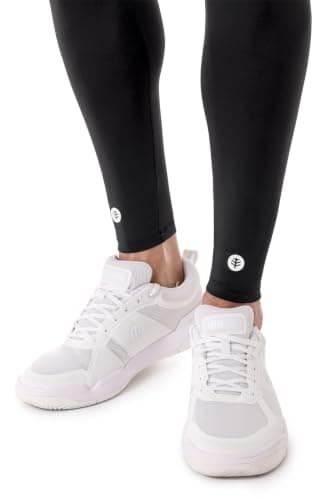 Coolibar Performance Leg Sleeves UPF 50+Best for kneeling · UPF 50+ | Shins and calves on a kneeling pad in full sun | $18.38 · View on Amazon #ad We earn from qualifying purchases · Price as of November 23, 2026 |
| 6 | 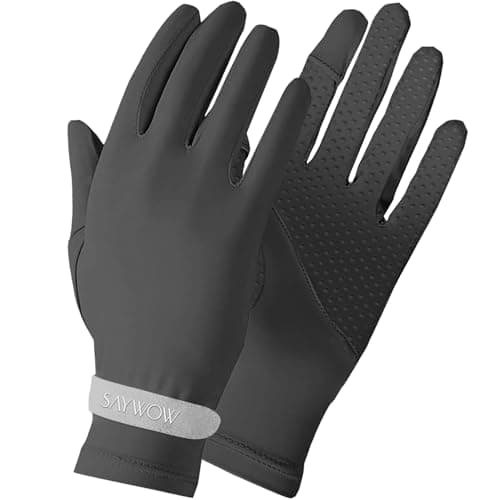 SayWow UV Sun Protection Driving Gloves UPF 50+Budget pick · UPF 50+ | A first pair of sun gloves, or a spare for the shed | $9.99 · View on Amazon #ad We earn from qualifying purchases · Price as of November 23, 2026 |
Why gardeners burn where they do
The posture decides it. Weeding, planting and pruning are done bent forward or kneeling, which presents the back of the neck, the tops of the shoulders and the backs of the hands almost straight up at the sky for the whole session. Meanwhile your face is angled down and relatively sheltered, which is why so many keen gardeners have sun-damaged hands and a comparatively undamaged forehead.
The duration is the other half. People garden in sessions that start as twenty minutes and become three hours, with no plan that included reapplying anything. A sunscreen's water-resistance claim tops out at 80 minutes, and nobody is stopping at minute 80 to re-coat their arms when the bed is half done.
What we looked for
- A bottle you will leave by the back door. The product that protects a gardener is the one within reach of the garden, not the one in a bathroom cabinet.
- Fragrance-free mineral filters, because gardeners already contend with pollen, sap and soil on skin and adding fragrance is the easiest irritant to avoid.
- Cover for the backs of the hands that survives soil. Sunscreen on a palm is gone in ten minutes of digging; a glove is not.
- Something for the shins and knees, which kneeling presents to the sun and nobody ever thinks about.
- A real brim rather than a cap. A baseball cap leaves the ears and the back of the neck fully exposed, which is where the damage lands. Our methodology.
We do not garden-test products and we run no laboratory. Every figure below is read off the brand's own US listing or its published OTC drug label.
The picks compared
| Product | What it covers | Material or actives | Water resistance |
|---|---|---|---|
| Blue Lizard Sensitive Mineral SPF 50+ | Arms, neck, chest, legs | Zinc oxide and titanium dioxide | 80 minutes |
| Neutrogena Ultra Sheer Mineral Stick SPF 50 | Neck, ears, face | 21.6% zinc oxide | 80 minutes |
| Wallaroo Victoria Wide Brim Hat UPF 50+ | Scalp, ears, face, upper neck | UPF 50+ woven brim, packable | Not applicable |
| Coolibar Full Finger UV Sun Gloves UPF 50+ | Whole hand including fingertips | UPF 50+ knit | Quick-dry |
| Coolibar Performance Leg Sleeves UPF 50+ | Calves and shins | UPF 50+ knit | Quick-dry |
| SayWow UV Driving Gloves UPF 50+ | Whole hand, touchscreen fingertips | UPF 50+ thin knit | Not applicable |
Our picks in detail
01 · Best overall
Blue Lizard Sensitive Mineral Sunscreen SPF 50+
Blue Lizard · Read our Blue Lizard review
Zinc oxide and titanium dioxide, fragrance-free, SPF 50+ and the full 80 minutes of water resistance a US label may claim, in a bottle large enough to use at a proper dose rather than rationing. It is the one product here we would call complete, and it is mild enough to use daily through a whole growing season.
- Actives:
- Zinc oxide and titanium dioxide
- SPF:
- SPF 50+
- Water resistance:
- 80 minutes
- Reef status:
- Mineral filters only; the Sensitive formula omits oxybenzone and octinoxate
- Best for:
- One bottle by the back door for arms, neck and chest
What works
- Mineral filters only, with no fragrance to irritate
- 80 minutes of water resistance, the maximum claim allowed
- Large enough to apply generously without thinking about cost
The trade-off
- Leaves a visible cast that needs working in
- Thick, so covering two arms and a neck is not instant
- Useless on hands you are about to put into soil
#ad We earn from qualifying purchases · Price as of November 23, 2026
02 · Best for the neck and ears
Neutrogena Ultra Sheer Face & Body Mineral Sunscreen Stick SPF 50
Neutrogena
21.6% zinc oxide at SPF 50 with 80 minutes of water resistance, in a solid you can run over the back of your own neck and the tops of your ears without a mirror and without greasing your palms. Those two areas take the most sun and the least sunscreen in gardening, and a stick is the format that actually gets used on them.
- Actives:
- 21.6% zinc oxide
- SPF:
- SPF 50
- Water resistance:
- 80 minutes
- Reef status:
- Zinc only — no oxybenzone, octinoxate or octocrylene
- Best for:
- The two places a bent-over gardener burns worst
What works
- High stated zinc concentration with a real water-resistance claim
- Reaches the back of the neck and the ears by feel
- Leaves palms dry, so you can carry on working
The trade-off
- Visible cast, more noticeable on deeper skin
- A stick deposits less per pass than a lotion
- Too small to cover a pair of arms
#ad We earn from qualifying purchases · Price as of November 23, 2026
03 · Best hat
Wallaroo Hat Company Victoria Wide Brim Hat UPF 50+
Wallaroo
A UPF 50+ woven wide brim that packs down, which matters because a hat that lives crushed in a basket is a hat you will wear. A brim this wide covers the ears, which a baseball cap leaves fully exposed, and casts real shade on the back of the neck while you are bent over.
- Actives:
- UPF 50+ woven brim, packable
- SPF:
- UPF 50+
- Water resistance:
- Not applicable
- Reef status:
- Not applicable
- Best for:
- Shading the ears, face and neck for a whole session
What works
- Rated UPF 50+ rather than an unrated loose straw
- Wide brim covers the ears, not just the forehead
- Packable, so it survives being kept in a shed
The trade-off
- A wide brim catches wind and needs a chin cord in gusts
- Does nothing about light reflected off paving or water
- Warmer than a vented cap on a still day
#ad We earn from qualifying purchases · Price as of November 23, 2026
04 · Best for hands
Coolibar Full Finger UV Sun Gloves UPF 50+
Coolibar
A UPF 50+ knit covering the whole hand including the fingertips, which is the version to buy if the backs of your fingers have taken years of sun. It is protection that cannot be washed off in a water butt or wiped onto your trousers, which is the entire problem with sunscreen on a gardener's hands.
- Actives:
- UPF 50+ knit covering the whole hand including the fingertips
- SPF:
- UPF 50+
- Water resistance:
- Quick-dry
- Reef status:
- Not applicable
- Best for:
- Pruning, staking, mowing and watering in open sun
What works
- Covers the whole hand, fingertips included
- UPF 50+ that does not degrade as you work
- Quick-dry knit, so damp hands are not the end of the job
The trade-off
- Thin knit, so it is sun protection rather than a work glove
- Less tactile than bare hands for seed sowing
- Leaves a protection edge at the wrist
#ad We earn from qualifying purchases · Price as of November 23, 2026
05 · Best for kneeling
Coolibar Performance Leg Sleeves UPF 50+
Coolibar
A UPF 50+ knit sleeve cut for the calf and shin, which sounds unnecessary until you have knelt in shorts weeding a border for two hours. Kneeling presents the back of the calf and the shin to the sky, and it is an area that gets sunscreen roughly never.
- Actives:
- UPF 50+ knit sleeve cut for the calf and shin
- SPF:
- UPF 50+
- Water resistance:
- Quick-dry
- Reef status:
- Not applicable
- Best for:
- Shins and calves on a kneeling pad in full sun
What works
- Covers a genuinely neglected area without a trouser change
- UPF 50+ that stays put through a long session
- Cooler than long trousers in still, hot air
The trade-off
- An unusual item that takes some getting used to
- Hard protection edge at the knee and the ankle
- Picks up soil and needs washing often
#ad We earn from qualifying purchases · Price as of November 23, 2026
06 · Budget pick
SayWow UV Sun Protection Driving Gloves UPF 50+
SayWow
A thin full-finger UPF 50+ knit with touchscreen-compatible fingertips, at a fraction of the price of the premium gloves. It is the cheapest genuine fix on this page for the area gardeners damage most, and the touchscreen detail means you will not pull them off every time your phone rings.
- Actives:
- UPF 50+ thin knit, full-finger, with touchscreen-compatible fingertips
- SPF:
- UPF 50+
- Water resistance:
- Not applicable
- Reef status:
- Not applicable
- Best for:
- A first pair of sun gloves, or a spare for the shed
What works
- The lowest price of any item on this page
- Full-finger cover including the fingertips
- Touchscreen fingertips, so they stay on
The trade-off
- Very thin, so no abrasion protection from thorns at all
- No published wet rating
- Lighter knit relaxes faster than the premium version
#ad We earn from qualifying purchases · Price as of November 23, 2026
The hands problem
The backs of the hands are second only to the face for lifetime ultraviolet exposure, and they are the single worst place to rely on sunscreen while gardening. You wash them, you wipe them on your trousers, you plunge them into damp compost, and a film that was applied at the start of a session is measurably gone very quickly. The result is the specific pattern dermatologists see constantly: freckling and thinning skin on the back of the hand with an abrupt line at the watch.
A UPF glove solves it the way a sleeve solves an arm, by not being a consumable. A full-finger version covers the fingertips too, which matters for anyone who has had actinic damage on the backs of the fingers. If you prefer to work bare-handed in soil, at least put the gloves on for the long jobs in open sun: pruning, staking, mowing and watering.
Why a wide brim beats a baseball cap
A cap shades the forehead and the top half of the face and leaves the ears and the back of the neck completely open, which on a gardener bent over a bed is the worst possible allocation of fabric. A brim of three inches or more, ideally with a rated UPF crown rather than a loose straw weave, covers the ears and throws shade on the neck as well.
Loose weave is the thing to check. A straw hat you can see daylight through is transmitting that daylight onto your scalp, and a gappy weave on a part line burns. The best sun hats goes through the weave and brim-width question properly, and how UPF clothing works explains what the rating on the label is measuring.
When to garden, if you have the choice
The EPA puts peak ultraviolet in the middle of the day, so the easiest sun protection available to a gardener is free: do the long jobs in open beds before mid-morning or after late afternoon, and save the shaded corners for the middle of the day. That is not always possible, and it is worth more than any product on this page when it is.
On a cloudy day the exposure does not disappear. A thin or broken cloud layer transmits a large share of ultraviolet while removing the glare and the heat that would normally make you cautious, and gardeners work through overcast afternoons without a second thought. Sunscreen on cloudy days covers what the cloud actually does, and what UV index needs sunscreen is the practical version.
What we would actually buy
One large bottle of Blue Lizard Sensitive kept in the potting shed or by the back door, one mineral stick in the same place for the neck and ears, one pair of UPF gloves, leg sleeves if you kneel, and one real brimmed hat that lives on a hook with the secateurs. The point of that list is location: every item is where the gardening starts, which is the only way an unplanned three hours in the sun ends up protected. The best sunscreen for sensitive skin is the page to read if your skin reacts easily, and the best UPF sun sleeves and gloves covers the fabric options in more depth.
Sources
- Learn About the UV Index — U.S. Environmental Protection Agency
- How to prevent skin cancer — American Academy of Dermatology
- Sun-Protective Clothing — Skin Cancer Foundation
- Sun Safety — Centers for Disease Control and Prevention
- Questions and Answers: FDA Requirements for Over-the-Counter Sunscreen Products — U.S. Food and Drug Administration
Frequently asked questions
Do you need sunscreen for gardening?
Yes, and gardening is one of the most under-protected sun exposures there is, because the sessions are unplanned and happen in the middle of the day. The practical answer is a bottle kept where the gardening starts plus gloves and a brimmed hat, since hands in soil and a bent-over neck are the two places sunscreen alone does not hold up.
Where do gardeners get the most sun?
The backs of the hands, the forearms, the back of the neck and the ears. The posture explains it: weeding and planting are done bent forward or kneeling, which points the neck, shoulders and hands almost straight up at the sky while the face is angled down and relatively sheltered.
Are sun gloves better than sunscreen for gardening?
For the hands, clearly. Sunscreen on a palm or the back of a hand is removed by washing, wiping and digging within minutes, while a UPF 50+ knit keeps transmitting about a fiftieth of the ultraviolet that reaches it for the whole session. Sunscreen still has the job of the face, neck, ears and arms.
Is a straw garden hat enough sun protection?
Only if the weave is tight. If you can see daylight through the crown while holding it up, that daylight is reaching your scalp, and a part line burns through a gappy weave. A rated UPF crown with a brim of three inches or more is the thing to look for, because the brim also has to cover the ears.
What time of day is safest to garden?
Before mid-morning and after late afternoon. The EPA puts peak ultraviolet in the middle of the day, so shifting the long jobs in open beds out of that window is the cheapest sun protection available to a gardener, and it costs nothing.
Can garden plants make sunburn worse?
Some can. Parsnip, giant hogweed, rue and certain citrus carry compounds that react with ultraviolet light after skin contact and can cause a blistering, burn-like reaction in the shape of where the sap touched. Covering the skin is the protection that helps there, not a higher SPF, and a reaction after handling an unfamiliar plant is worth a doctor's opinion.
Read next
Sun Protective Gear
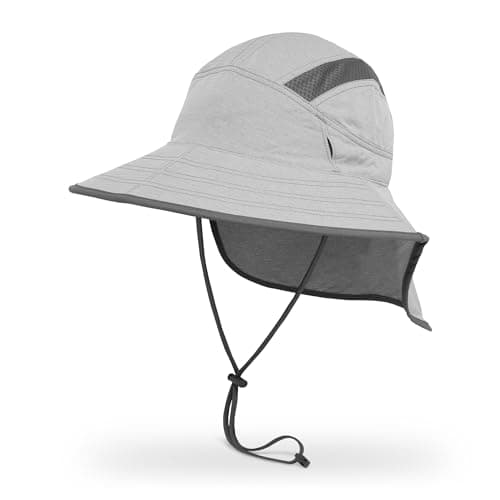
The best sun hats
Wide-brim UPF 50+ hats for adults and children, and why a baseball cap is not enough.
Sun Protective Gear
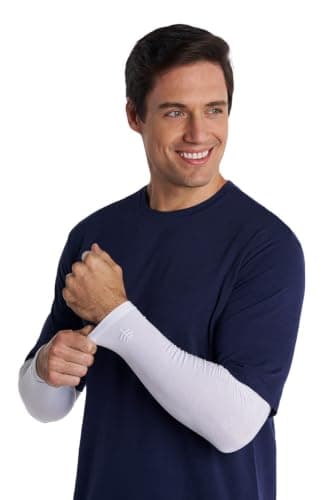
The best UPF sun sleeves and gloves
UPF 50+ arm sleeves, sun gloves and leg sleeves for the forearms, hands and shins a shirt and hat never reach.
Reef-Safe & Ingredients
The best sunscreen for sensitive skin
Fragrance-free mineral formulas for reactive skin, chosen on the inactive ingredients.
Sun Safety
What UV index do you need sunscreen?
The EPA's UV Index thresholds, what each band actually asks you to do, the shadow rule for when you have no forecast, and why the number alone is not the whole decision.
Sun Safety
Do you need sunscreen on a cloudy day?
Why cloud is a poor UV filter, how overcast burns happen, what thin and broken cloud actually do to exposure, and the simple rule for deciding on a gray day.
Sun Safety
The best sunscreen sticks
The sunscreen sticks worth buying, what their actives panels say, and the number of passes it takes to reach the SPF on the tube.