Kids & Baby
Sunscreen for babies under six months
Shade and clothing come first. Here is exactly what the guidance says and how to apply it on a real day out.
Disclosure: Spf & Shore earns commission from qualifying purchases made through links on this page, at no extra cost to you. It does not change which products we recommend. Read the full disclosure.
The [American Academy of Pediatrics](https://www.healthychildren.org/English/safety-prevention/at-play/Pages/Sun-Safety.aspx) advises keeping babies under six months out of direct sunlight and using shade and clothing rather than sunscreen. When shade is genuinely unavailable, a small amount of a mineral sunscreen may be applied to exposed areas such as the face and the backs of the hands. From six months, sunscreen is used normally alongside hats and clothing.
That is the guidance in full, and it is worth reading carefully, because it is often reported as a flat prohibition. It is not. It is an ordering: shade first, clothing second, sunscreen for the gaps.
Why infants are treated differently
Two reasons, both structural rather than about any specific ingredient. Infant skin is thinner and less developed than adult skin. And infants have a much higher ratio of skin surface area to body weight, so any topical application represents a proportionally larger exposure than the same application on an adult.
Neither of those is a statement that sunscreen is dangerous to babies. They are reasons to prefer approaches that do not involve applying a product to a large share of a very small person — which is what shade and clothing are.
What to do instead, practically
Shade
The most protective and least complicated option. A stroller canopy, a tree, a beach canopy, the shaded side of the street. Plan outings for before 10am or after 4pm where you can, since that is when UV is weakest. Note that a stroller canopy alone does not block reflected UV coming off sand, water or pavement, so a parasol or full canopy is better than a hood at the beach. Beach shade and umbrellas.
Clothing
Lightweight long sleeves and long trousers, in a close weave. A UPF 50+ garment blocks at least 98% of UV, works for the whole day, and cannot be rubbed off or washed away. A plain white cotton babygro, for comparison, sits around UPF 5 to 7 — better than nothing, much less than most parents assume, and worse again when wet.
A hat that covers ears and neck
A wide brim with a chin strap. Caps leave ears and the back of the neck fully exposed, and both burn readily on an infant. Sun hats.
Then sunscreen, on what is left
Face and the backs of the hands, using a small amount of a mineral product. Choose zinc-only or zinc-and-titanium, fragrance-free, with the shortest ingredient list you can find. Our baby picks are selected exactly on those criteria.
Patch test first
Apply a small amount to the inside of the forearm a day or two before you need it, leave it on, and check at 24 and again at 48 hours — some contact reactions are delayed. If your baby has eczema or any skin condition, ask your pediatrician before introducing a new product. Everything here is general information rather than medical advice.
What about sunburn on an infant?
Sunburn in a baby under one year is treated as a reason to contact a clinician rather than to manage at home, particularly if there is blistering, fever, or the baby seems unwell or unusually drowsy. Do not wait to see how it develops. Sun poisoning versus sunburn covers the warning signs in older children and adults, but for infants the threshold for calling is deliberately lower.
Common questions parents ask about this rule
- Is it harmful if I already used some? No. The guidance is about preferring shade and clothing, not a warning that a small amount of mineral sunscreen causes harm.
- Does the six-month line mean something changes overnight? No. It is a practical threshold, not a biological switch. A five-and-a-half-month-old in unavoidable sun is still better served by a little mineral sunscreen than by a burn.
- Can I use a chemical sunscreen if it is all I have? Shade and clothing are better. If there is no alternative and sun is unavoidable, a small amount on exposed skin is preferable to a burn — but make mineral the product you actually carry.
- What about window glass in a car? UVA passes through ordinary glass. For a long daytime drive, a sunshade on the window is the simple answer. What broad spectrum means explains why UVA is the part that gets through.
Sources
- Sun Safety: Information for Parents About Sunburn and Sunscreen — American Academy of Pediatrics (HealthyChildren.org)
- Sun Safety — American Academy of Pediatrics
- Sunscreen FAQs — American Academy of Dermatology
- Sunburn — Skin Cancer Foundation
- Sunscreen: How to Help Protect Your Skin from the Sun — U.S. Food and Drug Administration
Frequently asked questions
Can babies under 6 months wear sunscreen?
The American Academy of Pediatrics advises shade and clothing rather than sunscreen for infants under six months, with a small amount of mineral sunscreen applied to exposed areas such as the face and backs of the hands only when shade is unavailable.
What sunscreen is safe for babies under 6 months?
If sunscreen is needed at all, a mineral formula — zinc oxide or zinc with titanium dioxide — that is fragrance-free with a short ingredient list. Patch test 24 to 48 hours before use, and ask your pediatrician if your baby has eczema.
Why can't newborns wear sunscreen?
It is a preference rather than a prohibition. Infant skin is thinner and infants have a higher ratio of skin surface to body weight, so shade and clothing are preferred over applying a product across a large share of a very small body.
What should I do if my baby gets sunburned?
For a baby under one year, contact a clinician rather than managing it at home, especially if there is blistering, fever, or the baby seems unwell or unusually drowsy. The threshold for calling is deliberately lower than for older children.
Read next
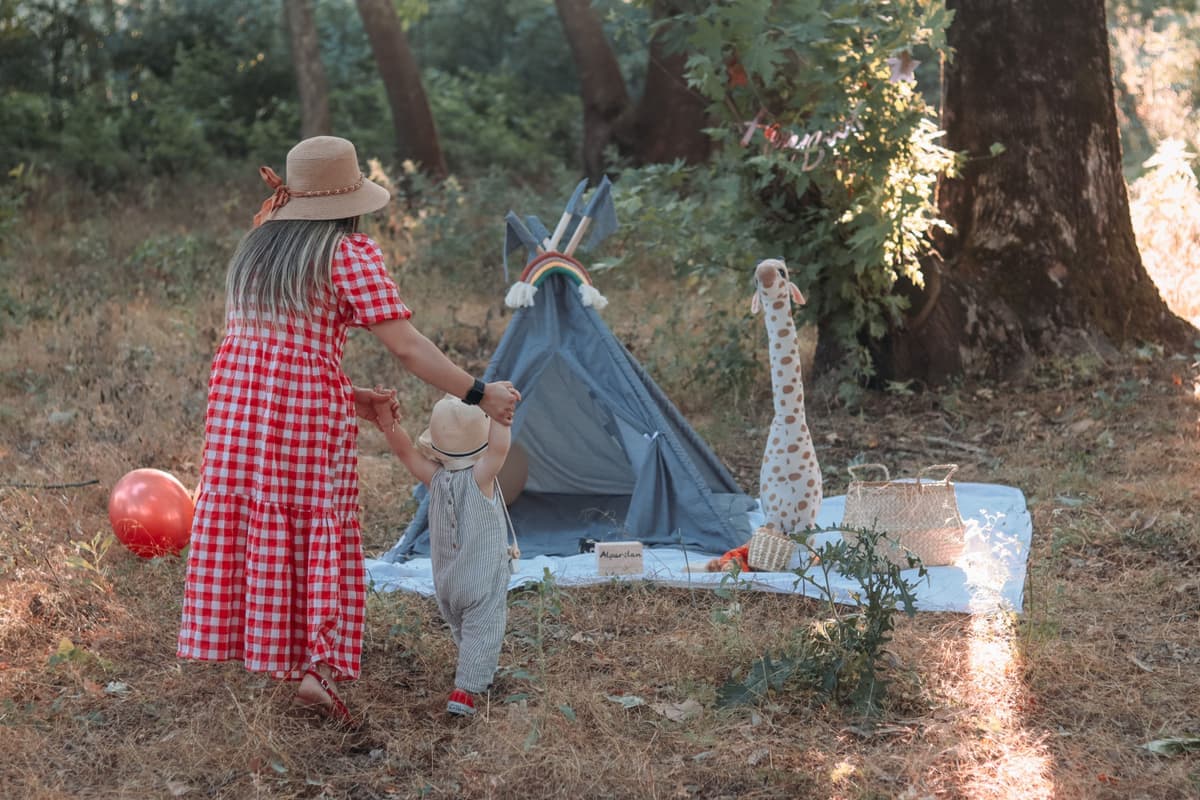
Kids & Baby
The best baby sunscreen
Zinc-only, fragrance-free formulas for six months and up, plus the AAP guidance for younger infants.
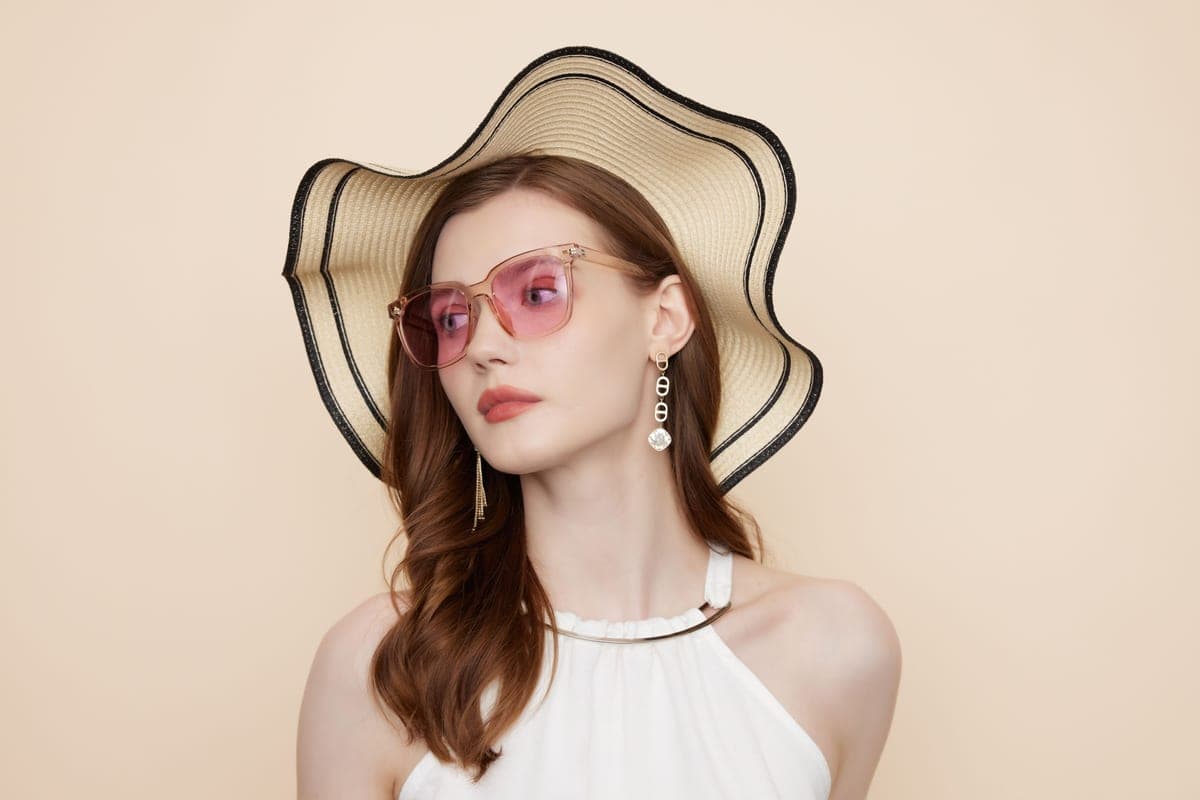
Sun Protective Gear
The best sun hats
Wide-brim UPF 50+ hats for adults and children, and why a baseball cap is not enough.
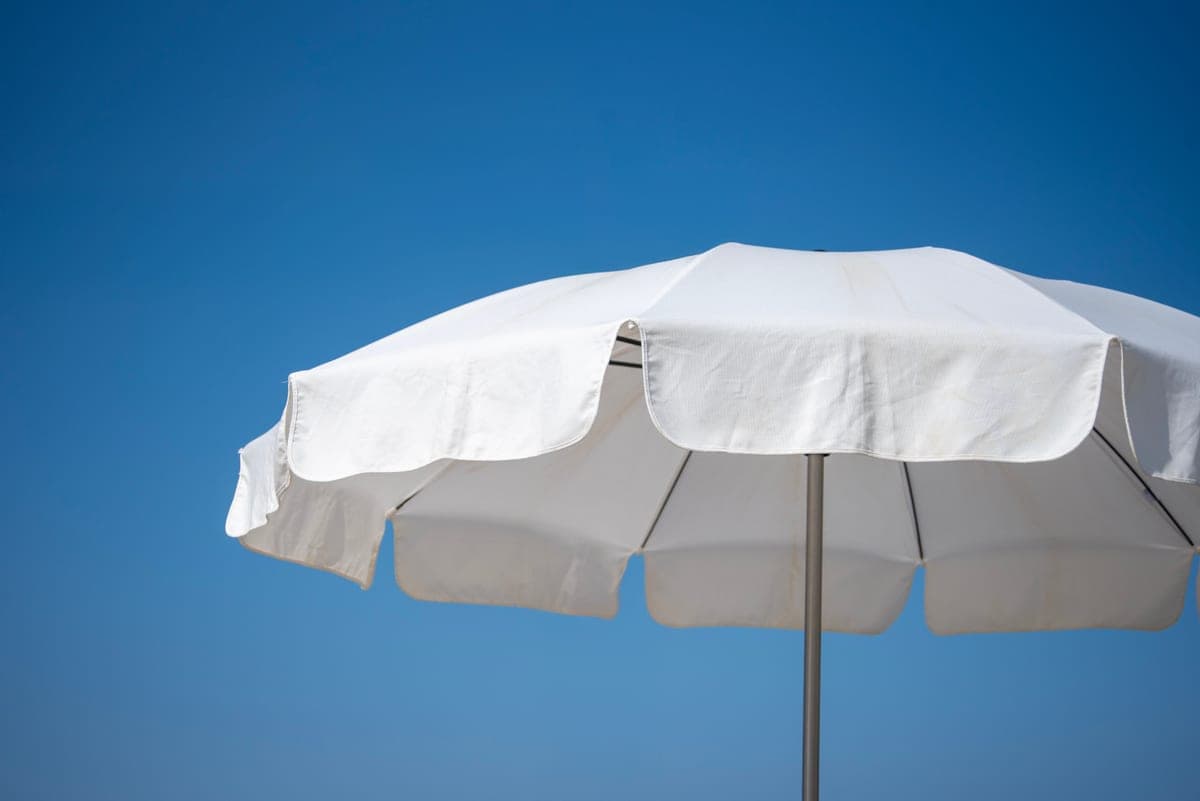
Sun Protective Gear
The best beach shade and umbrellas
Canopies, clamp umbrellas and wind shades, what each is good at, and why shade beats a better sunscreen.

Kids & Baby
The best sunscreen for kids with eczema and sensitive skin
Fragrance-free mineral formulas with short ingredient lists, plus what actually triggers reactions.
Sun Safety
Sun poisoning vs sunburn
How to tell severe sunburn from ordinary, the warning signs, and when to call a clinician.
Sun Protective Gear
How UPF clothing works
What makes fabric block UV, why good garments do not wash out, and what actually degrades protection.