Kids & Baby
The best sunscreen for kids with eczema and sensitive skin
Fragrance-free, short ingredient lists, mineral actives — and what actually causes most reactions.
Disclosure: Spf & Shore earns commission from qualifying purchases made through links on this page, at no extra cost to you. It does not change which products we recommend. Read the full disclosure.
Our pick is [Vanicream Mineral Sunscreen SPF 50+](#vanicream) — mineral actives, no fragrance, no dyes, no botanical extracts, and 80 minutes of water resistance despite the deliberately short formulation. It is the first thing to try when something else has caused a reaction.
The important thing to understand first: most sunscreen reactions are not caused by the UV filters. They are caused by fragrance, essential oils and botanical extracts in the base. That is why a plainly packaged fragrance-free product frequently outperforms a botanically loaded natural one on reactive skin.
Quick picks
Tap any row to read the full write-up below.
| # | Product | Best for | Price |
|---|---|---|---|
| 1 | 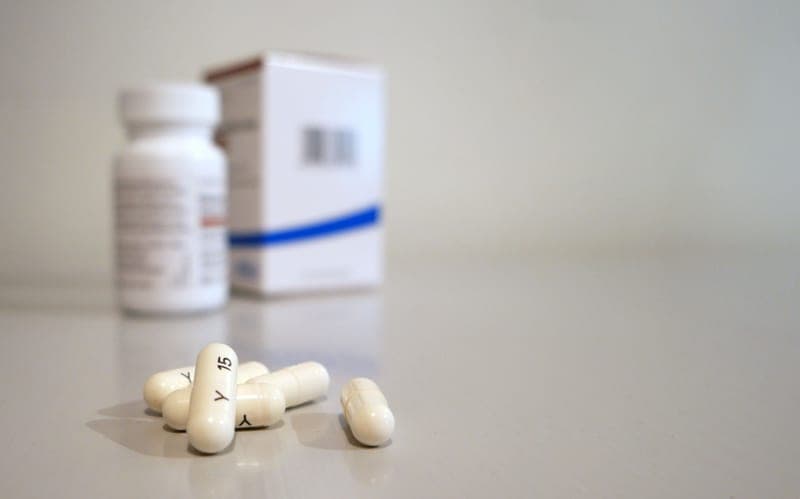 Vanicream Mineral Sunscreen SPF 50+ for Sensitive SkinBest overall · SPF 50+ | Skin that has reacted to other sunscreens | |
| 2 |  Badger Baby Sunscreen Cream SPF 40Best minimal formula · SPF 40 | Buyers who want to be able to read the whole label | |
| 3 |  California Baby Super Sensitive Broad Spectrum SPF 30+Best alternative filter · SPF 30+ | Children who reacted to a zinc-based product | |
| 4 |  CeraVe Hydrating Mineral Sunscreen SPF 50 FaceBest with barrier support · SPF 50 | Dry, compromised skin that needs the base to help | |
| 5 |  Coolibar Kids Hooded Rash Guard UPF 50+Best non-topical protection · UPF 50+ | Skin too reactive for any sunscreen to be comfortable |
What actually triggers reactions
| Ingredient group | Risk | Where it shows up on a label |
|---|---|---|
| Fragrance / parfum | The most common trigger by a wide margin | Listed as "fragrance" or "parfum"; also hidden inside "natural fragrance" |
| Essential oils | High — lavender, citrus and tea tree are established contact allergens | Named oils in the inactive list, often on natural-positioned products |
| Botanical extracts | Moderate, and unpredictable per child | Plant names in the inactive list |
| Chemical UV filters | Lower than fragrance, but real — oxybenzone is a recognized contact allergen | Active Ingredients box |
| Mineral UV filters | Low. Zinc oxide is the active in diaper rash cream | Active Ingredients box |
| Preservatives | Occasional | Inactive list — methylisothiazolinone in particular |
So the shopping rule is: read the inactive ingredients, not just the actives panel. How to read a sunscreen label works through a real one.
Our picks in detail
01 · Best overall
Vanicream Mineral Sunscreen SPF 50+ for Sensitive Skin
Vanicream · Read our Vanicream review
Mineral actives with no fragrance, dyes or botanical extracts, from a brand built entirely around sensitive skin — and 80 minutes of water resistance, which short-ingredient formulas usually give up.
- Actives:
- Zinc oxide and titanium dioxide
- SPF:
- SPF 50+
- Water resistance:
- 80 minutes
- Reef status:
- Mineral filters only
- Best for:
- Skin that has reacted to other sunscreens
What works
- No fragrance, dyes or botanical extracts
- 80-minute water resistance
- Mineral-only actives
The trade-off
- Thick and takes effort to spread
- Clear white cast
02 · Best minimal formula
Badger Baby Sunscreen Cream SPF 40
Badger · Read our Badger review
A very short ingredient list around non-nano zinc at a published concentration, with an unscented version. Fewer ingredients means fewer candidate triggers, which is the whole strategy on reactive skin.
- Actives:
- Non-nano zinc oxide, which Badger lists at 22.5%
- SPF:
- SPF 40
- Water resistance:
- 40 minutes
- Reef status:
- Zinc only — reef-relevant chemical filters absent
- Best for:
- Buyers who want to be able to read the whole label
What works
- Extremely short ingredient list
- Unscented version available
- Published zinc concentration
The trade-off
- 40 minutes of water resistance
- Very thick
03 · Best alternative filter
California Baby Super Sensitive Broad Spectrum SPF 30+
California Baby
Non-nano titanium dioxide instead of zinc, which matters when you have already ruled zinc out — a genuinely different filter to try rather than another variation on the same one.
- Actives:
- Non-nano titanium dioxide
- SPF:
- SPF 30+
- Water resistance:
- 80 minutes
- Reef status:
- Mineral filters only
- Best for:
- Children who reacted to a zinc-based product
What works
- Titanium rather than zinc, so a real alternative
- 80-minute water resistance
- Fragrance-free
The trade-off
- Check the broad-spectrum claim, as titanium-only formulas vary
- Whiter than zinc at the same load
04 · Best with barrier support
CeraVe Hydrating Mineral Sunscreen SPF 50 Face
CeraVe · Read our CeraVe review
Ceramides and hyaluronic acid in a fragrance-free mineral base, so the product supports the skin barrier rather than just sitting on it. A sensible daily face option for a child with eczema.
- Actives:
- Zinc oxide and titanium dioxide, with ceramides and hyaluronic acid
- SPF:
- SPF 50
- Water resistance:
- 40 minutes
- Reef status:
- Mineral filters only
- Best for:
- Dry, compromised skin that needs the base to help
What works
- Ceramides support a compromised barrier
- Fragrance-free
- Widely available at drugstore prices
The trade-off
- 40 minutes of water resistance
- Cast is visible on medium and deep tones
05 · Best non-topical protection
Coolibar Kids Hooded Rash Guard UPF 50+
Coolibar
A UPF 50+ hooded rash guard removes the torso and arms from the problem entirely — no contact allergens, no reapplication, protection rated wet or dry.
- Actives:
- UPF 50+ swim knit
- SPF:
- UPF 50+
- Water resistance:
- Rated wet or dry
- Reef status:
- Not applicable
- Best for:
- Skin too reactive for any sunscreen to be comfortable
What works
- Cannot cause a contact reaction
- Protects all day without reapplication
- Hood covers the back of the neck
The trade-off
- Face, hands and feet still need sunscreen
- Outgrown each season
How to patch test properly
- Apply a small amount to a coin-sized patch on the inside of the forearm, on skin that is currently clear rather than mid-flare.
- Leave it on and do not wash the area.
- Check at 24 hours and again at 48. Some contact reactions are delayed and a same-day check misses them.
- If there is redness, itching or bumps, stop and try a different product with a different filter.
- Do this before a trip, not on the first morning of one.
If a child has diagnosed eczema, has had a significant reaction before, or is using prescription topicals, speak to their pediatrician or dermatologist before introducing a new product. Sunscreen interacts with the order and timing of other topicals, and that is a clinical question rather than a shopping one. Everything on this page is general information.
Application on eczema-prone skin
- Moisturize first, wait, then apply sunscreen. Applying SPF onto a still-wet emollient dilutes it and produces patchy coverage.
- Avoid actively broken or weeping skin. Sunscreen goes on intact skin; cover a flare with clothing instead.
- Prefer creams to sprays. Sprays contain alcohols that sting broken skin and are hard to dose accurately.
- Rinse and re-moisturize at the end of the day. Leaving a heavy mineral layer on overnight is not doing an eczema-prone child any favors.
The option that avoids the question
For a child whose skin reacts to most things, the most reliable sun protection is the one that never touches them: a UPF 50+ swim shirt and a wide-brim hat. Fabric covers the torso and arms completely, needs no reapplication, and cannot cause a contact reaction the way a topical can. Sunscreen then only has to handle face, hands and feet — a much smaller problem to solve.
Sources
- Sunscreen FAQs — American Academy of Dermatology
- Sun Safety: Information for Parents About Sunburn and Sunscreen — American Academy of Pediatrics (HealthyChildren.org)
- Sunscreen: How to Help Protect Your Skin from the Sun — U.S. Food and Drug Administration
- Sunscreen — Skin Cancer Foundation
Frequently asked questions
What sunscreen is best for kids with eczema?
A fragrance-free mineral formula with a short ingredient list and no botanical extracts. Vanicream Mineral SPF 50+ is our pick on those criteria. Patch test any new product 24 to 48 hours before you need it.
What ingredient in sunscreen causes reactions?
Fragrance is the most common trigger by a wide margin, followed by essential oils and botanical extracts. Chemical UV filters can cause contact reactions too — oxybenzone is a recognized allergen — but they are less often the cause than the base is.
Is natural sunscreen better for sensitive skin?
Often the opposite. Natural-positioned products tend to add essential oils and botanical extracts, which are common contact allergens. A plainly packaged fragrance-free product usually has fewer triggers.
Can you put sunscreen on eczema?
On intact skin, yes, after moisturizer has been given a minute to absorb. Do not apply to broken or weeping skin — cover a flare with clothing instead. For a child on prescription topicals, ask their clinician about ordering and timing.
Read next
Reef-Safe & Ingredients
The best sunscreen for sensitive skin
Fragrance-free mineral formulas for reactive skin, chosen on the inactive ingredients.

Kids & Baby
The best baby sunscreen
Zinc-only, fragrance-free formulas for six months and up, plus the AAP guidance for younger infants.
Reef-Safe & Ingredients
How to read a sunscreen label
How to read the drug facts panel line by line, and what every front-of-bottle claim is worth.
Mineral Sunscreen
What natural sunscreen actually means
Why natural, clean and chemical-free mean nothing legally, and the one part of the label that does.
Sun Protective Gear
The best kids rash guards and sun shirts
UPF 50+ swim shirts for children, how to size them, and why they beat any sunscreen upgrade.

Kids & Baby
Sunscreen that does not sting your child's eyes
Why sunscreen stings, which formulas and formats stop it, and how to apply around the eye area.