Reef-Safe & Ingredients
The best sunscreen for eczema
The filters are rarely the problem. The base, the timing and what you do on a flare day are.
Disclosure: Spf & Shore earns commission from qualifying purchases made through links on this page, at no extra cost to you. It does not change which products we recommend. Read the full disclosure.
Our overall pick is the Vanicream Facial Moisturizer SPF 30 — zinc oxide in a base built around leaving things out, from the brand people with eczema tend to end up at after everything else has stung. For the body, the Blue Lizard Sensitive Mineral SPF 50 does the same job in a tube large enough to use properly.
The framing that makes this whole category easier: eczema is a skin-barrier disease, and a sunscreen reaction is almost never a reaction to the UV filters. It is a reaction to what the filters are suspended in — fragrance, essential oils, botanical extracts, certain preservatives — hitting a barrier that is already leaking. That is why the plain, boring, fragrance-free tube beats the botanically loaded natural one on eczema-prone skin, every time, and why switching brands without switching formulation style usually changes nothing.
Quick picks
Tap any row to read the full write-up below.
| # | Product | Best for | Price |
|---|---|---|---|
| 1 | 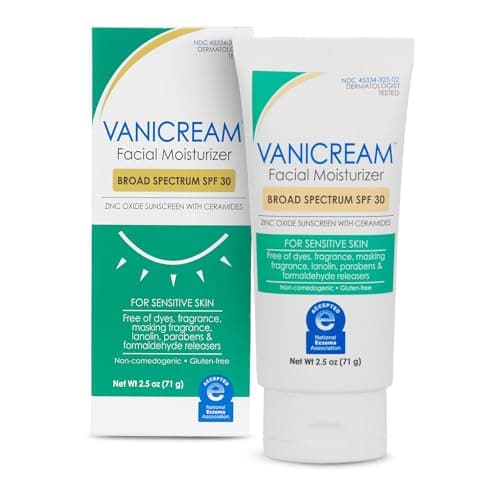 Vanicream Facial Moisturizer SPF 30Best overall · SPF 30 | A daily face SPF on skin that reacts to almost everything | $13.97 · View on Amazon #ad We earn from qualifying purchases · Price as of November 2, 2026 |
| 2 | 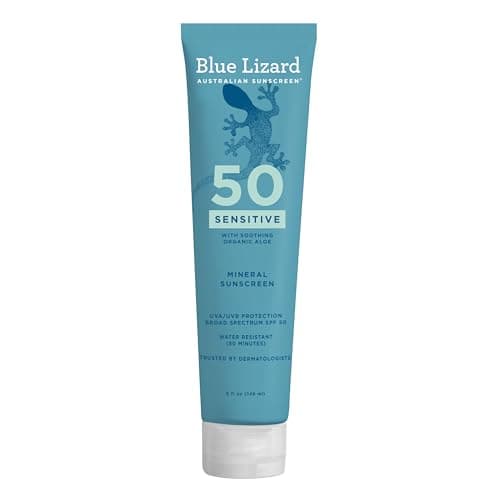 Blue Lizard Sensitive Mineral Sunscreen SPF 50+Best for the body · SPF 50+ | Arms, legs and anywhere a face tube would run out in a week | $12.91 · View on Amazon #ad We earn from qualifying purchases · Price as of November 2, 2026 |
| 3 | 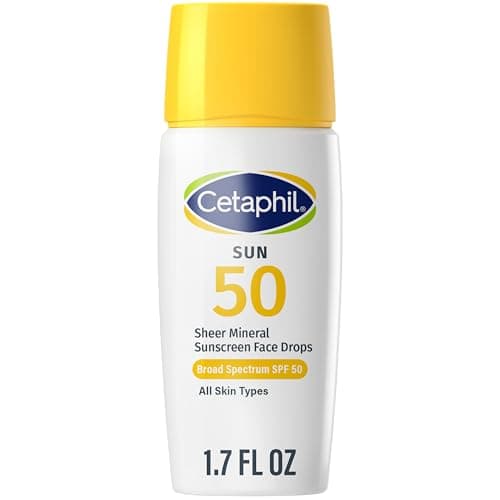 Cetaphil Sheer Mineral Face Sunscreen SPF 50Best value for the face · SPF 50 | A plain, unscented daily face SPF without the dermatology-counter price | $12.59 · View on Amazon #ad We earn from qualifying purchases · Price as of November 2, 2026 |
| 4 | 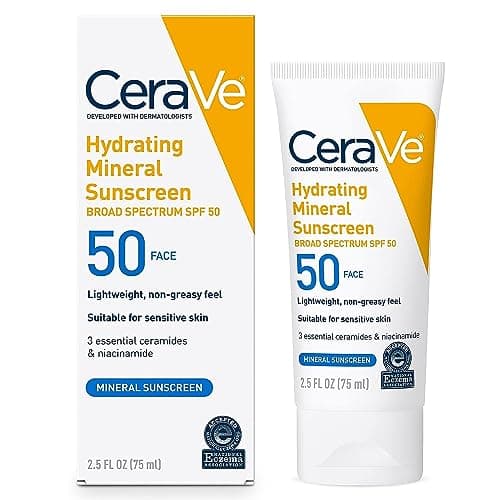 CeraVe Hydrating Mineral Sunscreen SPF 50 FaceBest barrier-repair base · SPF 50 | Eczema-prone skin that is also dehydrated | $13.97 · View on Amazon #ad We earn from qualifying purchases · Price as of November 2, 2026 |
| 5 | 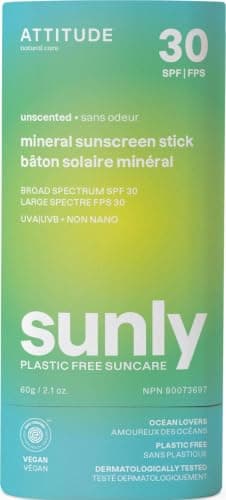 ATTITUDE Mineral Sunscreen Stick SPF 30 UnscentedBest stick for reactive patches · SPF 30 | Treating one flaring area differently from the rest of your face | $11.45 · View on Amazon #ad We earn from qualifying purchases · Price as of November 2, 2026 |
| 6 | 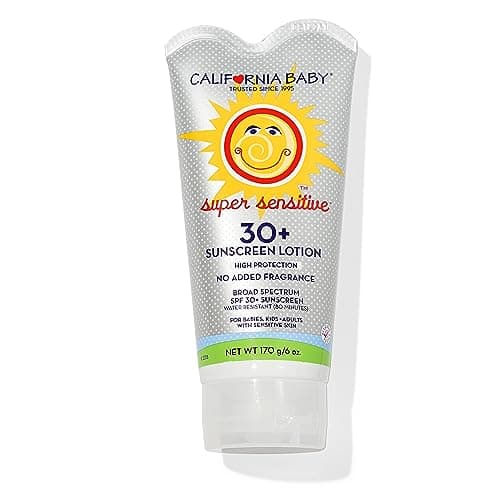 California Baby Super Sensitive Broad Spectrum SPF 30+Best for children with eczema · SPF 30+ | A child whose skin reacts and who has already rejected two other bottles | $47.99 · View on Amazon #ad We earn from qualifying purchases · Price as of November 2, 2026 |
| 7 | 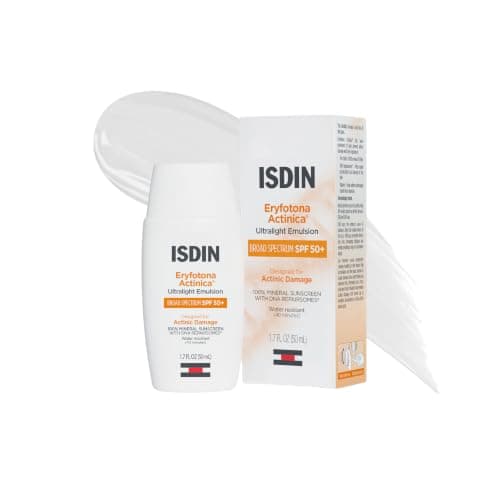 ISDIN Eryfotona Actinica Mineral Sunscreen SPF 50+Best for sun-damaged or post-treatment skin · SPF 50+ | Eczema-prone skin that also has actinic damage or has had a procedure | $46.00 · View on Amazon #ad We earn from qualifying purchases · Price as of November 2, 2026 |
How we chose these
We started from the only published external standard written specifically for this skin, then applied the practical constraints that decide whether a product survives contact with an actual eczema routine.
- Mineral actives. Zinc oxide or titanium dioxide, which sit on the skin rather than absorbing into it, and which the National Eczema Association's seal program is restricted to. This is not because chemical filters are dangerous — it is because they are more often implicated in stinging on compromised skin.
- Fragrance-free, and light on botanicals. Fragrance is the single most common trigger in this category, and essential oils are fragrance by another name. A short ingredient list is a feature, not a marketing angle.
- A base that does some of the moisturizing work. Eczema skin needs emollient more than it needs anything else, and a sunscreen that fights the moisturizer underneath it will not be worn.
- Honest water-resistance labeling. Several of the best formulas for this skin make no water-resistance claim at all, because they are daily face products. We say so on each card rather than letting a reader assume beach performance.
- Currently sold in the US, confirmed on the retailer listing before it went on this page. We do not run patch tests or laboratory work and there are no scores here for that reason. Our methodology.
Our picks in detail
01 · Best overall
Vanicream Facial Moisturizer SPF 30
Vanicream · Read our Vanicream review
Zinc oxide in a base Vanicream formulates without common irritants — no fragrance, no dyes, no botanical extracts. It is the formulation philosophy this whole page argues for, in the product most likely to be tolerated.
- Actives:
- Zinc oxide, in a base Vanicream formulates without common irritants
- SPF:
- SPF 30
- Water resistance:
- Not claimed — a daily facial moisturizer, not a water-resistant sunscreen
- Reef status:
- Zinc only — no oxybenzone, octinoxate or octocrylene
- Best for:
- A daily face SPF on skin that reacts to almost everything
What works
- Fragrance-free, dye-free, and deliberately short on everything else
- Moisturizer and SPF in one step, which suits a routine that already has several
- Inexpensive for a dermatology-counter-style formula
The trade-off
- No water-resistance claim — this is a daily face product, not a beach sunscreen
- SPF 30 rather than 50, so the margin for under-application is smaller
- 2.5 oz does not go far if you are using it on the neck and chest too
#ad We earn from qualifying purchases · Price as of November 2, 2026
02 · Best for the body
Blue Lizard Sensitive Mineral Sunscreen SPF 50+
Blue Lizard · Read our Blue Lizard review
100% mineral actives with 80 minutes of water resistance, in a 5 oz tube at a price that lets you apply the full dose without rationing. The body counterpart to the face pick above.
- Actives:
- Zinc oxide and titanium dioxide
- SPF:
- SPF 50+
- Water resistance:
- 80 minutes
- Reef status:
- Mineral filters only; the Sensitive formula omits oxybenzone and octinoxate
- Best for:
- Arms, legs and anywhere a face tube would run out in a week
What works
- Mineral actives with a real water-resistance claim, unlike most sensitive-skin face formulas
- Tube size makes applying the correct amount realistic
- Widely stocked, so replacing it mid-trip is easy
The trade-off
- Contains aloe and is not as stripped-back as the Vanicream or Cetaphil formulas
- Leaves more cast than the sheer face products here
- Thick enough that it drags on dry skin unless there is moisturizer underneath
#ad We earn from qualifying purchases · Price as of November 2, 2026
03 · Best value for the face
Cetaphil Sheer Mineral Face Sunscreen SPF 50
Cetaphil
100% zinc oxide, unscented, and sheer enough to wear daily — Cetaphil has been the other default answer for reactive skin for decades, and this is the sunscreen version of that.
- Actives:
- 100% mineral — zinc oxide
- SPF:
- SPF 50
- Water resistance:
- Not claimed on the face formula
- Reef status:
- Zinc only — no oxybenzone, octinoxate or octocrylene
- Best for:
- A plain, unscented daily face SPF without the dermatology-counter price
What works
- Unscented and 100% mineral at drugstore pricing
- Sheerer than most zinc formulas at this price
- SPF 50 rather than 30
The trade-off
- No water-resistance claim on the face formula
- 1.7 oz is a small bottle for daily use
- Still leaves a slight cast on deeper skin tones
#ad We earn from qualifying purchases · Price as of November 2, 2026
04 · Best barrier-repair base
CeraVe Hydrating Mineral Sunscreen SPF 50 Face
CeraVe · Read our CeraVe review
Zinc oxide and titanium dioxide over a base built around hyaluronic acid and niacinamide, from the brand whose entire identity is barrier repair. The pick when the moisturizing matters as much as the SPF.
- Actives:
- Zinc oxide and titanium dioxide, with ceramides and hyaluronic acid
- SPF:
- SPF 50
- Water resistance:
- 40 minutes
- Reef status:
- Mineral filters only
- Best for:
- Eczema-prone skin that is also dehydrated
What works
- Base does real moisturizing work rather than just carrying the filters
- Fragrance-free, and very widely available
- Travel size makes it cheap to try before committing
The trade-off
- Niacinamide is well tolerated by most people but not by everyone — patch test
- Noticeably heavier than the sheer picks here
- The travel size is poor value per ounce if it becomes your daily
#ad We earn from qualifying purchases · Price as of November 2, 2026
05 · Best stick for reactive patches
ATTITUDE Mineral Sunscreen Stick SPF 30 Unscented
ATTITUDE
An unscented zinc oxide stick, which is the format that lets you put protection on a small patch without dragging a lotion across it. The tool that makes a flare-day routine workable.
- Actives:
- Non-nano zinc oxide
- SPF:
- SPF 30
- Water resistance:
- 80 minutes
- Reef status:
- Zinc only
- Best for:
- Treating one flaring area differently from the rest of your face
What works
- Unscented, zinc oxide, and EWG Verified
- Applies with pressure rather than rubbing, which irritated skin prefers
- Pocketable, so reapplication actually happens
The trade-off
- SPF 30, and sticks need several passes to reach the labeled SPF
- Impractical for anything larger than a face or the backs of the hands
- Waxy finish that some people dislike under makeup
#ad We earn from qualifying purchases · Price as of November 2, 2026
06 · Best for children with eczema
California Baby Super Sensitive Broad Spectrum SPF 30+
California Baby
Unscented, titanium dioxide, and formulated for the most reactive end of children's skin. Expensive per ounce, and the right call when the alternative is a child who fights sunscreen every morning.
- Actives:
- Non-nano titanium dioxide
- SPF:
- SPF 30+
- Water resistance:
- 80 minutes
- Reef status:
- Mineral filters only
- Best for:
- A child whose skin reacts and who has already rejected two other bottles
What works
- Unscented and mineral, with a deliberately restricted ingredient list
- Long track record on reactive children's skin
- Works on faces and bodies alike
The trade-off
- By far the highest price per ounce on this page
- Thick, and it leaves a clear white cast
- SPF 30+ rather than 50, so dose discipline matters more
#ad We earn from qualifying purchases · Price as of November 2, 2026
07 · Best for sun-damaged or post-treatment skin
ISDIN Eryfotona Actinica Mineral Sunscreen SPF 50+
ISDIN
An ultralight zinc oxide formula aimed at skin with existing sun damage, and the one on this page most likely to be recommended by a dermatologist for a specific reason rather than a general one.
- Actives:
- Zinc oxide as the sole active filter
- SPF:
- SPF 50+
- Water resistance:
- Not labeled water resistant
- Reef status:
- Zinc only
- Best for:
- Eczema-prone skin that also has actinic damage or has had a procedure
What works
- Genuinely ultralight for a zinc formula — almost no cast
- Formulated for skin that has already taken UV damage
- SPF 50+ in a sheer face texture
The trade-off
- The most expensive face option here by a wide margin
- 1.7 oz at that price makes daily full-face use costly
- Aimed at photodamage rather than at eczema specifically — patch test as you would anything
#ad We earn from qualifying purchases · Price as of November 2, 2026
The one seal that was written for this skin
Most of the marks on a sunscreen box are either unregulated or aimed at a different question. The National Eczema Association's Seal of Acceptance is the exception, and its sunscreen rule is unusually specific: it only considers physical sunscreens containing titanium, zinc and iron, it requires a fragrance-free formula, it bars the ingredients on its Ecz-clusion List, and it requires clinical safety testing reviewed by a panel of dermatologists and allergists.
Two things follow from that, and the second one matters more than the first. The seal is a genuinely useful filter — it is an outside body applying a published standard rather than a brand calling itself gentle. But the absence of a seal tells you very little, because applying costs money and plenty of excellent fragrance-free mineral formulas have simply never been submitted. Use the seal to shortlist, never to disqualify. The NEA's product directory is the place to check a specific product, and we link there rather than restating a seal list that goes stale. Dermatologist-recommended sunscreens covers what that seal and the Skin Cancer Foundation's do and do not mean.
Where sunscreen goes in an eczema routine
Order is the part people get wrong, and getting it wrong is a common reason a sunscreen that should be fine stings anyway.
- Any prescribed topical first, on the areas it was prescribed for, and let it absorb. Layering sunscreen straight on top of a freshly applied medicated cream can both dilute it and drag it somewhere it was not meant to go.
- Emollient or moisturizer next, on everything. This is the treatment; sunscreen is protection sitting on top of it.
- Wait a few minutes. Not a rule anyone enforces, but applying sunscreen into a wet layer of moisturizer thins it unpredictably and is the most common way people end up with less protection than the label says.
- Sunscreen last, as the final layer on skin, before any makeup. Where sunscreen goes in your routine has the general version of this.
Flare skin and settled skin are two different questions
Almost every page on this subject writes as though eczema is one state. It is not, and the right answer changes with it.
| Skin state | Sunscreen approach | What does the heavy lifting |
|---|---|---|
| Settled, intact skin | A normal fragrance-free mineral sunscreen, applied at the full dose | The sunscreen |
| Dry and itchy but unbroken | The same, over a generous emollient layer, and a stick for anywhere that stings | The emollient underneath |
| Active flare, skin intact | Minimal product on the flaring area; normal sunscreen everywhere else | Clothing and shade |
| Cracked, weeping or raw | No sunscreen on the affected skin at all | Clothing, shade and your clinician |
This is why a stick earns a place in an eczema kit that it would not earn otherwise. A stick lets you treat a small reactive patch differently from the rest of your face without carrying two bottles, and it goes on without the dragging that a lotion requires. The best sunscreen sticks covers the format in general, including how many passes it takes to reach the labeled SPF.
What actually causes most reactions
Worth being precise, because the folk wisdom here points at the wrong suspect. Most sunscreen reactions on eczema-prone skin are irritant contact reactions to the base rather than true allergy to a filter, and the usual culprits are fragrance, essential oils and botanical extracts, with preservatives some way behind. True photoallergic reactions to a chemical filter exist and are genuinely uncommon.
The diagnostic detail worth knowing: if a rash appears only where the sun then hit, and not where the same product went on under clothing, that pattern points to a photoallergic reaction to a filter rather than an irritant reaction to the base — and it changes the answer from change the base to change the filter. Sunscreen allergy and rash goes through it properly.
Either way, patch test before committing a face: a small amount on the inner forearm twice a day for several days. On eczema-prone skin that step is worth making routine rather than exceptional.
SPF 30 or SPF 50 for eczema?
Take whichever one you will apply properly and reapply. SPF 30 filters about 97% of UVB and SPF 50 about 98%, and the gap between them is far smaller than the gap between the labeled dose and what people actually apply. Several of the best-tolerated formulas for this skin are SPF 30, and an SPF 30 worn generously beats an SPF 50 used sparingly because it stings. SPF 30 versus SPF 50 has the numbers, and how much sunscreen to apply has the dose.
Children with eczema
The formulation logic is identical and the compliance stakes are higher, because a child who associates sunscreen with stinging will fight it for years. That is its own page: the best sunscreen for kids with eczema and sensitive skin, which weights sting and texture far more heavily than this one does. For infants under six months the answer is not a bottle at all — see sunscreen for babies under six months.
The part that is not sunscreen
On eczema-prone skin, covering up outperforms applying, and by a wider margin than it does for anyone else — because clothing does not sting, does not need reapplying onto irritated skin, and does not have a base to react to. A UPF 50+ shirt removes the torso and arms from the question entirely and shrinks the problem to a face and two hands.
And if a burn has already happened on this skin, the usual advice needs adjusting: after-sun care covers what helps, including the numbing ingredient that is a particularly bad idea on a reactive barrier. For skin that is healing from a procedure or a damaged barrier rather than eczema specifically, the best sunscreen for a compromised skin barrier is the closer match.
Sources
- About the NEA Seal of Acceptance — National Eczema Association
- Sunscreen FAQs — American Academy of Dermatology
- Sunscreen — Skin Cancer Foundation
- Sunscreen: How to Help Protect Your Skin from the Sun — U.S. Food and Drug Administration
- How to prevent skin cancer — American Academy of Dermatology
Frequently asked questions
What sunscreen is best for eczema?
A fragrance-free mineral formula with a short ingredient list, applied over your usual emollient. Zinc oxide or titanium dioxide rather than chemical filters, no essential oils or botanical extracts, and a base that moisturizes rather than fights the moisturizer underneath it.
Why does sunscreen sting my eczema?
Usually the base rather than the filters. Fragrance, essential oils and botanical extracts are the common irritants, and they sting more on a compromised barrier. Applying over broken or freshly moisturized skin makes it worse. Switching brands without switching to a fragrance-free mineral formula rarely helps.
Does the National Eczema Association seal mean a sunscreen is safe for me?
It means an outside body applied a published standard: physical sunscreens containing titanium, zinc and iron only, fragrance-free, no Ecz-clusion List ingredients, and clinical safety testing reviewed by dermatologists and allergists. It is a good shortlisting filter, but no seal predicts an individual reaction, and plenty of suitable products have simply never been submitted.
Should I put sunscreen on an eczema flare?
Not on skin that is cracked, weeping or raw — it will sting and it is the wrong tool. Cover the area with clothing instead and use sunscreen normally everywhere the skin is intact. Once the skin has healed, go back to applying.
Does sunscreen go on before or after moisturizer with eczema?
After. Any prescribed topical first and let it absorb, then emollient on everything, then sunscreen as the last layer on skin. Applying sunscreen into a still-wet moisturizer layer thins it unpredictably.
Is mineral or chemical sunscreen better for eczema?
Mineral, in practice. It is not that chemical filters are unsafe — it is that they are more often implicated in stinging on a compromised barrier, and the National Eczema Association's seal program only considers physical sunscreens. If a mineral formula still reacts, the base is the more likely culprit than the filter.
Can sunlight make eczema better or worse?
Both are reported, and it varies by person. Some people find their eczema settles in summer; others flare with heat and sweat. Sunburn is bad for any skin and worse for a compromised barrier, so protection is not optional either way. Talk to your clinician about your own pattern rather than generalizing from someone else's.
Read next

Kids & Baby
The best sunscreen for kids with eczema and sensitive skin
Fragrance-free mineral formulas with short ingredient lists, plus what actually triggers reactions.

Reef-Safe & Ingredients
Sunscreen allergy and sunscreen rash
What actually causes a sunscreen rash, why fragrance is the usual culprit rather than the filters, and the formulas to fall back on.
Reef-Safe & Ingredients
The best sunscreen for sensitive skin
Fragrance-free mineral formulas for reactive skin, chosen on the inactive ingredients.
Reef-Safe & Ingredients
The best sunscreen for a compromised skin barrier
Sunscreen for skin that is mid-flare, post-procedure or over-exfoliated: short mineral panels, barrier ingredients, and the formats you can apply without dragging.
Sun Safety
Dermatologist-recommended sunscreens
What a seal on a sunscreen box actually certifies, which products carry one, and why several sunscreens we rate highly carry none.
Face & Tinted SPF
The best sunscreen to wear under makeup
SPFs that sit cleanly under foundation without pilling, plus why pilling happens and how to reapply over a finished face.