Face & Tinted SPF
The best sunscreen to wear under makeup
The reason your foundation rolls off at 11 a.m. is usually the layer underneath it, and it is fixable without giving up either one.
Disclosure: Spf & Shore earns commission from qualifying purchases made through links on this page, at no extra cost to you. It does not change which products we recommend. Read the full disclosure.
Our overall pick is EltaMD UV Clear SPF 46 — oil-free, no cast, and the sunscreen most often already sitting in the drawer of people who wear makeup every day. If you want the lightest possible layer under foundation, Supergoop! Unseen is a clear gel that behaves like a primer; if you want zinc at a drugstore price, CeraVe Invisible Mineral is the value answer.
The useful thing to understand before buying anything: pilling is a compatibility problem between layers, not a defect in your sunscreen. Those little rolls of product are usually film formers and silicones in two adjacent layers refusing to mix, made worse by applying the second layer before the first has set. A different sunscreen often fixes it. So does waiting ninety seconds, which costs nothing.
And one thing worth saying plainly on a page that earns commission: the sunscreen that works under your makeup is mostly decided by your foundation, which we cannot see. Everything below is chosen to raise the odds, not to guarantee them.
Quick picks
Tap any row to read the full write-up below.
| # | Product | Best for | Price |
|---|---|---|---|
| 1 | 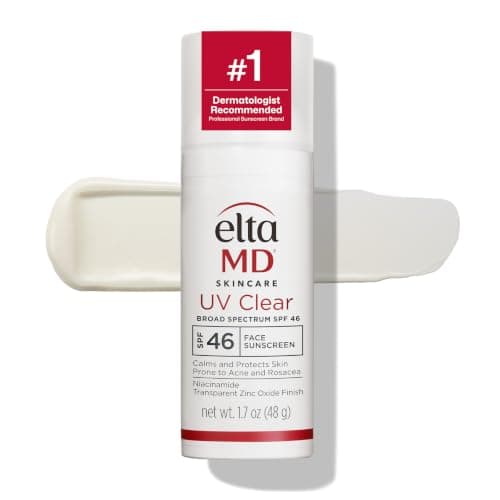 EltaMD UV Clear Broad-Spectrum SPF 46Best overall · SPF 46 | Daily wear under foundation on normal, oily or acne-prone skin | $46.00 · View on Amazon #ad We earn from qualifying purchases · Price as of November 2, 2026 |
| 2 | 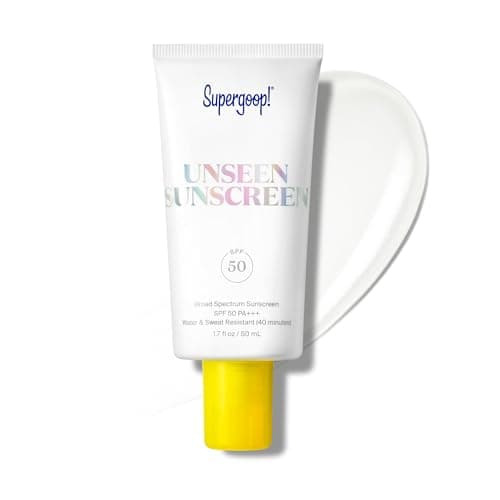 Supergoop! Unseen Sunscreen SPF 50Best primer feel · SPF 50 | Anyone who wants the thinnest possible layer under makeup | $38.00 · View on Amazon #ad We earn from qualifying purchases · Price as of November 2, 2026 |
| 3 | 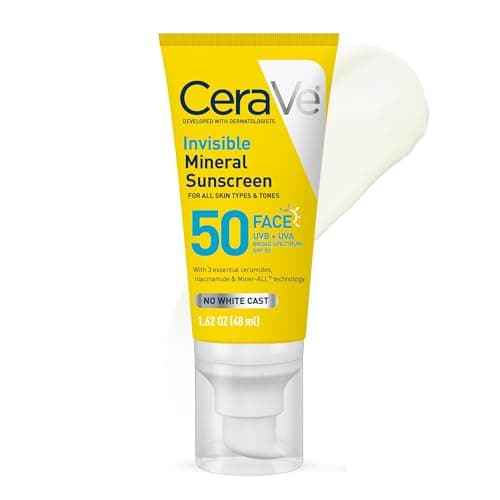 CeraVe Invisible Mineral Sunscreen SPF 50Best value · SPF 50 | Daily zinc under makeup without the counter price | $13.97 · View on Amazon #ad We earn from qualifying purchases · Price as of November 2, 2026 |
| 4 | 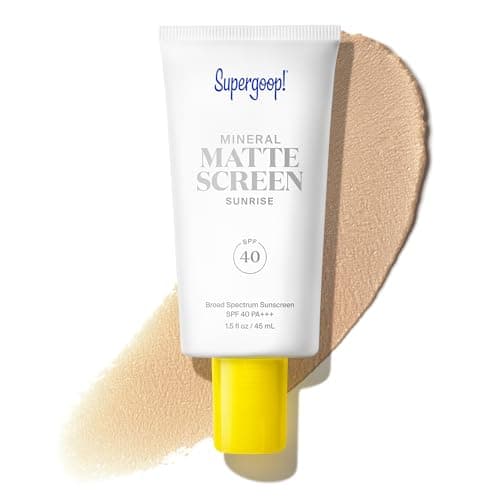 Supergoop! Mattescreen Mineral Tinted Face Sunscreen SPF 40Best for oily skin · SPF 40 | Shine control on skin where foundation breaks up by midday | $40.00 · View on Amazon #ad We earn from qualifying purchases · Price as of November 2, 2026 |
| 5 | 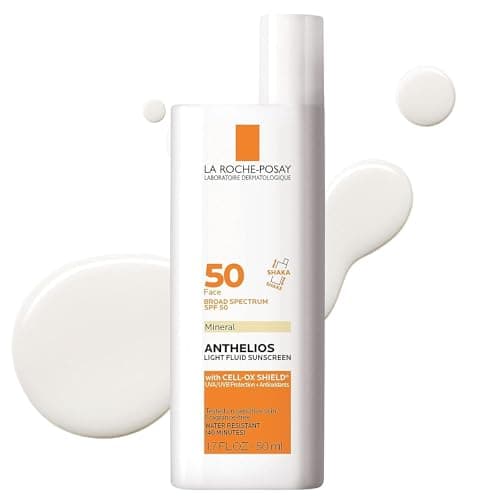 La Roche-Posay Anthelios Mineral SPF 50 Face SunscreenBest matte mineral · SPF 50 | A lightweight untinted mineral layer with a matte finish | $29.99 · View on Amazon #ad We earn from qualifying purchases · Price as of November 2, 2026 |
| 6 | 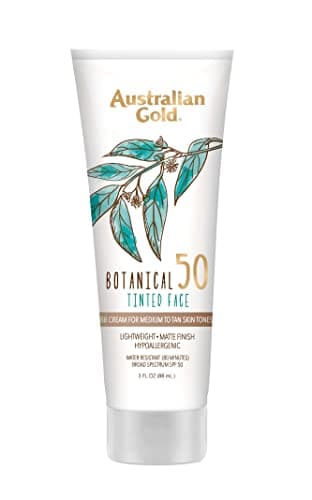 Australian Gold Botanical Tinted Face BB Cream SPF 50Best tinted, no foundation needed · SPF 50 | Replacing foundation and sunscreen with one step | |
| 7 | 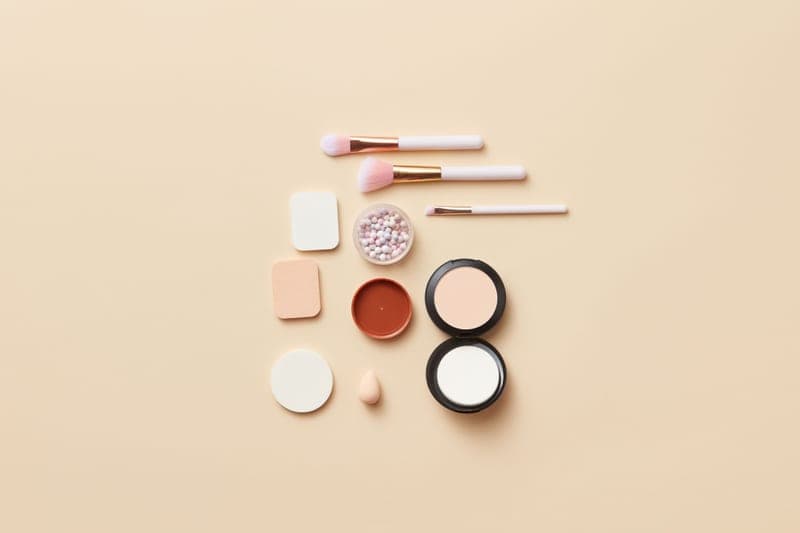 Colorescience Sunforgettable Total Protection Brush-On Shield SPF 50Best for reapplying over makeup · SPF 50 | Renewing SPF at lunchtime without redoing your face |
How we chose these
This is a texture category, and texture is where most roundups quietly turn into guesswork. So the criteria here are the properties a brand actually publishes, plus the structural facts about how layers interact — not claims about how a product feels that we are in no position to make.
- A finish that gives makeup something to hold. Very emollient sunscreens stay slippery and foundation moves on top of them. Matte and satin finishes grip.
- No cast, or a tint that replaces a step. Under makeup, a white cast is either invisible or a disaster depending on your foundation shade — a tinted SPF sidesteps the question entirely.
- Oil-free where the skin is oily. Oil in the sunscreen plus oil in the skin plus a long day is the standard breakdown pattern.
- A real reapplication answer. A sunscreen you cannot renew over a finished face is half a product. One pick here exists specifically for that problem.
- Currently sold in the US, confirmed on the retailer listing before it went on this page. We do not run wear tests and there are no scores here for that reason. Our methodology.
Our picks in detail
01 · Best overall
EltaMD UV Clear Broad-Spectrum SPF 46
EltaMD · Read our EltaMD review
Oil-free, untinted, no cast, and the one most likely to already be in the drawer of someone who wears makeup and sunscreen every day. It gives foundation a clean, non-slippery surface to sit on.
- Actives:
- Zinc oxide with octinoxate; EltaMD lists 9% zinc oxide and 5% niacinamide
- SPF:
- SPF 46
- Water resistance:
- Not labeled water resistant
- Reef status:
- Contains octinoxate, which Hawaii and Key West restrict
- Best for:
- Daily wear under foundation on normal, oily or acne-prone skin
What works
- Oil-free and formulated for acne-prone and rosacea-prone skin
- No cast, so it does not fight your foundation shade
- Zinc oxide in a genuinely light face texture
The trade-off
- Dermatology-counter pricing for a 1.7 oz bottle
- SPF 46 in a daily-use texture with no water-resistance claim
- Slightly tacky as it sets — this is exactly the one to wait on before foundation
#ad We earn from qualifying purchases · Price as of November 2, 2026
02 · Best primer feel
Supergoop! Unseen Sunscreen SPF 50
Supergoop!
A clear, scentless gel that behaves like a primer and disappears on every skin tone — the reason this product has the reputation it does. Buy it for the texture, and know what you are trading for it.
- Actives:
- A clear, scentless gel. Supergoop does not list the actives on its retailer listing, and this sits outside its mineral range — read the panel if you need a zinc formula
- SPF:
- SPF 50
- Water resistance:
- Not claimed
- Reef status:
- Not a mineral formula — check the actives panel if you need oxybenzone-free
- Best for:
- Anyone who wants the thinnest possible layer under makeup
What works
- Completely clear, so shade and cast are a non-issue at any skin tone
- Gel texture grips foundation rather than sliding under it
- Scentless, which matters more than people expect on a face
The trade-off
- Not a mineral formula, and Supergoop does not list the actives on the retailer listing — read the panel if you need zinc
- The most expensive per ounce of the untinted picks here
- Silicone-forward feel that some water-based foundations will pill against
#ad We earn from qualifying purchases · Price as of November 2, 2026
03 · Best value
CeraVe Invisible Mineral Sunscreen SPF 50
CeraVe · Read our CeraVe review
Zinc oxide with niacinamide and vitamin E in a face formula CeraVe built to disappear. The budget answer for anyone who wants a mineral filter and a makeup-friendly finish in the same bottle.
- Actives:
- Zinc oxide, with niacinamide and vitamin E in the base
- SPF:
- SPF 50
- Water resistance:
- Not claimed on this face formula
- Reef status:
- Zinc only — no oxybenzone, octinoxate or octocrylene
- Best for:
- Daily zinc under makeup without the counter price
What works
- Mineral filter at drugstore pricing
- Fragrance-free and oil-free
- Barrier-friendly base from a brand built around that
The trade-off
- Invisible is a relative claim — deeper skin tones may still see a trace of cast
- 1.62 oz travel size, which is poor value per ounce as a daily
- No water-resistance claim
#ad We earn from qualifying purchases · Price as of November 2, 2026
04 · Best for oily skin
Supergoop! Mattescreen Mineral Tinted Face Sunscreen SPF 40
Supergoop!
A tinted mineral SPF with a matte, oil-free finish — the combination that keeps foundation where you put it on skin that produces enough oil to move it.
- Actives:
- Mineral, tinted, oil-free — the listing names it a mineral tinted face sunscreen
- SPF:
- SPF 40
- Water resistance:
- Water and sweat resistant per the brand; no tested duration on the listing
- Reef status:
- Mineral formula — no oxybenzone, octinoxate or octocrylene claimed
- Best for:
- Shine control on skin where foundation breaks up by midday
What works
- Matte finish genuinely helps makeup last on oily skin
- Mineral and tinted, so cast and shade are handled together
- Doubles as a light base on days you skip foundation
The trade-off
- Expensive, and the 45 mL size makes that worse
- A neutral tint is one shade — it will not suit every complexion
- Matte finishes emphasize dry patches and flaking
#ad We earn from qualifying purchases · Price as of November 2, 2026
05 · Best matte mineral
La Roche-Posay Anthelios Mineral SPF 50 Face Sunscreen
La Roche-Posay
A fast-absorbing titanium dioxide fluid with a matte finish and an oil-free base — the European-pharmacy answer, and a reliable surface for foundation.
- Actives:
- Titanium dioxide with antioxidants
- SPF:
- SPF 50
- Water resistance:
- 40 minutes
- Reef status:
- Mineral filters only
- Best for:
- A lightweight untinted mineral layer with a matte finish
What works
- Fluid texture absorbs faster than most mineral face formulas
- Matte finish that foundation holds onto
- Oil-free and widely stocked
The trade-off
- Titanium dioxide can read ashy on deeper skin tones
- Fluid format is easy to under-dispense, which means under-applying
- Fragranced, unlike the eczema-friendly picks elsewhere on this site
#ad We earn from qualifying purchases · Price as of November 2, 2026
06 · Best tinted, no foundation needed
Australian Gold Botanical Tinted Face BB Cream SPF 50
Australian Gold · Read our Australian Gold review
A tinted mineral BB cream with a matte finish and a real water-resistance claim, at a fraction of what tinted mineral SPF usually costs. The pick if the goal is fewer layers rather than better layering.
- Actives:
- Zinc oxide and titanium dioxide, tinted
- SPF:
- SPF 50
- Water resistance:
- 80 minutes
- Reef status:
- Mineral filters only
- Best for:
- Replacing foundation and sunscreen with one step
What works
- Tint removes the cast problem and the foundation step at once
- Matte and water-resistant, which most tinted face SPFs are not
- Far cheaper than the dermatology-counter tinted options
The trade-off
- One shade range, aimed at medium to tan tones
- Coverage is light — it will not replace a full-coverage foundation
- Stock on this listing runs thin; check before counting on it
07 · Best for reapplying over makeup
Colorescience Sunforgettable Total Protection Brush-On Shield SPF 50
Colorescience · Read our Colorescience review
A brush-on mineral powder, which is the only format that genuinely goes over finished makeup without disturbing it. Included for the job it does, with the dose caveat stated plainly rather than buried.
- Actives:
- Zinc oxide and titanium dioxide in a loose mineral powder
- SPF:
- SPF 50
- Water resistance:
- 80 minutes
- Reef status:
- Mineral filters only
- Best for:
- Renewing SPF at lunchtime without redoing your face
What works
- Goes over a finished face with no disruption at all
- Self-contained brush, so it lives in a bag and gets used
- Mineral filters, with no stinging risk near the eyes
The trade-off
- Reaching the labeled SPF from a powder takes far more product than most people apply
- Expensive, and it is an addition to a sunscreen rather than a replacement for one
- No confident retailer listing match, so this one links to a search rather than a single product page
Why sunscreen pills under foundation
Pilling has three ordinary causes and one that nobody mentions.
- You did not wait. The most common cause by a distance. Sunscreen needs to set before anything goes on top of it — if the surface is still wet, the next layer drags it into rolls. A minute or two of doing something else fixes more pilling than any product swap.
- Incompatible film formers. Water-based gels under silicone-heavy foundations, or the reverse, separate rather than blend. This is chemistry, not quality, and the fix is to match: silicone under silicone, water-based under water-based.
- Too much product. A thick layer of anything has more to roll. The irony here is real, because the correct sunscreen dose for a face is about a quarter teaspoon and most people under-apply — so the answer is not less sunscreen, it is the next point.
- You rubbed instead of pressed. Buffing a foundation brush in circles over a fresh SPF layer lifts it. Pressing or stippling does not. This is the one that fixes the pilling people assume is unfixable, and it costs nothing to try.
Mineral or chemical under makeup?
Under makeup specifically, this is more of a texture question than it is anywhere else on this site, and it is worth being honest that the two sides trade real advantages.
| Mineral (zinc, titanium) | Chemical | |
|---|---|---|
| Cast | Can leave one, which fights with foundation shade | None, which is why clear gels are chemical |
| Finish | Often slightly matte and grippy, which makeup likes | Ranges from dewy to dry-touch depending on the formula |
| Layer thickness | Sits on top of skin, so it is a more physical layer | Absorbs, so the layer is thinner |
| Sensitive or reactive skin | The safer default — see the best sunscreen for eczema | More often implicated in stinging |
Our bias on this site is mineral, for reasons set out in mineral versus chemical sunscreen. Under makeup we will say the obvious thing instead: the invisible-gel category exists because chemical filters can be clear and mineral ones cannot, and if a clear layer is what makes you wear SPF daily, that is worth more than a filter preference. Why mineral sunscreen leaves a white cast explains why that trade-off is physical rather than a formulation failure.
Tinted SPF as a foundation replacement
The cleanest solution to the whole layering problem is to stop having two layers. A tinted mineral SPF with enough pigment covers like a light base, and iron oxides add protection against visible light that an untinted sunscreen does not offer — which is a genuine protective argument, not just a cosmetic one, particularly for melasma and post-inflammatory pigmentation.
The limits are real: tinted SPF gives you one finish and a narrow shade range, and it will not cover what a full-coverage foundation covers. Tinted versus untinted sunscreen sets out the trade, iron oxides and visible light covers the protection claim, and the best tinted sunscreens is the roundup if you want to go that way.
Reapplying without starting over
This is where almost everyone gives up, and it is why the reapplication pick is on this page at all. Sunscreen needs renewing roughly every two hours of exposure, and nobody is washing off a full face at lunchtime to do it.
- A brush-on mineral powder is the only format that genuinely goes over a finished face without disturbing it. The honest caveat: reaching the labeled SPF from a powder takes far more product than people use.
- A setting-mist SPF is easier to over-rely on than a powder, for the same dose reason, and misting near the eyes and mouth has its own problems — the same dose-versus-feel gap that makes spray sunscreens underperform on a body.
- A stick works on the places that matter most and that makeup rarely covers anyway — the tops of the ears, the hairline, the bridge of the nose.
- Honest option four: stop relying on reapplication. A wide-brim hat does more for a face between noon and two than any reapplication routine you will actually keep. Our hat picks.
Reapplying sunscreen over makeup is the long version of this, including what each format realistically delivers.
The order, start to finish
- Skincare, and let it absorb.
- Moisturizer, if it is a separate step from your sunscreen.
- Sunscreen — the last skincare layer, never under moisturizer. Where sunscreen goes in your routine.
- Wait. A minute, two if you can. This is the step that fixes pilling.
- Primer if you use one, then foundation — pressed or stippled, not buffed in circles.
One thing that is not on that list: mixing sunscreen into foundation or moisturizer to save a step. It dilutes the filters by an amount nobody can calculate, and the SPF on the bottle no longer describes what is on your face. Mixing sunscreen with moisturizer covers why.
If your skin leans oily or breaks out, the best sunscreen for oily skin and for acne-prone skin narrow this list further, and does mineral sunscreen clog pores answers the question that usually comes next.
Sources
- Sunscreen: How to Help Protect Your Skin from the Sun — U.S. Food and Drug Administration
- Sunscreen FAQs — American Academy of Dermatology
- Sunscreen — Skin Cancer Foundation
- Questions and Answers: FDA Requirements for Over-the-Counter Sunscreen Products — U.S. Food and Drug Administration
- How to prevent skin cancer — American Academy of Dermatology
Frequently asked questions
What sunscreen works best under makeup?
One with a matte or satin finish that gives foundation something to grip, no cast to fight your shade, and an oil-free base if your skin is oily. A clear gel is the thinnest layer; a tinted mineral SPF removes the layering problem by replacing the foundation step.
Why does my sunscreen pill under foundation?
Usually because the sunscreen had not set before the next layer went on, or because the two layers use incompatible film formers — a water-based gel under a silicone foundation, or the reverse. Waiting a minute or two and pressing rather than buffing your foundation fixes most of it.
Does sunscreen go on before or after primer?
Before. Sunscreen is the last skincare step and primer is the first makeup step, so the order is skincare, moisturizer, sunscreen, wait, primer, foundation.
Can I use a foundation with SPF instead of sunscreen?
Not as your only protection. The SPF on a foundation is tested at the standard sunscreen dose, which is far more product than anyone applies as makeup, so the real-world protection is a fraction of the number on the bottle. Treat SPF in makeup as a bonus on top of a sunscreen layer.
How do you reapply sunscreen over makeup?
A brush-on mineral powder is the only format that goes over a finished face without disturbing it, with the honest caveat that reaching the labeled SPF from a powder takes far more product than most people use. A stick works for the ears, hairline and nose. A hat does more than either between noon and two.
Should I mix sunscreen into my foundation?
No. Diluting a sunscreen with another product changes the concentration of the filters by an amount nobody can calculate, and the SPF on the bottle stops describing what is on your face. Apply them as separate layers.
Is mineral or chemical sunscreen better under makeup?
Chemical filters can be clear and mineral ones cannot, which is why invisible gels are chemical. Mineral formulas often set slightly matte, which makeup grips well, and they are the safer default on reactive skin. Either works — the finish matters more than the filter here.
Read next
Face & Tinted SPF
How to reapply sunscreen over makeup
The powder, stick and mist options for topping up SPF over makeup, what each one actually delivers, and when the honest answer is to wash your face.
Face & Tinted SPF
Tinted vs untinted sunscreen
What tint adds beyond cosmetics, where untinted still wins, and how to choose between them.
Face & Tinted SPF
The best sunscreen for your face
Daily face SPF by skin type and finish, from mineral to hybrid, with the trade-off named on each.
Face & Tinted SPF
Where sunscreen goes in your routine
The correct order, why pilling happens, and how to reapply over a finished face.
Face & Tinted SPF
The best sunscreen for oily skin
Sunscreens that stay matte on oily skin, chosen on base and finish rather than filter type, with the powder that fixes midday shine.
Reef-Safe & Ingredients
The best sunscreen for eczema
Fragrance-free mineral formulas for eczema-prone skin, where sunscreen belongs in the routine, and what to do on a flare day.