Face & Tinted SPF
Tinted vs untinted sunscreen
Tint solves the cast and adds protection. Untinted wins on cost and never having to match a shade.
Disclosure: Spf & Shore earns commission from qualifying purchases made through links on this page, at no extra cost to you. It does not change which products we recommend. Read the full disclosure.
Tinted mineral sunscreen contains iron oxides, which cancel the white cast of zinc and titanium and also absorb visible light — a wavelength range UV filters barely touch and one implicated in melasma and hyperpigmentation. Untinted sunscreen costs less, never has a shade-matching problem, and works on a body where a tint would transfer onto clothing. For most people wearing SPF on their face daily, tinted is the better choice.
| Tinted | Untinted | |
|---|---|---|
| White cast | Canceled by iron oxides | Present on all mineral formulas |
| Visible-light protection | Yes, from the iron oxides | Minimal |
| Shade matching required | Yes | No |
| Works on deep skin | Yes, if the shade range reaches | Rarely |
| Suits the body | No — transfers onto clothing | Yes |
| Cost | Higher | Lower |
| Doubles as makeup | Often | No |
| Good for | Daily facial wear, melasma, deeper skin tones | Body, children, anyone who will not shade-match |
What the tint is actually made of
Iron oxides — pigments in red, yellow and black that, blended together, produce skin tones. They are the same pigments used in foundation. In a sunscreen they sit alongside the zinc and titanium rather than replacing any of it, which is why a tinted formula generally has the same filter load as its untinted sibling.
That is the point worth internalizing: a tint does not dilute the sunscreen. It adds a layer of pigment that both hides the whiteness and does protective work of its own.
The protective argument for tint
Zinc oxide and titanium dioxide cover ultraviolet. Neither does much against visible light — the part of the spectrum you can see — and visible light contributes to melasma and post-inflammatory hyperpigmentation. Iron oxides absorb visible light.
This is why dermatologists treating melasma routinely specify a *tinted* mineral sunscreen rather than any mineral sunscreen, and why the recommendation is particularly relevant for deeper skin tones, where those pigmentation concerns are more common. Iron oxides and visible light has the detail.
Where untinted still wins
- On a body. A tinted body lotion would transfer onto every white shirt you own. Our body picks are all untinted for that reason.
- On children. Shade-matching a wriggling seven-year-old is not a thing anybody needs to be doing, and the visible cast is genuinely useful for checking coverage.
- On cost. Tinted formulas carry a premium, and the cheapest reliable protection is an untinted body lotion in a large tube.
- When no shade matches. A badly matched tint looks worse than a light cast, and on deep skin the available ranges frequently run out. Tinted picks for deeper tones.
- Under heavy makeup. If you are applying full-coverage foundation anyway, the tint is redundant — though the visible-light protection is not.
A practical way to split it
The routine most people land on, and the one we would recommend: tinted on the face, untinted on the body. The face is where cast matters, where visible light matters most for pigmentation, and where a small, more expensive product is affordable because you use a quarter teaspoon at a time. The body is where volume and water resistance matter and where nobody is looking at your shins.
Matching a tint without a counter
- Judge in daylight. Store lighting is warm and will mislead you.
- Swatch on the jawline, not the back of your hand — different tone on most people.
- Wait ten minutes. Many formulas oxidize warmer; slightly-too-light on application often settles correctly.
- Warm and emulsify the product first, especially with encapsulated pigments, which only release when worked between the fingers.
- Prefer buildable over fixed-shade if you are between tones. Buildable formulas adapt; a fixed shade does not.
Sources
- Sunscreen FAQs — American Academy of Dermatology
- Sunscreen: How to Help Protect Your Skin from the Sun — U.S. Food and Drug Administration
- Sunscreen — Skin Cancer Foundation
Frequently asked questions
Is tinted sunscreen better than untinted?
For daily facial wear, usually yes — the tint cancels the white cast and the iron oxides add protection against visible light that UV filters do not provide. Untinted is better for the body, for children, and when no shade matches.
Does tinted sunscreen have less SPF?
No. A tinted formula generally carries the same filter load as its untinted sibling. The iron oxides sit alongside the zinc and titanium rather than replacing any of them.
Can you use tinted sunscreen on your body?
You can, but it will transfer onto clothing, and covering a body needs about an ounce of product, which makes a premium tinted formula an expensive choice. Untinted is the practical option for the body.
Does untinted sunscreen protect against blue light?
Barely. Zinc oxide and titanium dioxide cover ultraviolet and do very little against visible light, which includes the blue-light range. Iron oxides in tinted formulas are what address it.
Read next
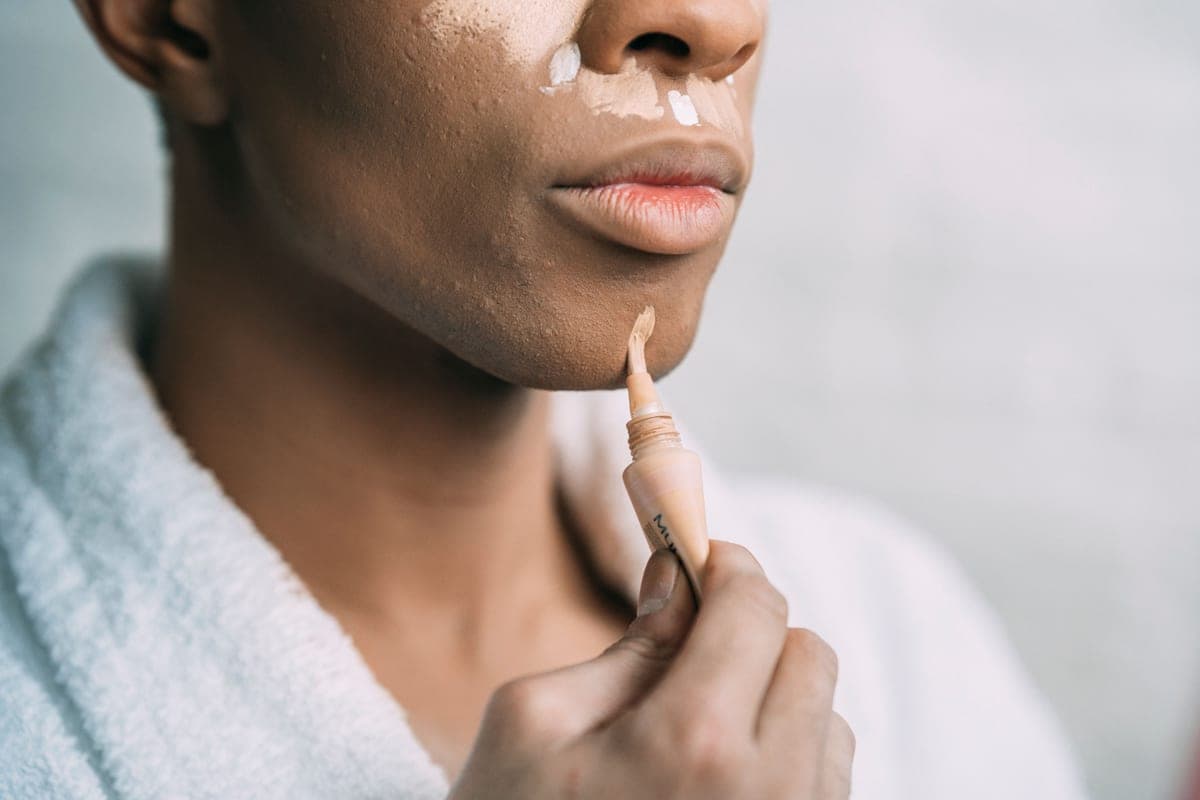
Face & Tinted SPF
Iron oxides and visible light
Why iron oxides protect as well as tint, and what that means for melasma and hyperpigmentation.

Face & Tinted SPF
The best tinted sunscreens
Tinted mineral formulas that cancel the cast and add visible-light protection, across every finish.

Face & Tinted SPF
The best tinted sunscreen for deeper skin tones
Adaptive and buildable tinted formulas for deep skin, and where the category still falls short.

Mineral Sunscreen
Why mineral sunscreen leaves a white cast
The physics behind the cast, the three levers formulators have, and which one actually solves it.
Face & Tinted SPF
Is tinted sunscreen makeup?
Why tinted SPF is legally a sunscreen, when it can replace foundation, and when it cannot.

Mineral Sunscreen
The best mineral sunscreen for your body
Mineral body formulas chosen for water resistance, spreadability and tube size — the things that decide whether you apply enough.