Face & Tinted SPF
The best sunscreen for melasma and hyperpigmentation
Melasma responds to visible light, not just ultraviolet, which is the reason a clear SPF 50 can fail on it and a tinted SPF 40 can hold.
Disclosure: Spf & Shore earns commission from qualifying purchases made through links on this page, at no extra cost to you. It does not change which products we recommend. Read the full disclosure.
Our overall pick is EltaMD UV Physical Tinted SPF 41: zinc oxide and titanium dioxide tinted with iron oxides, which is the specific combination that addresses visible light as well as ultraviolet. The budget pick is CeraVe Hydrating Mineral SPF 50 — untinted, so it does less for visible light, but cheap enough to apply the generous daily dose that pigmentation actually requires.
There is one fact that should drive every choice on this page. Melasma and post-inflammatory hyperpigmentation are triggered by visible light as well as by ultraviolet, and SPF measures ultraviolet only. That is why people with melasma report doing everything right with a high-SPF clear sunscreen and watching the patches darken anyway: the number on the bottle was never describing the part of the spectrum that was driving it.
What addresses visible light is pigment in the product. Iron oxides, the colourants that make a sunscreen tinted, absorb visible light, and that is the reason a tinted SPF 40 can outperform a clear SPF 50 on pigmentation specifically.
Quick picks
Tap any row to read the full write-up below.
| # | Product | Best for | Price |
|---|---|---|---|
| 1 | 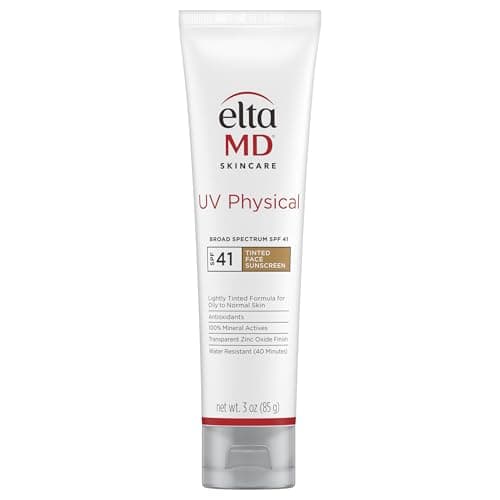 EltaMD UV Physical Tinted Broad-Spectrum SPF 41Best overall · SPF 41 | Daily wear on melasma-prone skin, as the tint and the SPF in one | $34.40 · View on Amazon #ad We earn from qualifying purchases · Price as of November 23, 2026 |
| 2 | 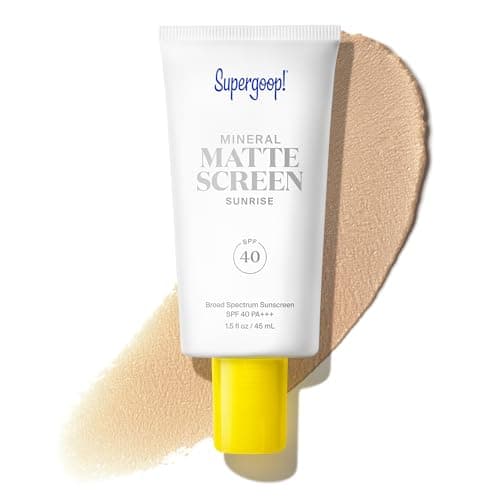 Supergoop! Mattescreen Mineral Tinted Face Sunscreen SPF 40Best tinted for oily skin · SPF 40 | Melasma on skin that goes shiny by lunchtime | $40.00 · View on Amazon #ad We earn from qualifying purchases · Price as of November 23, 2026 |
| 3 | 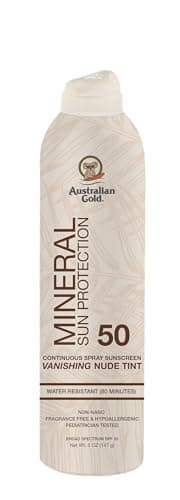 Australian Gold SPF 50 Tinted Mineral Sunscreen SprayBest tinted option for the body · SPF 50 | Pigmentation on the chest, neck and shoulders | $21.49 · View on Amazon #ad We earn from qualifying purchases · Price as of November 23, 2026 |
| 4 | 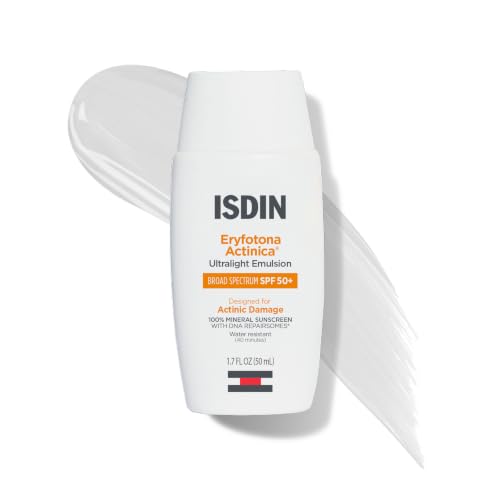 ISDIN Eryfotona Actinica Mineral Sunscreen SPF 50+Best untinted high-protection option · SPF 50+ | Skin with both melasma and a history of sun damage | $32.20 · View on Amazon #ad We earn from qualifying purchases · Price as of November 23, 2026 |
| 5 | 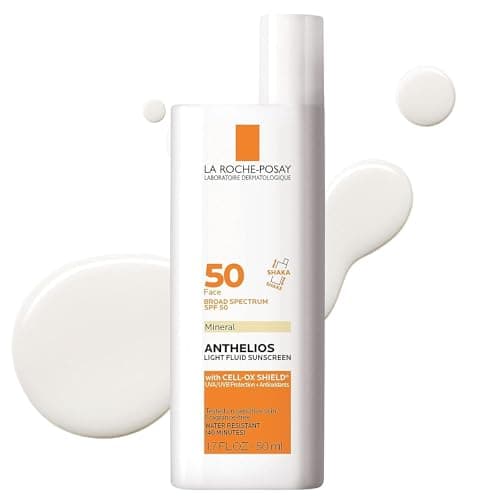 La Roche-Posay Anthelios Mineral SPF 50 Face SunscreenBest for post-procedure skin · SPF 50 | Reactive skin in the weeks after a peel or laser treatment | |
| 6 | 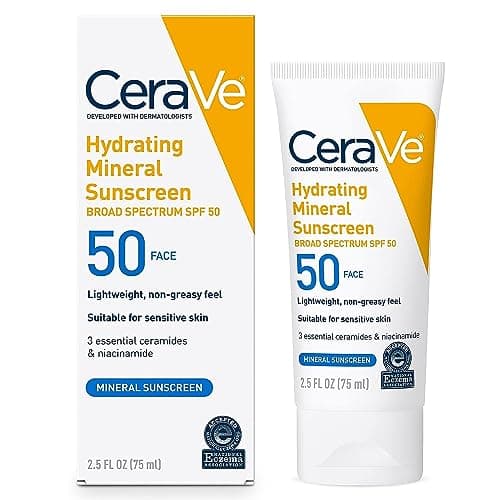 CeraVe Hydrating Mineral Sunscreen SPF 50 FaceBudget pick · SPF 50 | The daily dose and the afternoon reapplication | $13.97 · View on Amazon #ad We earn from qualifying purchases · Price as of November 23, 2026 |
Why melasma is a visible-light problem, not only a UV one
Melasma is a disorder of pigment production, usually symmetrical across the cheeks, forehead and upper lip, strongly associated with hormonal change and strongly aggravated by light. The important part for choosing a sunscreen is that the aggravating range is wider than ultraviolet: visible light, particularly at the blue-violet end, stimulates pigment in melasma-prone skin.
Ordinary sunscreen does not block visible light, because the filters are transparent. That is a design goal for every other use and a problem for this one. A tint changes it: iron oxides are opaque to visible wavelengths, so a tinted film is doing something a clear one cannot. Iron oxides and visible light is the full explanation of the mechanism.
What we looked for
- A tint, as the first criterion. On this page that outranks SPF number, because visible light is the part a higher SPF does not reach.
- Mineral filters, which also scatter some visible light and are better tolerated by the reactive, often post-procedure skin melasma treatment involves.
- SPF 30 or above with a broad-spectrum claim, both read off the US actives panel.
- A finish you will wear every single day. Pigmentation is a cumulative problem and an SPF used four days a week is most of the way to no SPF at all.
- At least one option cheap enough to use generously. Our methodology.
We run no laboratory, we do not test products, and nothing on this page is medical advice. Melasma is a condition worth seeing a dermatologist about, and sunscreen is the part of the treatment plan we can help with.
The picks compared
| Product | SPF | Filters and tint | Water resistance |
|---|---|---|---|
| EltaMD UV Physical Tinted | SPF 41 | Zinc oxide and titanium dioxide, tinted with iron oxides | 40 minutes |
| Supergoop! Mattescreen Mineral Tinted | SPF 40 | Mineral, tinted, oil-free per the listing | Claimed, no duration given |
| Australian Gold Tinted Mineral Spray | SPF 50 | 4.40% zinc oxide with 4.10% titanium dioxide, tinted | 80 minutes |
| ISDIN Eryfotona Actinica | SPF 50+ | Zinc oxide as the sole active filter, untinted | Not claimed |
| La Roche-Posay Anthelios Mineral | SPF 50 | Titanium dioxide with antioxidants, untinted | 40 minutes |
| CeraVe Hydrating Mineral Face | SPF 50 | Zinc oxide and titanium dioxide, untinted | 40 minutes |
Our picks in detail
01 · Best overall
EltaMD UV Physical Tinted Broad-Spectrum SPF 41
EltaMD · Read our EltaMD review
Zinc oxide and titanium dioxide tinted with iron oxides at SPF 41, with a 40-minute water-resistance claim. The iron oxides are the reason it leads this page: they absorb visible light, which is the part of the spectrum driving melasma and the part SPF does not describe. It also evens tone enough that many people wear it instead of a base.
- Actives:
- Zinc oxide and titanium dioxide, tinted with iron oxides
- SPF:
- SPF 41
- Water resistance:
- 40 minutes
- Reef status:
- Mineral filters only
- Best for:
- Daily wear on melasma-prone skin, as the tint and the SPF in one
What works
- Iron oxide tint addresses visible light, not just UV
- Both mineral filters, well tolerated on reactive skin
- A 40-minute water-resistance claim, unusual in a tinted face SPF
The trade-off
- One shade, which will not suit the deepest skin tones
- The most expensive pick here
- Thick enough that a correct facial dose feels heavy
#ad We earn from qualifying purchases · Price as of November 23, 2026
02 · Best tinted for oily skin
Supergoop! Mattescreen Mineral Tinted Face Sunscreen SPF 40
Supergoop!
A tinted, oil-free mineral face sunscreen at SPF 40 which the listing names as water and sweat resistant without publishing a duration. It gives you the tint that matters for pigmentation in a finish that sets properly matte, which is the combination oily, melasma-prone skin usually cannot find.
- Actives:
- Mineral, tinted, oil-free — the listing names it a mineral tinted face sunscreen
- SPF:
- SPF 40
- Water resistance:
- Water and sweat resistant per the brand; no tested duration on the listing
- Reef status:
- Mineral formula — no oxybenzone, octinoxate or octocrylene claimed
- Best for:
- Melasma on skin that goes shiny by lunchtime
What works
- Tinted, so it works on the visible-light side
- Sets matte rather than sitting wet
- Oil-free, which suits congestion-prone skin
The trade-off
- No tested water-resistance duration on the listing
- SPF 40 rather than 50
- Shade range is narrow
#ad We earn from qualifying purchases · Price as of November 23, 2026
03 · Best tinted option for the body
Australian Gold SPF 50 Tinted Mineral Sunscreen Spray
Australian Gold
A tinted mineral spray at SPF 50 with 80 minutes of water resistance, running 4.40% zinc oxide with 4.10% titanium dioxide. Melasma and post-inflammatory marks are not only a face problem, and this is the one tinted product in our registry that will cover a decolletage without reading grey. Spray into your hands for anything near the face.
- Actives:
- 4.40% zinc oxide with 4.10% titanium dioxide, tinted
- SPF:
- SPF 50
- Water resistance:
- 80 minutes
- Reef status:
- Mineral filters only
- Best for:
- Pigmentation on the chest, neck and shoulders
What works
- Tinted, so no grey cast on neck, chest or arms
- 80 minutes of water resistance at SPF 50
- Sheer tint that is forgiving across skin tones
The trade-off
- Far lower filter concentrations than the zinc-only sprays
- Spray deposits less than its tested dose unless rubbed in
- Tint can transfer onto light clothing
#ad We earn from qualifying purchases · Price as of November 23, 2026
04 · Best untinted high-protection option
ISDIN Eryfotona Actinica Mineral Sunscreen SPF 50+
ISDIN
Zinc oxide as the sole active filter at SPF 50+, in the dermatology-counter formulation of this category. It is untinted, so it does less about visible light than any tinted pick here, and it is the one to layer under a well-matched tinted base if shade matching is the thing stopping you wearing a tint.
- Actives:
- Zinc oxide as the sole active filter
- SPF:
- SPF 50+
- Water resistance:
- Not labeled water resistant
- Reef status:
- Zinc only
- Best for:
- Skin with both melasma and a history of sun damage
What works
- Zinc-only filter at SPF 50+
- Light texture that layers under makeup well
- Formulated for skin with existing actinic damage
The trade-off
- Untinted, so no visible-light benefit
- No water-resistance claim at all
- Expensive for daily full-dose use
#ad We earn from qualifying purchases · Price as of November 23, 2026
05 · Best for post-procedure skin
La Roche-Posay Anthelios Mineral SPF 50 Face Sunscreen
La Roche-Posay
Titanium dioxide with antioxidants at SPF 50 and a 40-minute water-resistance claim. Melasma treatment often involves procedures that leave skin temporarily very reactive, and a plain titanium-led mineral with a short ingredient story is usually the easiest thing to tolerate in that window.
- Actives:
- Titanium dioxide with antioxidants
- SPF:
- SPF 50
- Water resistance:
- 40 minutes
- Reef status:
- Mineral filters only
- Best for:
- Reactive skin in the weeks after a peel or laser treatment
What works
- SPF 50 with a 40-minute water-resistance claim
- Simple mineral formula on reactive skin
- Stocked in most pharmacies, so easy to replace
The trade-off
- Untinted, with a cool cast that titanium leaves
- No visible-light protection
- More expensive than the drugstore mineral tubes
06 · Budget pick
CeraVe Hydrating Mineral Sunscreen SPF 50 Face
CeraVe · Read our CeraVe review
Zinc oxide and titanium dioxide with ceramides and hyaluronic acid at SPF 50, with a 40-minute water-resistance claim, at drugstore money. It is untinted, so it is not the visible-light answer, and it is on this page for a different reason: melasma rewards consistency above everything, and this is cheap enough to use every day and reapply without thinking about it.
- Actives:
- Zinc oxide and titanium dioxide, with ceramides and hyaluronic acid
- SPF:
- SPF 50
- Water resistance:
- 40 minutes
- Reef status:
- Mineral filters only
- Best for:
- The daily dose and the afternoon reapplication
What works
- Cheap enough to apply generously twice a day
- Both mineral filters at SPF 50
- Hydrating base, which suits post-procedure dryness
The trade-off
- Untinted, so no help with visible light
- Leaves a cast that shows on deeper skin
- Richer than oily skin will want in summer
#ad We earn from qualifying purchases · Price as of November 23, 2026
The daily habit matters more than the product
Melasma is unusual among skin concerns in how unforgiving it is about consistency. A single bright afternoon can undo weeks of fading, which means the sunscreen that helps is the one applied every morning, in a real dose, reapplied through the day, in winter as well as summer and indoors near a window as well as outdoors.
That is also why we put a cheap tube on this list. A $50 tinted mineral used three times a week loses to a $14 tube used every day, and the failure mode in this category is almost always rationing rather than choosing the wrong formula. Do you need sunscreen indoors? covers the window question, and reapplying sunscreen over makeup covers the hardest part of the routine.
Shade range is the honest limitation
Here is the problem with recommending tinted sunscreen for pigmentation: melasma is most common and most visible in medium and deeper skin tones, and the universal-shade tinted sunscreens were overwhelmingly formulated for lighter ones. A single-shade tint that reads grey or ashy on deep skin will not be worn daily, and a product that is not worn daily is not protection.
Two workarounds are worth knowing. A tinted mineral can be sheered out over a well-matched base or worn under foundation, which keeps the iron oxides in the stack while fixing the colour. And a tinted mineral body spray — the Australian Gold on this list — is a far more forgiving tint because it is formulated sheer. The best tinted sunscreen for deeper skin tones is the page to read on this, and it is a better guide to shade than this one is.
What else actually helps, beyond a bottle
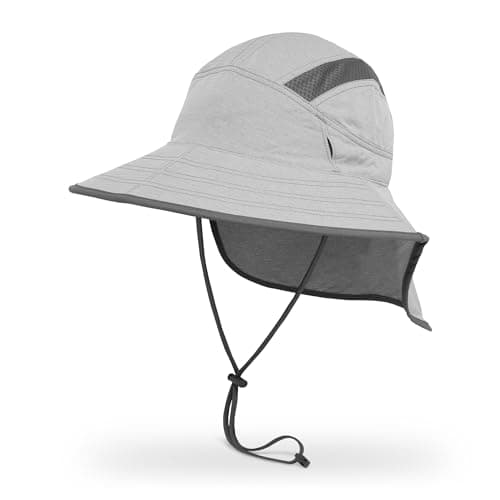
- A wide-brimmed hat. Physically shading the face removes both ultraviolet and visible light, which no sunscreen does completely. The best sun hats covers the brim and weave question.
- Avoiding the middle of the day where you can, since the EPA puts peak ultraviolet in those hours.
- Window film or shade while driving. Standard laminated windscreens cut most ultraviolet; side windows often do not, and the driver's-side cheek is a classic melasma site.
- Reapplying. A morning application is gone by mid-afternoon, and the afternoon is when most people get their visible-light exposure through a window.
- Heat awareness. Melasma is also aggravated by heat, so a hot kitchen or a sauna is worth knowing about even with no light involved.
What we would actually buy
One tinted mineral for the mornings, shade-matched or worn under your own base, and one cheap untinted mineral tube for reapplying and for days when nobody is looking. Add a hat. That combination addresses ultraviolet, addresses visible light, and is cheap enough to keep going for the months or years that melasma management actually takes. The best mineral sunscreen for your face is the wider mineral field, and the best tinted sunscreens is the dedicated tint roundup.
Sources
- How to prevent skin cancer — American Academy of Dermatology
- Sunscreen — Skin Cancer Foundation
- Sunscreen: How to Help Protect Your Skin from the Sun — U.S. Food and Drug Administration
- Questions and Answers: FDA Requirements for Over-the-Counter Sunscreen Products — U.S. Food and Drug Administration
- Learn About the UV Index — U.S. Environmental Protection Agency
Frequently asked questions
What is the best sunscreen for melasma?
A tinted mineral sunscreen, because the tint is the part that matters. EltaMD UV Physical Tinted SPF 41 is our pick: zinc oxide and titanium dioxide tinted with iron oxides, which absorb visible light. Melasma is aggravated by visible light as well as ultraviolet, and SPF describes ultraviolet only, so a clear SPF 50 leaves part of the trigger unaddressed.
Why does tinted sunscreen help melasma?
Because iron oxides, the pigments that make a sunscreen tinted, are opaque to visible light. Ultraviolet filters are transparent by design, so they do nothing in the visible range. Adding pigment gives the film a property that a clear sunscreen does not have, and in melasma specifically that property is doing real work.
Does SPF 50 protect against melasma?
It protects against the ultraviolet component, which matters, but SPF is a UVB measure and says nothing about visible light. People with melasma who use a high-SPF clear sunscreen diligently and still see darkening are usually running into exactly that gap, which is why a tint is the first thing we would change.
Is mineral or chemical sunscreen better for hyperpigmentation?
Mineral has two small advantages here. The filters themselves scatter some visible light, and mineral formulas are generally better tolerated by skin that is reactive from a peel, a laser or a prescribed depigmenting agent. Neither advantage is large, and a tinted chemical sunscreen is better for pigmentation than an untinted mineral one.
Do you need sunscreen indoors if you have melasma?
Near a window, yes. Glass blocks most UVB and much less UVA, and it does not block visible light at all, so a desk by a window or a long drive is a genuine exposure. A driver's-side cheek pattern is a familiar presentation for exactly that reason.
Will sunscreen fade melasma?
No. Sunscreen stops it getting worse and allows whatever treatment you are using to work, which in practice is most of the battle. Fading is the job of a prescribed regimen from a dermatologist, and no over-the-counter sunscreen should be sold to you as a treatment.
Read next
Face & Tinted SPF
Iron oxides and visible light
Why iron oxides protect as well as tint, and what that means for melasma and hyperpigmentation.
Face & Tinted SPF
The best tinted sunscreens
Tinted mineral formulas that cancel the cast and add visible-light protection, across every finish.

Face & Tinted SPF
The best tinted sunscreen for deeper skin tones
Adaptive and buildable tinted formulas for deep skin, and where the category still falls short.
Face & Tinted SPF
The best mineral sunscreen for your face
Seven mineral face sunscreens across zinc-only, zinc-and-titanium and tinted, picked on the actives panel and on whether you can wear the finish every day.

Face & Tinted SPF
Do you need sunscreen indoors?
Window glass blocks UVB but passes UVA, so indoor sunscreen is about photoaging and pigmentation rather than burning. When it is worth it.
Sun Protective Gear
The best sun hats
Wide-brim UPF 50+ hats for adults and children, and why a baseball cap is not enough.