Face & Tinted SPF
The best mineral sunscreen for your face
Mineral means zinc oxide, titanium dioxide or both, and the both option is where most of the good face formulas actually live.
Disclosure: Spf & Shore earns commission from qualifying purchases made through links on this page, at no extra cost to you. It does not change which products we recommend. Read the full disclosure.
Our overall pick is EltaMD UV Physical Tinted SPF 41: zinc oxide and titanium dioxide together, tinted with iron oxides, with a 40-minute water-resistance claim. The budget pick is CeraVe Hydrating Mineral SPF 50, which carries the same pair of filters with ceramides in the base at drugstore money.
This page exists because of a distinction the category keeps blurring. Mineral sunscreen means zinc oxide, titanium dioxide or both — and on faces specifically, the both formulations are often the more wearable ones, because titanium dioxide brings UVB strength that lets a formula get away with less zinc and therefore less cast.
If you specifically want zinc and nothing else, we have a separate page for that: the best zinc oxide sunscreen for face is strictly zinc-only. This one is the wider mineral field, including the blends and tints that a zinc-only list has to leave out.
Quick picks
Tap any row to read the full write-up below.
| # | Product | Best for | Price |
|---|---|---|---|
| 1 | 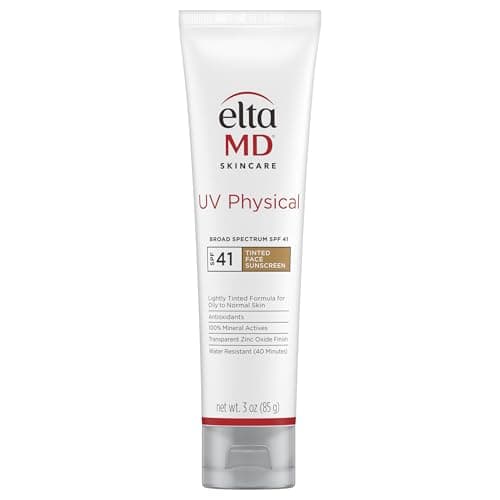 EltaMD UV Physical Tinted Broad-Spectrum SPF 41Best overall · SPF 41 | A tinted mineral you can wear as the only thing on your face | $34.40 · View on Amazon #ad We earn from qualifying purchases · Price as of November 23, 2026 |
| 2 | 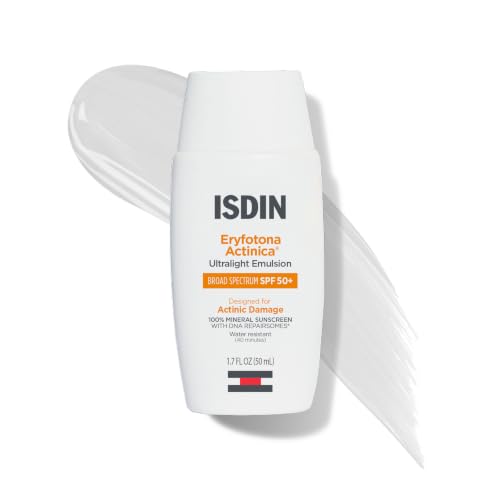 ISDIN Eryfotona Actinica Mineral Sunscreen SPF 50+Best for sun-damaged skin · SPF 50+ | Skin with a documented history of actinic damage | $32.20 · View on Amazon #ad We earn from qualifying purchases · Price as of November 23, 2026 |
| 3 | 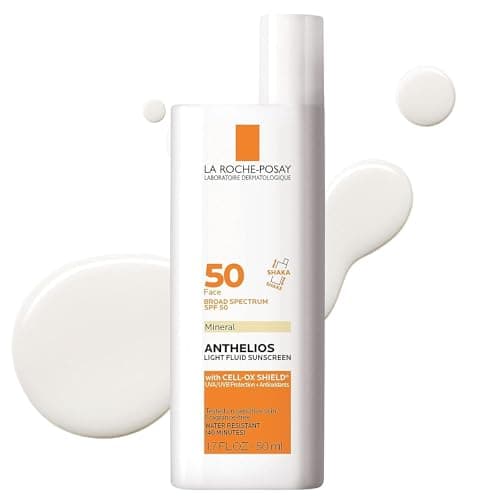 La Roche-Posay Anthelios Mineral SPF 50 Face SunscreenBest titanium-led formula · SPF 50 | Reactive skin that does badly with zinc-heavy textures | |
| 4 | 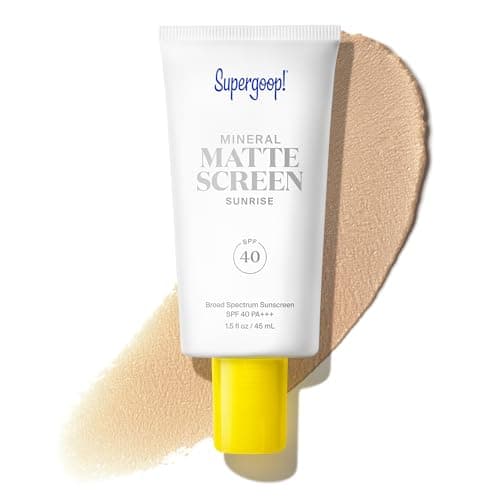 Supergoop! Mattescreen Mineral Tinted Face Sunscreen SPF 40Best for oily skin · SPF 40 | A face that goes shiny by midday | $40.00 · View on Amazon #ad We earn from qualifying purchases · Price as of November 23, 2026 |
| 5 | 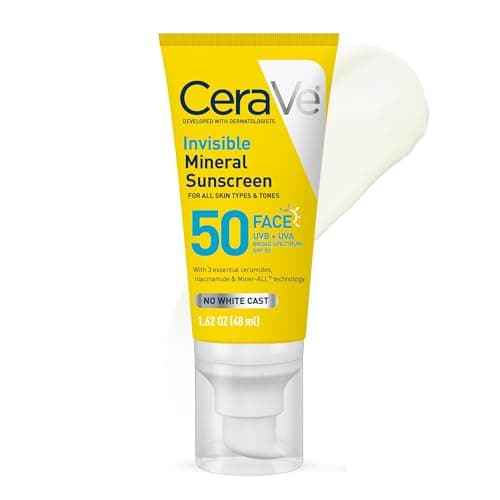 CeraVe Invisible Mineral Sunscreen SPF 50Best clear mineral · SPF 50 | Wanting zinc with as little cast as a drugstore tube allows | $12.74 · View on Amazon #ad We earn from qualifying purchases · Price as of November 23, 2026 |
| 6 | 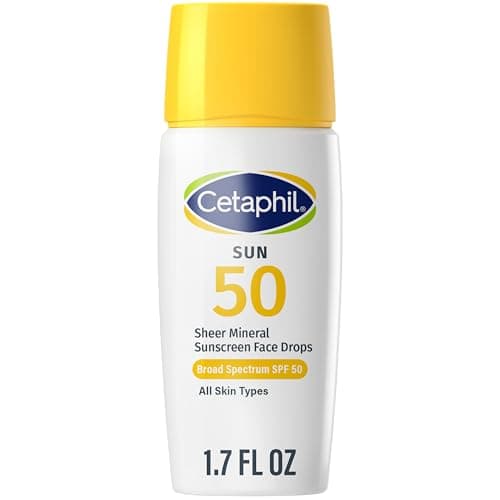 Cetaphil Sheer Mineral Face Sunscreen SPF 50Best for sensitive skin · SPF 50 | A plain, cheap, fragrance-free zinc film for every day | $8.99 · View on Amazon #ad We earn from qualifying purchases · Price as of November 23, 2026 |
| 7 | 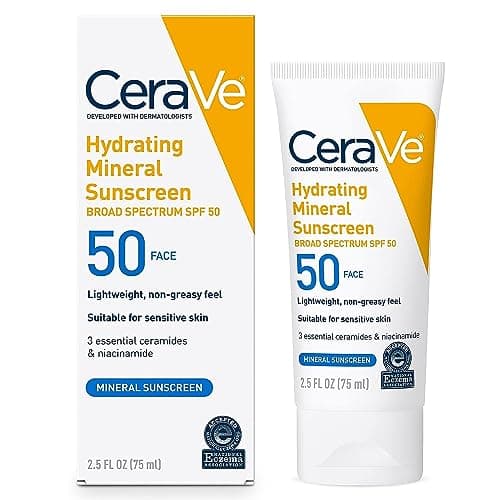 CeraVe Hydrating Mineral Sunscreen SPF 50 FaceBudget pick · SPF 50 | Daily use at a generous dose, without rationing | $13.97 · View on Amazon #ad We earn from qualifying purchases · Price as of November 23, 2026 |
What counts as a mineral face sunscreen
In the US, two filters are regulated as physical or mineral sunscreens: zinc oxide and titanium dioxide. Both are classed by the FDA as generally recognised as safe and effective, both work by sitting on the skin surface, and a formula using one, the other or both is a mineral sunscreen. Everything else on the US market is a chemical filter.
The practical difference is spectrum. Zinc covers a broader stretch of UVA; titanium dioxide is stronger per unit in UVB and leaves a cooler, whiter cast. Combine them and you can hit a high SPF without loading as much of either, which is why so many of the face formulas people actually enjoy wearing use a pair rather than zinc alone. Zinc oxide vs titanium dioxide works through the difference, and sunscreens with zinc oxide and titanium dioxide lists which products use both.
What we looked for
- Mineral filters only on the actives panel, read off the US listing or the OTC drug label rather than off the front of the box.
- SPF 30 or higher with a broad-spectrum claim. SPF 30 is the floor the American Academy of Dermatology names.
- A face-specific texture. A body lotion on a face is not wrong, it is just more likely to end the habit.
- An honest answer on cast. Every mineral formula leaves some. The useful question is whether a tint or a transparent-grade filter deals with it.
- Fragrance-free wherever the brand offers it, since fragrance is the most common trigger in a sunscreen reaction. Our methodology.
We run no laboratory and do not test products. Every figure below comes from the brand's own US listing or its published OTC drug label.
The picks compared
| Product | SPF | Mineral filters | Water resistance |
|---|---|---|---|
| EltaMD UV Physical Tinted | SPF 41 | Zinc oxide and titanium dioxide, tinted with iron oxides | 40 minutes |
| ISDIN Eryfotona Actinica | SPF 50+ | Zinc oxide as the sole active filter | Not claimed |
| La Roche-Posay Anthelios Mineral | SPF 50 | Titanium dioxide with antioxidants | 40 minutes |
| Supergoop! Mattescreen Mineral Tinted | SPF 40 | Mineral, tinted, oil-free per the listing | Claimed, no duration given |
| CeraVe Invisible Mineral | SPF 50 | Zinc oxide, with niacinamide and vitamin E | Not claimed |
| Cetaphil Sheer Mineral Face | SPF 50 | 100% mineral — zinc oxide | Not claimed |
| CeraVe Hydrating Mineral Face | SPF 50 | Zinc oxide and titanium dioxide, with ceramides | 40 minutes |
Our picks in detail
01 · Best overall
EltaMD UV Physical Tinted Broad-Spectrum SPF 41
EltaMD · Read our EltaMD review
Zinc oxide and titanium dioxide together, tinted with iron oxides, at SPF 41 with a 40-minute water-resistance claim. The tint is what makes it work: it removes the cast problem outright, adds visible-light protection that a clear mineral does not have, and evens tone enough that a lot of people wear it instead of base makeup.
- Actives:
- Zinc oxide and titanium dioxide, tinted with iron oxides
- SPF:
- SPF 41
- Water resistance:
- 40 minutes
- Reef status:
- Mineral filters only
- Best for:
- A tinted mineral you can wear as the only thing on your face
What works
- Both mineral filters, tinted with iron oxides
- Visible-light protection, which matters for pigmentation
- A 40-minute water-resistance claim, which many face formulas lack
The trade-off
- One tint shade, so it will not suit the deepest skin tones
- The most expensive pick on this page
- Thick enough that a correct facial dose feels like a lot
#ad We earn from qualifying purchases · Price as of November 23, 2026
02 · Best for sun-damaged skin
ISDIN Eryfotona Actinica Mineral Sunscreen SPF 50+
ISDIN
Zinc oxide as the sole active filter at SPF 50+, in the dermatology-counter formulation of this category. It makes no water-resistance claim, which tells you what it is for: a high-protection daily film on skin that has already taken decades of ultraviolet, not a beach product.
- Actives:
- Zinc oxide as the sole active filter
- SPF:
- SPF 50+
- Water resistance:
- Not labeled water resistant
- Reef status:
- Zinc only
- Best for:
- Skin with a documented history of actinic damage
What works
- Zinc as the only filter at SPF 50+
- Light, fast-absorbing texture for a mineral formula
- Sits in the dermatology-counter end of the shelf
The trade-off
- No water-resistance claim at all
- Expensive per ounce for daily full-dose use
- Untinted, so cast is still a factor on deeper skin
#ad We earn from qualifying purchases · Price as of November 23, 2026
03 · Best titanium-led formula
La Roche-Posay Anthelios Mineral SPF 50 Face Sunscreen
La Roche-Posay
Titanium dioxide with antioxidants at SPF 50, with a 40-minute water-resistance claim. It is the one pick here led by titanium rather than zinc, which gives it a different feel on skin — cooler, thinner, and a whiter cast than a zinc formula at the same SPF.
- Actives:
- Titanium dioxide with antioxidants
- SPF:
- SPF 50
- Water resistance:
- 40 minutes
- Reef status:
- Mineral filters only
- Best for:
- Reactive skin that does badly with zinc-heavy textures
What works
- SPF 50 with a 40-minute water-resistance claim
- Thinner texture than most zinc-led mineral creams
- Widely stocked, so replacing it is easy
The trade-off
- Titanium leaves a cooler, more visible cast
- Costs more than the drugstore mineral tubes
- Untinted, so no help with pigmentation
04 · Best for oily skin
Supergoop! Mattescreen Mineral Tinted Face Sunscreen SPF 40
Supergoop!
A tinted, oil-free mineral face sunscreen at SPF 40 that the listing names as water and sweat resistant without publishing a tested duration. It sets properly matte, which is the thing oily skin wants from an SPF and the thing most mineral creams will not do.
- Actives:
- Mineral, tinted, oil-free — the listing names it a mineral tinted face sunscreen
- SPF:
- SPF 40
- Water resistance:
- Water and sweat resistant per the brand; no tested duration on the listing
- Reef status:
- Mineral formula — no oxybenzone, octinoxate or octocrylene claimed
- Best for:
- A face that goes shiny by midday
What works
- Sets genuinely matte rather than sitting wet
- Tinted, so no grey cast
- Oil-free, which suits congestion-prone skin
The trade-off
- No tested water-resistance duration on the listing
- SPF 40 rather than 50
- Matte finish can emphasise dry patches
#ad We earn from qualifying purchases · Price as of November 23, 2026
05 · Best clear mineral
CeraVe Invisible Mineral Sunscreen SPF 50
CeraVe · Read our CeraVe review
Zinc oxide with niacinamide and vitamin E in the base, at SPF 50, formulated to finish clearer than CeraVe's older mineral tube. It makes no water-resistance claim, so treat it as a daily-wear product rather than an outdoor one.
- Actives:
- Zinc oxide, with niacinamide and vitamin E in the base
- SPF:
- SPF 50
- Water resistance:
- Not claimed on this face formula
- Reef status:
- Zinc only — no oxybenzone, octinoxate or octocrylene
- Best for:
- Wanting zinc with as little cast as a drugstore tube allows
What works
- Zinc-only filter at SPF 50 in a drugstore tube
- Niacinamide in the base, which reactive skin often tolerates well
- Noticeably less cast than most untinted zinc creams
The trade-off
- No water-resistance claim
- Still not genuinely invisible on deep skin tones
- A small face tube at a correct dose does not last long
#ad We earn from qualifying purchases · Price as of November 23, 2026
06 · Best for sensitive skin
Cetaphil Sheer Mineral Face Sunscreen SPF 50
Cetaphil
A 100% mineral zinc oxide face lotion at SPF 50, fragrance-free, that sets matte enough for makeup to grip. There is nothing clever about it, which is the point: it is the formula we would hand to someone whose skin reacts to everything and who needs a daily SPF they will not think about.
- Actives:
- 100% mineral — zinc oxide
- SPF:
- SPF 50
- Water resistance:
- Not claimed on the face formula
- Reef status:
- Zinc only — no oxybenzone, octinoxate or octocrylene
- Best for:
- A plain, cheap, fragrance-free zinc film for every day
What works
- Zinc-only filter at SPF 50
- Fragrance-free and formulated for sensitive skin
- Sets matte, so makeup sits on it
The trade-off
- No water-resistance claim on the face formula
- Visible cast on deeper skin tones
- A small tube at a full facial dose empties fast
#ad We earn from qualifying purchases · Price as of November 23, 2026
07 · Budget pick
CeraVe Hydrating Mineral Sunscreen SPF 50 Face
CeraVe · Read our CeraVe review
Zinc oxide and titanium dioxide with ceramides and hyaluronic acid in the base, at SPF 50 with a 40-minute water-resistance claim, at drugstore money. It is the pick we would actually use most days: both mineral filters, a hydrating base, and cheap enough that applying a proper facial dose every morning is not a decision.
- Actives:
- Zinc oxide and titanium dioxide, with ceramides and hyaluronic acid
- SPF:
- SPF 50
- Water resistance:
- 40 minutes
- Reef status:
- Mineral filters only
- Best for:
- Daily use at a generous dose, without rationing
What works
- Both mineral filters at SPF 50 with a 40-minute claim
- Ceramides and hyaluronic acid suit dry and mature skin
- Cheap and stocked almost everywhere
The trade-off
- Leaves more cast than the clear or tinted picks
- Richer finish than oily skin will enjoy
- 40 minutes, not 80, so not a swimming product
#ad We earn from qualifying purchases · Price as of November 23, 2026
Cast, and the three ways out of it
Every mineral face sunscreen leaves some cast, because scattering light is the mechanism. There are only three real ways around it, and knowing which one a product is using tells you most of what you need to know about how it will wear.
- A tint. Iron oxides give the film a skin-coloured cast instead of a white one, which is the most reliable fix and the only one that works across every skin tone. It also adds visible-light protection, which matters for pigmentation. Iron oxides and visible light covers that.
- Transparent-grade filters. A finer particle size scatters less visible light while still absorbing ultraviolet. This is what the premium clear mineral formulas are doing, and it is why they cost more.
- Less filter, more titanium. Blending the two minerals hits the SPF with a thinner total load. Effective, and it is the quiet reason many pleasant mineral face formulas are not zinc-only.
What does not work is rubbing harder. Why mineral sunscreen leaves a white cast explains why, and mineral sunscreens that do not leave a white cast is the dedicated roundup.
Water resistance is thin on the ground up here
Look down the table and you will notice something: three of these seven make no water-resistance claim at all, and the two that do claim 40 minutes rather than 80. That is normal for face formulas. The textures that make a face sunscreen pleasant to wear under makeup are the ones that do not survive an immersion test, and brands would rather have the finish than the claim.
What that means in practice is simple. A daily facial SPF is for commuting, driving, the school run and a desk by a window. For a pool, a beach or a long sweaty day outdoors, use something with an 80-minute claim on your face as well, and accept that it will be heavier. What water-resistant sunscreen actually means explains what the minutes are measuring.
Matching a pick to the problem
- Pigmentation, melasma or post-inflammatory marks: a tinted mineral, because iron oxides add visible-light protection that a clear formula does not. The best sunscreen for melasma goes deeper.
- Oily skin: a matte-setting formula. The Supergoop Mattescreen and the Cetaphil are the two here that set down rather than sitting wet. The best sunscreen for oily skin covers the field.
- Dry or mature skin: the CeraVe hydrating formula, which carries ceramides and hyaluronic acid in the base.
- Reactive or rosacea-prone skin: zinc-only and fragrance-free. The best sunscreen for rosacea is the dedicated page.
- A documented history of sun damage: the ISDIN, which is the dermatology-counter option here and sits in the actinic-damage category of the shelf.
- A tight budget: CeraVe or Cetaphil, both well under $15 at the time of writing. The best face sunscreens under $25 is the price-led version of this list.
What we would actually buy
For most people, one tinted mineral for the days that matter and one cheap mineral tube used daily and generously. The second one is the important half: a face sunscreen only works if it is applied every morning at a real dose, and the quickest way to stop doing that is to buy something expensive enough that you start rationing it. The best sunscreen for your face is our whole-field face roundup including chemical filters, and the best drugstore mineral sunscreens is where to look if availability matters more than finish.
Sources
- Sunscreen: How to Help Protect Your Skin from the Sun — U.S. Food and Drug Administration
- Questions and Answers: FDA Requirements for Over-the-Counter Sunscreen Products — U.S. Food and Drug Administration
- Sunscreen FAQs — American Academy of Dermatology
- How to prevent skin cancer — American Academy of Dermatology
- Sunscreen — Skin Cancer Foundation
Frequently asked questions
What is the best mineral sunscreen for your face?
EltaMD UV Physical Tinted SPF 41 is our overall pick, because it uses both mineral filters, is tinted with iron oxides so there is no white cast, and adds visible-light protection a clear mineral does not have. If price matters, CeraVe Hydrating Mineral SPF 50 carries the same pair of filters with ceramides in the base for a fraction of the cost.
Is mineral sunscreen better for your face than chemical?
Not more protective. A mineral SPF 50 and a chemical SPF 50 earned the same number in the same test. Mineral filters are often better tolerated by reactive, rosacea-prone or post-procedure skin, are the usual recommendation in pregnancy, and satisfy reef legislation, which are all good reasons to choose one. None of them are protection reasons.
Does mineral face sunscreen clog pores?
Zinc oxide itself is not comedogenic and is used in acne treatments, so the usual culprit is the base rather than the filter. Oils and heavy emollients used to make a mineral cream spreadable are the part congestion-prone skin reacts to, which is why an oil-free matte formula is the better starting point. Does mineral sunscreen clog pores covers the detail.
What SPF should a face sunscreen be?
SPF 30 is the minimum the American Academy of Dermatology recommends and SPF 50 is the sensible default for a face, which gets more cumulative sun than any other part of the body. The bigger variable is dose: most people apply a fraction of what the test used, so a higher number buys you some margin for that.
Can you wear mineral sunscreen under makeup?
Yes, and the formulas that do it best are the ones that set matte rather than staying tacky. A tinted mineral can also replace a base layer entirely, which is how a lot of people end up wearing more sunscreen than they used to. Reapplying over makeup is the harder half of the problem.
Is zinc oxide or titanium dioxide better for the face?
Zinc covers a broader stretch of UVA and leaves a warmer cast; titanium dioxide is stronger per unit in UVB and leaves a cooler, whiter one. For a face, a blend of the two is often the most wearable answer because it reaches a high SPF with a thinner total film, which is exactly why several picks here use both.
Read next
Face & Tinted SPF
The best zinc oxide sunscreen for your face
Zinc-led face SPF compared on actives, tint and wearability — the mineral face formulas you will actually keep using.
Face & Tinted SPF
The best sunscreen for your face
Daily face SPF by skin type and finish, from mineral to hybrid, with the trade-off named on each.
Mineral Sunscreen
Zinc oxide vs titanium dioxide
Which mineral filter covers which part of the spectrum, how they differ on skin, and why formulas combine them.
Face & Tinted SPF
The best face sunscreens under $25
Five face sunscreens under $25 across hydrating, clear, matte and stick formats, picked on the actives panel rather than on being the cheapest tube on the shelf.
Mineral Sunscreen
Mineral sunscreens that do not leave a white cast
Sheer and tinted zinc formulas that disappear on skin, including on medium and deep tones.
Face & Tinted SPF
The best tinted sunscreens
Tinted mineral formulas that cancel the cast and add visible-light protection, across every finish.