Mineral Sunscreen
The best drugstore mineral sunscreens
A zinc formula you can replace on a grocery run beats a better one you ran out of.
Disclosure: Spf & Shore earns commission from qualifying purchases made through links on this page, at no extra cost to you. It does not change which products we recommend. Read the full disclosure.
Our pick is the CeraVe Hydrating Mineral Sunscreen SPF 50 Body: zinc oxide and titanium dioxide with ceramides, SPF 50, fragrance-free, and stocked in essentially every US drugstore and big-box store. It is not the most elegant mineral sunscreen made. It is the one most likely to be in your bathroom cabinet in July, which on this page is the point.
Availability is a real criterion, not a consolation prize. The limiting factor on how much sun protection people actually get is how much product they apply, and the single biggest cause of under-application is a bottle that costs enough to ration. Every pick below is a mineral formula from a brand you can find on a pharmacy shelf, which means you can buy the large size and use it like you mean it.
Quick picks
Tap any row to read the full write-up below.
| # | Product | Best for | Price |
|---|---|---|---|
| 1 | 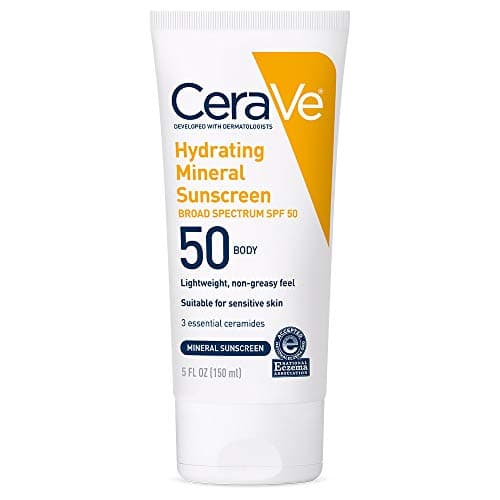 CeraVe Hydrating Mineral Sunscreen SPF 50 BodyBest overall · SPF 50 | The big body bottle a household actually uses up | $14.99 · View on Amazon #ad We earn from qualifying purchases · Price as of November 2, 2026 |
| 2 | 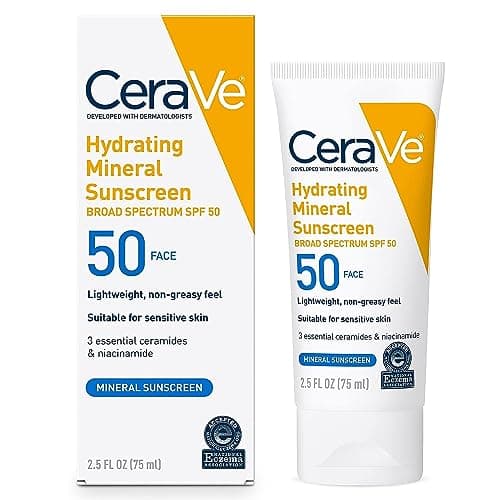 CeraVe Hydrating Mineral Sunscreen SPF 50 FaceBest for faces · SPF 50 | A daily face layer at drugstore pricing | $13.97 · View on Amazon #ad We earn from qualifying purchases · Price as of November 2, 2026 |
| 3 | 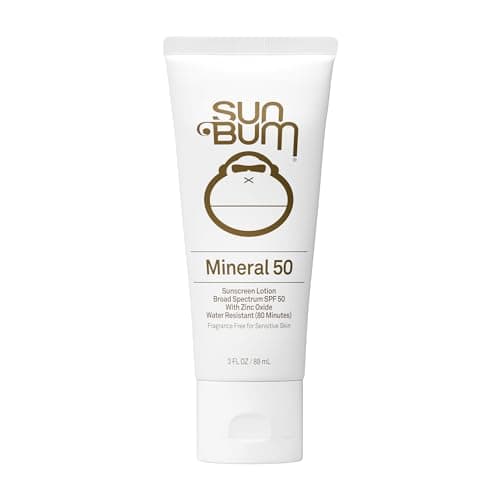 Sun Bum Mineral Sunscreen Lotion SPF 50Best for the beach · SPF 50 | Water days, where the 80-minute claim matters | $16.99 · View on Amazon #ad We earn from qualifying purchases · Price as of November 2, 2026 |
| 4 | 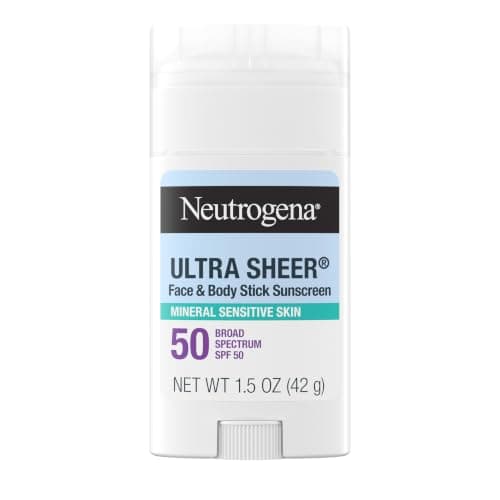 Neutrogena Ultra Sheer Face & Body Mineral Sunscreen Stick SPF 50Best stick · SPF 50 | Reapplying on faces, ears and shoulders mid-day | $14.20 · View on Amazon #ad We earn from qualifying purchases · Price as of November 2, 2026 |
| 5 | 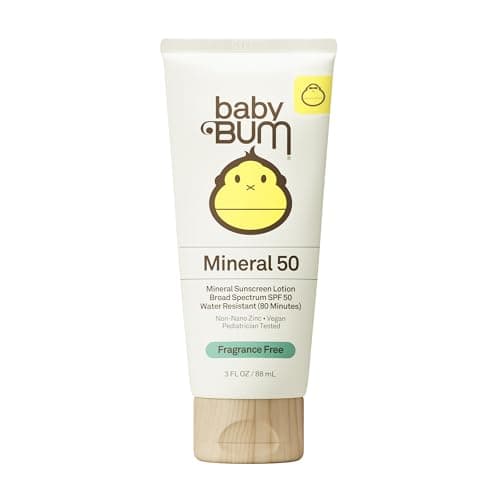 Baby Bum Mineral Sunscreen Lotion SPF 50Best for kids · SPF 50 | A zinc-only bottle the whole family can share | $14.27 · View on Amazon #ad We earn from qualifying purchases · Price as of November 2, 2026 |
How we chose these
Three gates. The filters had to be mineral — zinc oxide, titanium dioxide, or both — with the panel read from the brand's own US product page or its retail drug-facts listing. The brand had to be one with genuine US drugstore and mass-retail distribution rather than a specialty or dermatology-counter line. And the product had to be currently buyable, with a working add-to-cart on the day this page was written.
After that we preferred SPF 50, an 80-minute water-resistance claim where the product is meant for outdoors, and fragrance-free formulas over scented ones. We do not run a lab and we do not wear-test, so there are no scores here — where an independent organization has tested a product, we name them rather than restating their work as ours. Our methodology is the long version.
We also do not type prices into this page. Drugstore pricing moves constantly, and a figure written into an article is stale the next day. Every price beside a pick is read from Amazon and stamped with the date it was read — so if a number looks high, check the date on it rather than trusting the sentence.
What drugstore mineral gives up, honestly
Two things, and it is worth naming them before the picks rather than after. The first is cosmetic elegance: a pharmacy-shelf zinc lotion is generally thicker, slower to spread and more visible on the skin than a specialty formula at three times the price. That matters most on deeper skin tones, where cast is not a minor aesthetic complaint but the reason the bottle goes unused. Mineral sunscreens that do not leave a white cast is the page for that problem specifically.
The second is formulation detail. Specialty minerals often publish exact filter percentages, use finer dispersions and add antioxidants or barrier ingredients; drugstore lines publish less and formulate for a mass market. Neither is a safety difference — both pass the same FDA tests to make the same claims — but it does explain why the expensive one feels better.
The panels, side by side
| Product | Active filters | SPF | Water resistance |
|---|---|---|---|
| CeraVe Hydrating Mineral SPF 50 Body | Zinc oxide and titanium dioxide, with ceramides | SPF 50 | 40 minutes |
| CeraVe Hydrating Mineral SPF 50 Face | Zinc oxide and titanium dioxide, with ceramides and hyaluronic acid | SPF 50 | 40 minutes |
| Sun Bum Mineral Lotion SPF 50 | Zinc oxide and titanium dioxide | SPF 50 | 80 minutes |
| Neutrogena Ultra Sheer Mineral Stick SPF 50 | 21.6% zinc oxide | SPF 50 | 80 minutes |
| Baby Bum Mineral Lotion SPF 50 | Zinc oxide | SPF 50 | 80 minutes |
One pattern in that table is worth reading closely. The two CeraVe products claim 40 minutes of water resistance; the other three claim 80. A US label may claim one or the other and nothing else, and the difference is a real split: 40 minutes is a daily-wear rating, 80 is the maximum and the one you want for a pool or a beach. What water-resistant sunscreen actually means covers the test.
Our picks in detail
01 · Best overall
CeraVe Hydrating Mineral Sunscreen SPF 50 Body
CeraVe · Read our CeraVe review
Zinc oxide and titanium dioxide with ceramides at SPF 50, fragrance-free, in the largest sizes on this list. The best balance of mineral filters, barrier ingredients and buy-it-anywhere availability.
- Actives:
- Zinc oxide and titanium dioxide, with ceramides
- SPF:
- SPF 50
- Water resistance:
- 40 minutes
- Reef status:
- Mineral filters only
- Best for:
- The big body bottle a household actually uses up
What works
- Mineral filters with ceramides in the base
- Fragrance-free, so it suits reactive skin and children
- Stocked in essentially every US drugstore and big-box store
The trade-off
- 40 minutes of water resistance, not 80
- Thick — it takes work to spread on dry skin
- Leaves a visible cast on deeper skin tones
#ad We earn from qualifying purchases · Price as of November 2, 2026
02 · Best for faces
CeraVe Hydrating Mineral Sunscreen SPF 50 Face
CeraVe · Read our CeraVe review
The face version of the same idea: zinc and titanium dioxide at SPF 50 with ceramides and hyaluronic acid. The pharmacy-shelf answer for anyone who specifically wants zinc oxide on their face.
- Actives:
- Zinc oxide and titanium dioxide, with ceramides and hyaluronic acid
- SPF:
- SPF 50
- Water resistance:
- 40 minutes
- Reef status:
- Mineral filters only
- Best for:
- A daily face layer at drugstore pricing
What works
- Zinc oxide in the panel, which many drugstore faces lack
- Hydrating base means it can replace a moisturizer step
- Cheap enough to use generously every morning
The trade-off
- 40 minutes of water resistance, not 80
- Thicker than specialty face minerals
- Needs a moment to set before makeup
#ad We earn from qualifying purchases · Price as of November 2, 2026
03 · Best for the beach
Sun Bum Mineral Sunscreen Lotion SPF 50
Sun Bum
Zinc oxide and titanium dioxide at SPF 50 with the full 80 minutes of water resistance, and it spreads more easily than most zinc-heavy drugstore lotions.
- Actives:
- Zinc oxide and titanium dioxide
- SPF:
- SPF 50
- Water resistance:
- 80 minutes
- Reef status:
- Mineral filters only
- Best for:
- Water days, where the 80-minute claim matters
What works
- Maximum water-resistance claim a US label may make
- Easier to spread than most mineral lotions at this price
- Available almost everywhere, including resort and grocery shelves
The trade-off
- Scented, which not everyone wants on a face
- Still leaves a cast
- Not a fragrance-free option for reactive skin
#ad We earn from qualifying purchases · Price as of November 2, 2026
04 · Best stick
Neutrogena Ultra Sheer Face & Body Mineral Sunscreen Stick SPF 50
Neutrogena
21.6% zinc oxide at SPF 50 with 80 minutes of water resistance, in a stick at a drugstore price. The format people actually reapply with, without dermatology-counter pricing.
- Actives:
- 21.6% zinc oxide
- SPF:
- SPF 50
- Water resistance:
- 80 minutes
- Reef status:
- Zinc only — no oxybenzone, octinoxate or octocrylene
- Best for:
- Reapplying on faces, ears and shoulders mid-day
What works
- High zinc concentration in a solid format
- 80-minute water resistance
- Cheap enough to keep one in every bag
The trade-off
- Thin film — several passes over the same patch
- Noticeably white until worked in
- Softens out of shape in a hot car
#ad We earn from qualifying purchases · Price as of November 2, 2026
05 · Best for kids
Baby Bum Mineral Sunscreen Lotion SPF 50
Sun Bum
Zinc oxide as the filter at SPF 50 with 80 minutes of water resistance, formulated for infant and child skin, and stocked on the same shelves as everything else here.
- Actives:
- Zinc oxide
- SPF:
- SPF 50
- Water resistance:
- 80 minutes
- Reef status:
- Zinc only
- Best for:
- A zinc-only bottle the whole family can share
What works
- Zinc-only actives at the maximum water-resistance claim
- Built for the most reactive skin in the household
- Widely available, which matters mid-trip
The trade-off
- Thick and visibly white on application
- Lightly scented in some versions — check the listing
- Expensive per ounce next to the adult body lotions
#ad We earn from qualifying purchases · Price as of November 2, 2026
Buy the big size, and use it
The reason to shop this category at all is that it makes a real dose affordable. A full-body application at the tested amount is roughly an ounce of product, which means a household of four on a beach week goes through more sunscreen than most people have ever bought at once. How much sunscreen to apply has the measurements, and they are startling the first time you read them.
- Buy the largest size of the body lotion, not the travel size. Cost per ounce falls sharply and the psychological barrier to applying enough falls with it.
- Keep a separate, smaller face product. Body lotion on a face is unpleasant and leads to skipping it. Can you use body sunscreen on your face covers when it is fine and when it is not.
- Add one stick. It is the only format most people reapply with, and the drugstore ones are genuinely good now.
- Replace the car bottle every season. Heat is the main reason a bottle fails before its printed date. Sunscreen in a hot car covers what heat actually does.
- Check the date on the bottle you already own before buying more. Does sunscreen expire has the rules.
What we left off, and why
Several well-known drugstore mineral options are not here. Coppertone Pure and Simple and Bare Republic are both legitimate zinc formulas with wide retail distribution, and either is a reasonable buy — they are absent because the five above cover the same ground with claims we could verify more cleanly on the day of writing. Neutrogena Pure and Free Baby sits in the same category and is covered on the best baby sunscreen instead.
We also left off every chemical-filter drugstore sunscreen, which is most of the shelf. That is a scope decision rather than a verdict: this site's product registry is mineral by design, and we do not invent entries to fill a slot. If you want the honest comparison rather than a sales pitch, mineral versus chemical sunscreen makes the case on both sides.
Is drugstore mineral as good as the expensive stuff?
At the thing that matters most — the protection a properly applied film provides — a drugstore zinc lotion and a specialty zinc lotion with the same SPF and the same water-resistance claim have passed the same tests. The FDA's SPF, broad-spectrum and water-resistance procedures do not have a premium tier. How SPF is tested describes them.
Where the money buys something real is wearability, and wearability drives use. If a specialty face sunscreen is the difference between wearing SPF every morning and wearing it twice a week, it is worth every cent — that is not marketing, it is the whole mechanism. The right split for most households is drugstore for bodies and whatever you will actually wear for your face.
Where to buy, and when shelves run out
One practical note about this category specifically. Drugstore sunscreen is seasonal stock: shelves are deep in May and thin by late August, and the mineral options tend to sell through before the chemical ones in the stores that carry fewer of them. If you have a formula that works for your household, buying the next bottle in June rather than in August is a small act of planning that saves a compromise later.
The same is true online. Listings for mass-market sunscreen move between pack sizes and sellers through the season, so check the size and the seller on the listing before you buy rather than assuming the item you bought last year is the item in the cart.
Sources
- Questions and Answers: FDA Requirements for Over-the-Counter Sunscreen Products — U.S. Food and Drug Administration
- 21 CFR 201.327 — Over-the-counter sunscreen drug products; required labeling — Legal Information Institute, Cornell Law School
- Sunscreen FAQs — American Academy of Dermatology
- Sunscreen — Skin Cancer Foundation
- Sunscreen: How to Help Protect Your Skin from the Sun — U.S. Food and Drug Administration
Frequently asked questions
What is the best drugstore mineral sunscreen?
For a body, CeraVe's Hydrating Mineral SPF 50 — zinc and titanium dioxide with ceramides, fragrance-free, and available almost everywhere. For a water day, a mineral lotion with an 80-minute water-resistance claim is the better choice.
Are drugstore mineral sunscreens as good as expensive ones?
At protection, yes: the same FDA SPF, broad-spectrum and water-resistance tests apply regardless of price. What money buys is texture and finish, which matters because a sunscreen you enjoy wearing is one you will use.
Which drugstore sunscreens use zinc oxide?
CeraVe's Hydrating Mineral range, Sun Bum's mineral lotion, Neutrogena's mineral stick, Baby Bum's mineral lotion, and several others including Coppertone Pure and Simple and Bare Republic. Always read the actives panel — many drugstore sunscreens labeled gentle are chemical-filter formulas.
Is a 40-minute water-resistance claim enough?
For daily wear, yes. For swimming or heavy sweating, no — look for the 80-minute claim, which is the maximum a US label may make, and reapply on every exit from the water regardless.
Why do mineral sunscreens leave a white cast?
Zinc oxide and titanium dioxide work partly by scattering light, and particles large enough to do that are visible on skin. Tinted and finer-dispersion formulas reduce it. Our page on why mineral sunscreen leaves a white cast covers the chemistry.
Read next
Mineral Sunscreen
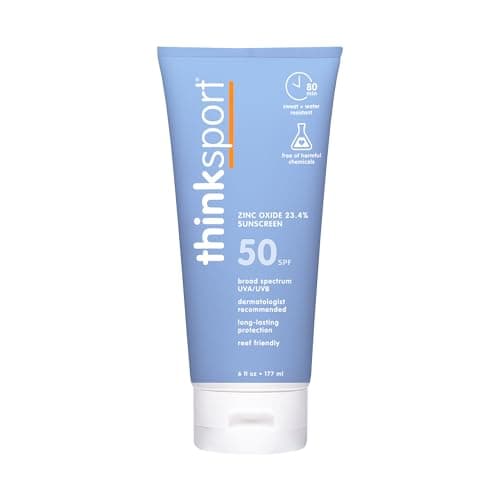
The best mineral sunscreens
Zinc-only picks for faces, bodies and kids, chosen on actives and water resistance rather than packaging.
Mineral Sunscreen
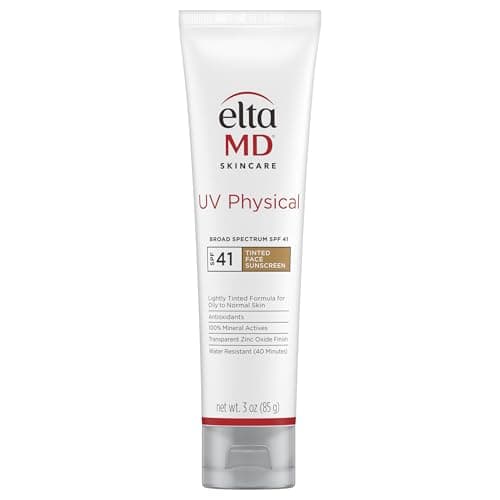
Mineral sunscreens that do not leave a white cast
Sheer and tinted zinc formulas that disappear on skin, including on medium and deep tones.
Reviews
CeraVe mineral sunscreen review
Ceramides in a fragrance-free mineral base at drugstore prices, against 40-minute water resistance.
Face & Tinted SPF
CeraVe Mineral vs La Roche-Posay Anthelios Mineral
Zinc and ceramides against titanium dioxide and antioxidants: how the two best-known drugstore mineral face sunscreens differ, and which skin each one suits.

Sun Safety
How much sunscreen to apply
The measures by body area, and why under-application costs more protection than it seems.
Sun Safety
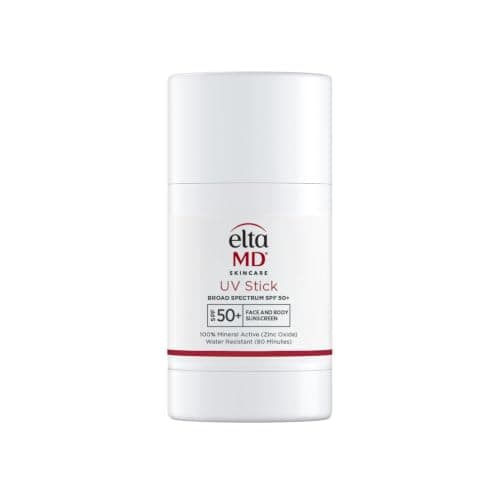
The best sunscreen sticks
The sunscreen sticks worth buying, what their actives panels say, and the number of passes it takes to reach the SPF on the tube.