Face & Tinted SPF
Do you need sunscreen indoors?
Window glass stops the burning wavelengths and lets the aging ones through. That one fact answers most of the question.
Disclosure: Spf & Shore earns commission from qualifying purchases made through links on this page, at no extra cost to you. It does not change which products we recommend. Read the full disclosure.
If you sit near a window for hours, yes — and if you do not, probably not. Ordinary window glass blocks almost all UVB, which is why you do not burn through a window, but it transmits a substantial share of UVA, which is the wavelength range associated with photoaging and pigmentation. The honest answer is that indoor sunscreen is a cosmetic and pigmentation decision, not a burn-prevention one.
Two groups should treat it as more than cosmetic: anyone being treated for melasma or hyperpigmentation, where sun protection is the base of the treatment plan, and anyone who drives for a living, because a side window puts one arm and one side of a face in sustained UVA for hours.
What glass blocks and what it does not
UVB is the shorter, higher-energy band that causes sunburn, and standard glass absorbs nearly all of it. UVA is longer, penetrates deeper into the skin, and passes through ordinary glass in meaningful quantity. Laminated windshield glass blocks far more UVA than a plain side window does, which is why the asymmetry drivers notice is real.
That explains the pattern of what people see. You will not get a sunburn at a desk by a window. Over years, the window-side cheek and the driving-side forearm can show more pigmentation and more textural aging than the other. How sunscreen works covers the two bands and which filters handle each.
What is not a meaningful UV source: ordinary indoor lighting and screens. Fluorescent and LED lamps emit negligible UV compared with daylight through a window, and a laptop screen emits essentially none. Blue light from screens is visible light, not ultraviolet, and the practical protection against visible light is a tinted formula rather than a higher SPF.
When indoor sunscreen is worth it
- You sit within a few feet of a window for hours a day. A sunlit desk is the clearest case.
- You are treating melasma or post-inflammatory hyperpigmentation. Visible light and UVA both contribute, and a tinted mineral formula addresses both. Iron oxides and visible light.
- You drive a lot. Side windows pass UVA, and the exposure is one-sided and sustained.
- You go outside at all during the day — the school run, lunch, a dog walk. Most "indoor" days contain real outdoor exposure nobody accounts for.
- You are on a photosensitizing medication or an active retinoid routine, where the threshold for exposure is lower.
When it is not
A windowless office, a night shift, or a day you genuinely do not leave the house and do not sit in direct light. Wearing sunscreen in those situations is harmless but it is not buying anything, and insisting on it is the kind of advice that makes people stop trusting sun-protection guidance generally.
The American Academy of Dermatology's prevention guidance is built around outdoor exposure: broad-spectrum SPF 30 or higher, reapplied every two hours, plus shade and clothing. Nothing in it requires sunscreen in a dark room, and nothing in it is satisfied by sunscreen alone on a bright day outside.
Our picks in detail
01 · Best for a sunlit desk
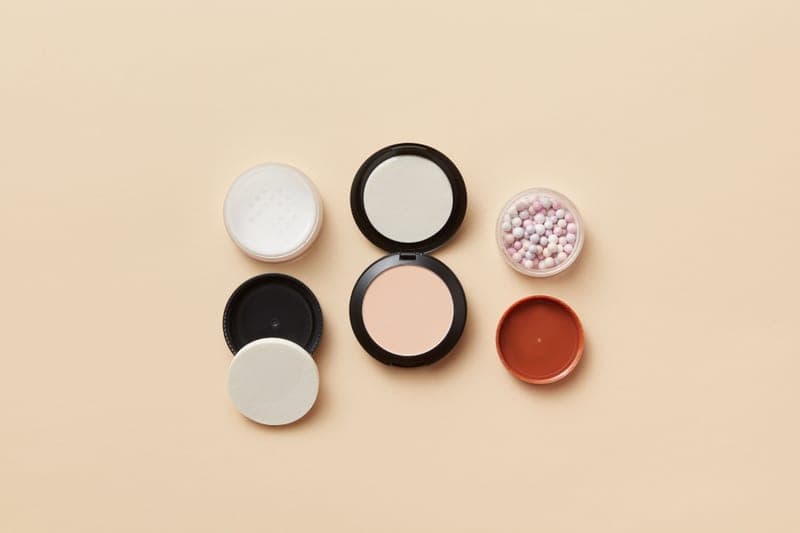
EltaMD UV Elements Tinted Moisturizer SPF 44
EltaMD · Read our EltaMD review
Mineral filters under an iron-oxide tint in a moisturizing base at SPF 44 — the tint handles the visible light that glass passes freely, which is the part a higher SPF would not touch.
- Actives:
- Zinc oxide and titanium dioxide, tinted with iron oxides
- SPF:
- SPF 44
- Water resistance:
- 40 minutes
- Reef status:
- Mineral filters only
- Best for:
- Daily indoor wear where pigmentation is the concern
What works
- Iron-oxide tint
- Hydrating base for all-day wear
- Mineral filters only
The trade-off
- One universal shade
- Dermatology-counter pricing
02 · Best everyday option
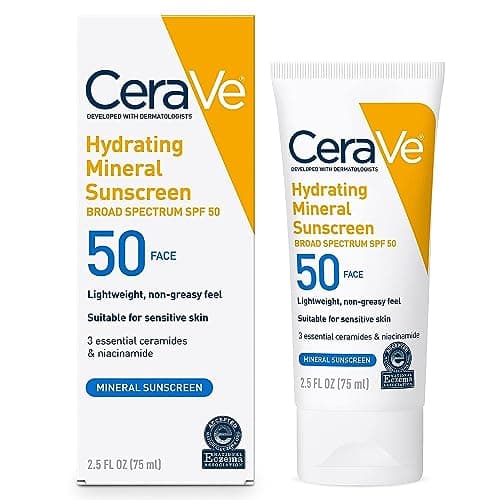
CeraVe Hydrating Mineral Sunscreen SPF 50 Face
CeraVe · Read our CeraVe review
Broad spectrum at SPF 50 with mineral filters in a ceramide base — comfortable enough to wear on a desk day and strong enough for the outdoor half hour you did not plan for.
- Actives:
- Zinc oxide and titanium dioxide, with ceramides and hyaluronic acid
- SPF:
- SPF 50
- Water resistance:
- 40 minutes
- Reef status:
- Mineral filters only
- Best for:
- An indoor day that includes a few errands
What works
- Broad spectrum at SPF 50
- Ceramides in the base
- Fragrance-free
The trade-off
- 40 minutes of water resistance
- Soft cast
#ad We earn from qualifying purchases · Price as of October 11, 2026
03 · Lightest for all-day wear
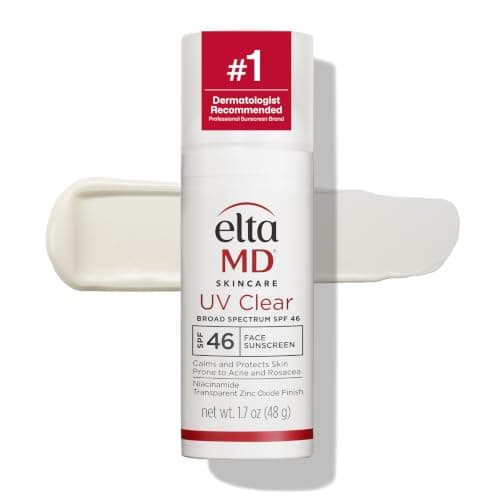
EltaMD UV Clear Broad-Spectrum SPF 46
EltaMD · Read our EltaMD review
The lightest finish here, which is the only property that matters for something worn indoors from nine to five without a single reapplication.
- Actives:
- Zinc oxide with octinoxate; EltaMD lists 9% zinc oxide and 5% niacinamide
- SPF:
- SPF 46
- Water resistance:
- Not labeled water resistant
- Reef status:
- Contains octinoxate, which Hawaii and Key West restrict
- Best for:
- Oily skin wearing SPF at a desk for eight hours
What works
- Weightless finish
- Niacinamide in the base
- No cast
The trade-off
- Contains octinoxate
- Not labeled water resistant
#ad We earn from qualifying purchases · Price as of October 11, 2026
What to use if you decide to
- Pick on finish, not on SPF. Indoors there is no burn risk to buffer, so comfort decides whether you keep it up. SPF 30 is plenty.
- Look for broad spectrum specifically. UVA is the entire reason you are doing this, and SPF alone is a UVB number.
- Choose a tint if pigmentation is the concern. Iron oxides absorb visible light, which window glass does not stop at all.
- Apply once in the morning and let it be. Indoors, without sweat or water, the two-hour clock is not doing much.
- Reapply the moment you go out, which is the application that actually matters.
Sources
- Sunscreen FAQs — American Academy of Dermatology
- How to prevent skin cancer — American Academy of Dermatology
- How Do I Protect Myself from UV Rays? — American Cancer Society
- Sunscreen — Skin Cancer Foundation
- Questions and Answers: FDA Requirements for Over-the-Counter Sunscreen Products — U.S. Food and Drug Administration
Frequently asked questions
Do you need sunscreen indoors?
Only if you sit near a window for long periods, drive a lot, or are treating pigmentation. Window glass blocks almost all UVB, so there is no burn risk indoors — but it transmits UVA, which drives photoaging and pigmentation.
Does UV come through windows?
UVA does, in meaningful quantity through ordinary glass. UVB is almost entirely blocked, which is why you cannot get sunburned through a closed window. Laminated windshield glass blocks much more UVA than a plain side window.
Do I need sunscreen for blue light from screens?
Screens emit essentially no UV and very little visible light compared with daylight. If visible light is a concern for pigmentation, a tinted formula with iron oxides is the protection that applies — not a higher SPF.
Should I wear sunscreen while driving?
Yes if you drive regularly. Side windows pass UVA and the exposure is one-sided and sustained, which is why driving-side forearms and cheeks often show more pigmentation and textural aging.
What SPF do I need indoors?
SPF 30 with a broad-spectrum claim is ample, because there is no burn risk to buffer against. Choose on finish and comfort, since those decide whether you actually keep wearing it.
Read next
Sun Safety
How sunscreen works
The mechanism behind UV filters, the UVA and UVB difference, and why the amount applied matters so much.
Face & Tinted SPF
Iron oxides and visible light
Why iron oxides protect as well as tint, and what that means for melasma and hyperpigmentation.
Face & Tinted SPF
The best sunscreen for your face
Daily face SPF by skin type and finish, from mineral to hybrid, with the trade-off named on each.
Mineral Sunscreen
What broad spectrum means on a sunscreen label
The regulated FDA claim behind the phrase, why SPF alone is not enough, and what UVA actually does.
Sun Safety
Sunscreen versus no sunscreen
What the Nambour trial found when it randomized a whole town to daily sunscreen or not: skin aging, squamous cell carcinoma, melanoma, and the endpoints that did not move.