Face & Tinted SPF
The best sunscreen for dry skin
On dry skin a matte, oil-free sunscreen clings to every flake and sets like paper. The fix is in the base, not the filter.
Disclosure: Spf & Shore earns commission from qualifying purchases made through links on this page, at no extra cost to you. It does not change which products we recommend. Read the full disclosure.
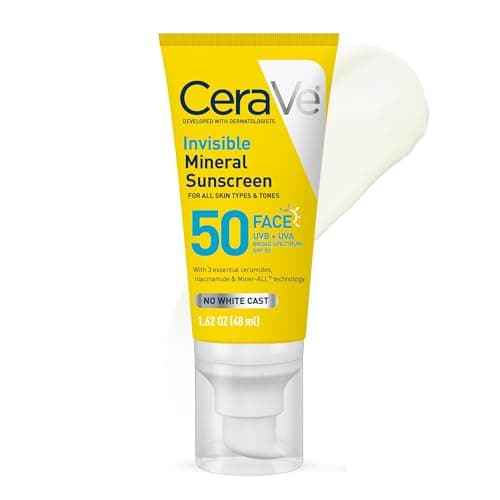
Our overall pick is CeraVe Hydrating Mineral SPF 50: both mineral filters with ceramides and hyaluronic acid in the base, a 40-minute water-resistance claim, and a finish that does not go chalky by mid-morning. The budget pick is Vanicream Facial Moisturizer SPF 30, which is a moisturiser with zinc in it rather than the other way round, and is the cheapest honest two-in-one here.
Dry skin is the one skin type that the modern sunscreen shelf is actively bad at serving. Almost every formulation trend of the last decade — oil-free, matte, weightless, primer-like — makes a sunscreen worse on dry skin, because they all work by removing the emollients that dry skin needs. Put a matte gel on a dehydrated face and it finds every flake, sets tight, and lifts at the edges by lunchtime.
The filters are not the problem. A mineral and a chemical sunscreen both come in dry-skin-friendly and dry-skin-hostile versions, and the variable is the base. So this page is picked on bases: ceramides, hyaluronic acid, petrolatum and plain emollient creams, with the filter as a secondary question.
Quick picks
Tap any row to read the full write-up below.
| # | Product | Best for | Price |
|---|---|---|---|
| 1 | 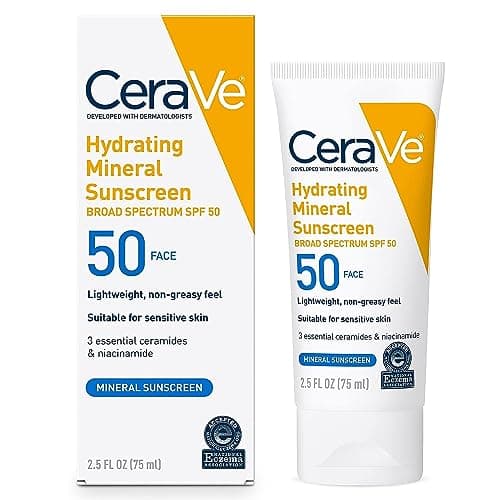 CeraVe Hydrating Mineral Sunscreen SPF 50 FaceBest overall · SPF 50 | A daily face SPF that behaves on dry, tight skin | $13.97 · View on Amazon #ad We earn from qualifying purchases · Price as of November 23, 2026 |
| 2 | 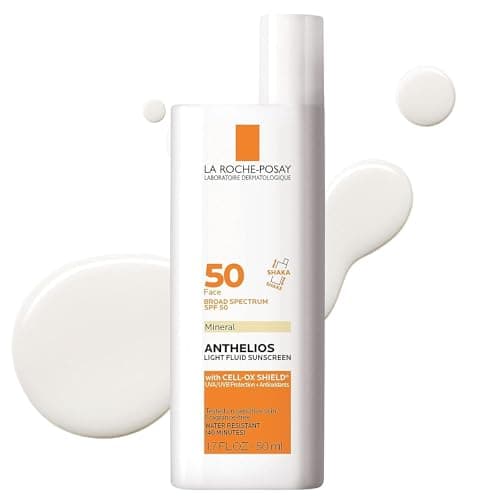 La Roche-Posay Anthelios Mineral SPF 50 Face SunscreenBest for reactive dry skin · SPF 50 | Dry skin that is also easily irritated or post-procedure | |
| 3 | 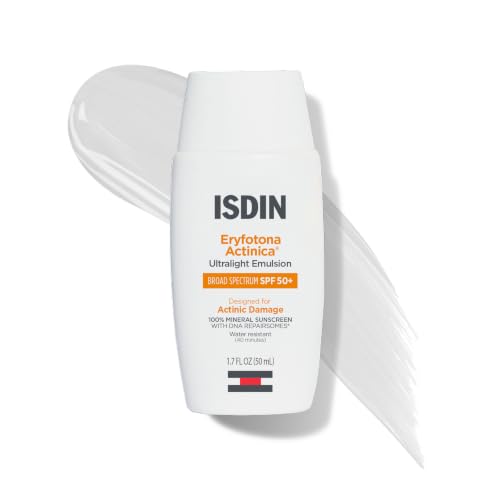 ISDIN Eryfotona Actinica Mineral Sunscreen SPF 50+Best for mature dry skin · SPF 50+ | Older, drier skin with a history of sun damage | $32.20 · View on Amazon #ad We earn from qualifying purchases · Price as of November 23, 2026 |
| 4 | 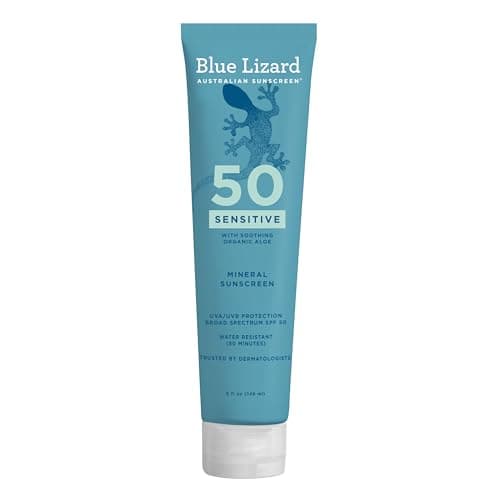 Blue Lizard Sensitive Mineral Sunscreen SPF 50+Best for the body · SPF 50+ | Dry arms, legs and back, and anything involving water | $13.46 · View on Amazon #ad We earn from qualifying purchases · Price as of November 23, 2026 |
| 5 | 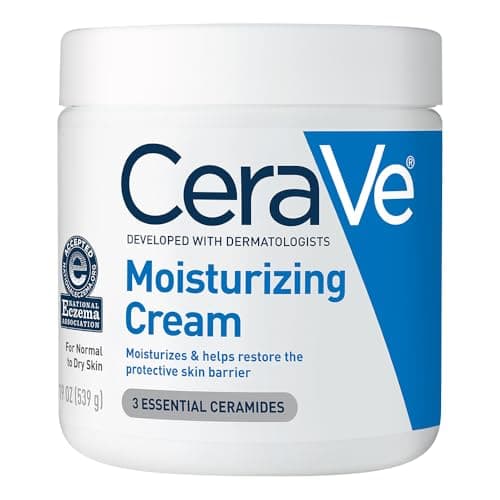 CeraVe Moisturizing CreamBest layer underneath · None — after-sun care, not sun protection | The step that stops your sunscreen flaking | $17.80 · View on Amazon #ad We earn from qualifying purchases · Price as of November 23, 2026 |
| 6 | 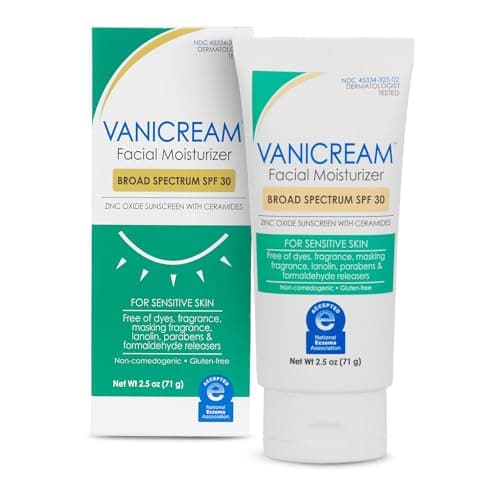 Vanicream Facial Moisturizer SPF 30Budget pick · SPF 30 | One step instead of two, on reactive dry skin | $13.97 · View on Amazon #ad We earn from qualifying purchases · Price as of November 23, 2026 |
Why dry skin and modern sunscreen fight
A sunscreen has to lay down a continuous film to deliver the SPF on its label. On well-hydrated skin that happens easily. On dry skin the surface is not continuous to begin with: there are raised flakes, fine cracks and areas where the barrier is compromised, and a thin, fast-drying formula follows that topography instead of covering it. The result looks patchy and almost certainly protects patchily too.
There is a second problem that gets less attention. Dry skin is frequently also a damaged-barrier situation, which makes it more reactive, and reactive skin plus fragrance plus alcohol-heavy quick-dry formulas is how people end up concluding that they cannot wear sunscreen at all. The best sunscreen for a compromised skin barrier is the page to read if that is where you are.
What we looked for
- Emollients or humectants in the base, named on the listing: ceramides, hyaluronic acid, glycerin or petrolatum rather than a silicone-and-alcohol quick-dry system.
- Fragrance-free, because dry skin is usually compromised skin and fragrance is the most common trigger in a sunscreen reaction.
- SPF 30 or higher with a broad-spectrum claim, read off the US actives panel.
- A cream or lotion texture rather than a gel or a fluid. Thicker is better here, which is the opposite of our advice for oily skin.
- One product that does moisturiser and SPF in a single step, because a two-step morning routine is the one people abandon in winter. Our methodology.
We run no laboratory and do not test products. Every figure below comes from the brand's own US listing or its published OTC drug label, and nothing here is medical advice.
The picks compared
| Product | SPF | Actives and base | Water resistance |
|---|---|---|---|
| CeraVe Hydrating Mineral Face | SPF 50 | Zinc oxide and titanium dioxide, with ceramides | 40 minutes |
| La Roche-Posay Anthelios Mineral | SPF 50 | Titanium dioxide with antioxidants | 40 minutes |
| ISDIN Eryfotona Actinica | SPF 50+ | Zinc oxide as the sole active filter | Not claimed |
| Blue Lizard Sensitive Mineral | SPF 50+ | Zinc oxide and titanium dioxide, fragrance-free | 80 minutes |
| CeraVe Moisturizing Cream | No SPF | No UV filters — ceramides and hyaluronic acid | Not applicable |
| Vanicream Facial Moisturizer SPF 30 | SPF 30 | Zinc oxide in a low-irritant base | Not claimed |
Our picks in detail
01 · Best overall
CeraVe Hydrating Mineral Sunscreen SPF 50 Face
CeraVe · Read our CeraVe review
Zinc oxide and titanium dioxide with ceramides and hyaluronic acid in the base, at SPF 50 with a 40-minute water-resistance claim. The base is why it wins: ceramides and a humectant mean the film lays down over dry patches instead of clinging to them, and it stays comfortable for a full day rather than tightening after an hour.
- Actives:
- Zinc oxide and titanium dioxide, with ceramides and hyaluronic acid
- SPF:
- SPF 50
- Water resistance:
- 40 minutes
- Reef status:
- Mineral filters only
- Best for:
- A daily face SPF that behaves on dry, tight skin
What works
- Ceramides and hyaluronic acid in the base, not just marketing
- Both mineral filters at SPF 50 with a 40-minute claim
- Cheap enough to apply a full facial dose daily
The trade-off
- Leaves a visible cast that needs working in
- Too rich for oily skin, especially in summer
- 40 minutes, so not a swimming or heavy-sweat product
#ad We earn from qualifying purchases · Price as of November 23, 2026
02 · Best for reactive dry skin
La Roche-Posay Anthelios Mineral SPF 50 Face Sunscreen
La Roche-Posay
Titanium dioxide with antioxidants at SPF 50, with a 40-minute water-resistance claim, in a cream rather than a fluid. It is the pharmacy-shelf answer for a face that reacts to things: a short, simple mineral formula in an emollient base, widely stocked so you can replace it anywhere.
- Actives:
- Titanium dioxide with antioxidants
- SPF:
- SPF 50
- Water resistance:
- 40 minutes
- Reef status:
- Mineral filters only
- Best for:
- Dry skin that is also easily irritated or post-procedure
What works
- SPF 50 with a 40-minute water-resistance claim
- Simple mineral formula on reactive skin
- Stocked in most US pharmacies
The trade-off
- Titanium leaves a cooler, more visible cast
- Costs more than the drugstore mineral tubes
- Untinted, so no help with any pigmentation
03 · Best for mature dry skin
ISDIN Eryfotona Actinica Mineral Sunscreen SPF 50+
ISDIN
Zinc oxide as the sole active filter at SPF 50+, in the dermatology-counter formulation of this category. It is lighter than the creams above, which on very dry skin means it wants a proper moisturiser underneath, and its reason to exist is high daily protection on skin that has already taken decades of ultraviolet.
- Actives:
- Zinc oxide as the sole active filter
- SPF:
- SPF 50+
- Water resistance:
- Not labeled water resistant
- Reef status:
- Zinc only
- Best for:
- Older, drier skin with a history of sun damage
What works
- Zinc-only filter at SPF 50+
- Absorbs faster than most mineral creams
- Formulated for skin with existing actinic damage
The trade-off
- No water-resistance claim at all
- Needs a moisturiser underneath on very dry skin
- The most expensive pick on this page
#ad We earn from qualifying purchases · Price as of November 23, 2026
04 · Best for the body
Blue Lizard Sensitive Mineral Sunscreen SPF 50+
Blue Lizard · Read our Blue Lizard review
Zinc oxide and titanium dioxide, fragrance-free, at SPF 50+ with the full 80 minutes of water resistance a US label may claim, in a bottle big enough to be generous with. Dry skin is rarely only a face problem, and this is the one pick here that covers a body properly and survives a swim.
- Actives:
- Zinc oxide and titanium dioxide
- SPF:
- SPF 50+
- Water resistance:
- 80 minutes
- Reef status:
- Mineral filters only; the Sensitive formula omits oxybenzone and octinoxate
- Best for:
- Dry arms, legs and back, and anything involving water
What works
- 80 minutes of water resistance, the maximum claim allowed
- Fragrance-free, which matters on dry, reactive skin
- Large bottle, so you can apply a real body dose
The trade-off
- Thick and slow to rub in
- Obvious cast on a body, especially on deeper skin
- Heavier than most people want on a face
#ad We earn from qualifying purchases · Price as of November 23, 2026
05 · Best layer underneath
CeraVe Moisturizing Cream
CeraVe · Read our CeraVe review
No UV filters at all — this is a fragrance-free ceramide and hyaluronic acid cream, and it is on this page because it is the thing that makes every sunscreen above work better. On dry skin the sunscreen rarely needs changing; the layer under it does. Apply it to damp skin, wait two minutes, then put the SPF on.
- Actives:
- No UV filters — ceramides and hyaluronic acid, fragrance-free
- SPF:
- None — after-sun care, not sun protection
- Water resistance:
- Not applicable
- Reef status:
- Not applicable — contains no UV filters
- Best for:
- The step that stops your sunscreen flaking
What works
- Ceramides and hyaluronic acid, fragrance-free
- One large tub lasts months and works on body and face
- Fixes the pilling and flaking most sunscreen complaints come from
The trade-off
- No sun protection whatsoever — it is not a sunscreen
- Too heavy for oily skin
- Needs two minutes to absorb, which is a real step
#ad We earn from qualifying purchases · Price as of November 23, 2026
06 · Budget pick
Vanicream Facial Moisturizer SPF 30
Vanicream · Read our Vanicream review
Zinc oxide in a base Vanicream formulates without common irritants, at SPF 30, sold as a facial moisturiser with sunscreen rather than a sunscreen with moisturiser added. That framing is honest and it is the appeal: for a dry, reactive face on a morning with no time, this is the one product that genuinely does both jobs.
- Actives:
- Zinc oxide, in a base Vanicream formulates without common irritants
- SPF:
- SPF 30
- Water resistance:
- Not claimed — a daily facial moisturizer, not a water-resistant sunscreen
- Reef status:
- Zinc only — no oxybenzone, octinoxate or octocrylene
- Best for:
- One step instead of two, on reactive dry skin
What works
- Moisturiser and SPF in a single step
- Zinc-only filter in a deliberately minimal base
- The lowest price on this page
The trade-off
- SPF 30 rather than 50
- No water-resistance claim
- Not rich enough to replace a proper cream on very dry skin
#ad We earn from qualifying purchases · Price as of November 23, 2026
The layering order that fixes most of this
Even the best sunscreen for dry skin works better over something. The sequence is not complicated and it is worth getting right, because the common mistake — applying sunscreen onto bare dry skin and hoping the base is rich enough — is what produces the flaking.
- Damp skin first. Apply onto skin that is still slightly damp from washing, which gives the humectants something to hold.
- Moisturiser, and give it two minutes. A plain fragrance-free cream, not a serum. Letting it absorb is the step people skip and the one that stops the sunscreen pilling.
- Then sunscreen, in a real dose. About a quarter teaspoon for a face. Press it on in sections rather than rubbing it across, which drags less on dry patches.
- Nothing matte on top. A setting powder over a dry face undoes all of the above.
Sunscreen in your routine order covers where SPF sits among actives, and mixing sunscreen with moisturiser explains why combining them in your palm is the one shortcut not to take.
Why mineral is usually the better bet here
This is a preference rather than a rule, and the reason is formulation convention rather than chemistry. Mineral sunscreens have to be suspended in something, and that something is generally an emollient cream base, which is exactly what dry skin wants. The clear, weightless chemical formulas achieve their finish partly through volatile solvents and film-formers that evaporate fast, and fast evaporation on dry skin feels tight.
There are rich chemical sunscreens and there are horrible chalky mineral ones, so read the base rather than the filter class. But if you are choosing blind, a mineral cream is the better opening guess for dry skin, and it is the one we have led with. Mineral vs chemical sunscreen covers the wider comparison.
Winter is a different problem from summer
Dry skin is usually seasonal, and the sunscreen that works in July can be unwearable in January. Cold air holds less moisture, indoor heating strips more, and the same tube that felt balanced in summer now sits on top of a tight, flaky surface. The fix is to change the layer underneath rather than the sunscreen: a heavier cream in winter, back to a lighter one in spring.
Do not treat winter as a reason to stop. Ultraviolet does not disappear in cold weather, snow reflects a large share of it back up at you, and a cloudy winter afternoon still transmits a meaningful dose. Sunscreen on cloudy days and the best sunscreen for skiing cover the cold-weather case.
What we would actually buy
One tub of plain fragrance-free cream as the layer underneath, one hydrating mineral face SPF for the mornings, and the Vanicream two-in-one in a bag for the days when a two-step routine is not going to happen. If your dry skin is also reactive, the best sunscreen for sensitive skin and the best sunscreen for eczema are the two pages written for that, and the best face sunscreens under $25 is the price-led version of this list.
Sources
- Sunscreen FAQs — American Academy of Dermatology
- How to prevent skin cancer — American Academy of Dermatology
- Sunscreen: How to Help Protect Your Skin from the Sun — U.S. Food and Drug Administration
- Questions and Answers: FDA Requirements for Over-the-Counter Sunscreen Products — U.S. Food and Drug Administration
- Sunscreen — Skin Cancer Foundation
Frequently asked questions
What is the best sunscreen for dry skin?
CeraVe Hydrating Mineral SPF 50 is our pick, because the base carries ceramides and hyaluronic acid and the film lays down over dry patches rather than clinging to them. For a single-step option, Vanicream Facial Moisturizer SPF 30 is a moisturiser with zinc in it and the cheapest honest two-in-one we would recommend.
Why does my sunscreen flake and pill on dry skin?
Two reasons, usually together. The surface is not continuous, so a thin fast-drying formula follows the flakes instead of covering them, and the layer underneath was either missing or not given time to absorb. Apply moisturiser to damp skin, wait two minutes, then press the sunscreen on in sections rather than rubbing it across.
Is mineral or chemical sunscreen better for dry skin?
Mineral is the better opening guess, for formulation reasons rather than chemical ones: mineral filters are suspended in emollient cream bases, while the clear weightless chemical formulas get their finish partly from fast-evaporating solvents that feel tight on dry skin. Rich chemical sunscreens exist, so read the base rather than the filter class.
Can a sunscreen replace moisturiser if your skin is dry?
Not on genuinely dry skin. A hydrating sunscreen is formulated to deliver a UV film first, with the moisturising ingredients there to make it wearable. If your skin is tight or flaking you need both, and the two-minute gap between them is what stops the sunscreen pilling.
Should you avoid oil-free sunscreen if your skin is dry?
Generally yes. Oil-free and matte are formulated for the opposite problem, and on dry skin they emphasise texture and set tight. Those are good properties for oily or congestion-prone skin and bad ones here, which is a clear case where the right answer depends entirely on the skin rather than the product being better or worse.
Does dry skin need sunscreen in winter?
Yes. Ultraviolet does not stop in cold weather, snow reflects a large share of it back upward, and a cloudy winter day still transmits a meaningful dose. What changes in winter is the layer underneath: go heavier on the moisturiser and keep the same sunscreen rather than giving up on it.
Read next
Reef-Safe & Ingredients
The best sunscreen for a compromised skin barrier
Sunscreen for skin that is mid-flare, post-procedure or over-exfoliated: short mineral panels, barrier ingredients, and the formats you can apply without dragging.
Face & Tinted SPF
Can sunscreen replace moisturizer?
When a facial sunscreen is enough on its own, when you still need a separate moisturizer, and the formulas that genuinely do both jobs.
Face & Tinted SPF
The best mineral sunscreen for your face
Seven mineral face sunscreens across zinc-only, zinc-and-titanium and tinted, picked on the actives panel and on whether you can wear the finish every day.
Reef-Safe & Ingredients
The best sunscreen for sensitive skin
Fragrance-free mineral formulas for reactive skin, chosen on the inactive ingredients.
Face & Tinted SPF
The best face sunscreens under $25
Five face sunscreens under $25 across hydrating, clear, matte and stick formats, picked on the actives panel rather than on being the cheapest tube on the shelf.
Face & Tinted SPF
Can you mix sunscreen with moisturizer?
Why palm-mixing sunscreen into moisturizer lowers the protection you get, what to do instead, and the one case where mixing a little into something else is defensible.