Sun Safety
The best sunscreen for golf
Eighteen holes is four hours of unshaded sun at the exact time of day UV peaks — and the one thing a golfer cannot have is greasy hands.
Disclosure: Spf & Shore earns commission from qualifying purchases made through links on this page, at no extra cost to you. It does not change which products we recommend. Read the full disclosure.
Our overall pick is the Neutrogena Ultra Sheer Face & Body Mineral Stick SPF 50: 21.6% zinc oxide, 80 minutes of water resistance, and a solid you can apply on the tee without greasing the hand that has to hold a club. Format is most of the problem in golf, and a stick solves the part of it that no lotion can.
The arithmetic is what gets golfers, not carelessness. A round of eighteen holes takes about four hours, almost all of it on open ground with no shade, and a morning or midday tee time puts you outside through the window the EPA names as the strongest part of the UV day — roughly 10am to 4pm. One application at the first tee has worn off somewhere around the ninth, and the one place most people will not put sunscreen is the hands.
So this page is built around a round rather than around a bottle: what to apply before you leave, what to carry in the bag, and which pieces of kit mean less reapplying.
Quick picks
Tap any row to read the full write-up below.
| # | Product | Best for | Price |
|---|---|---|---|
| 1 | 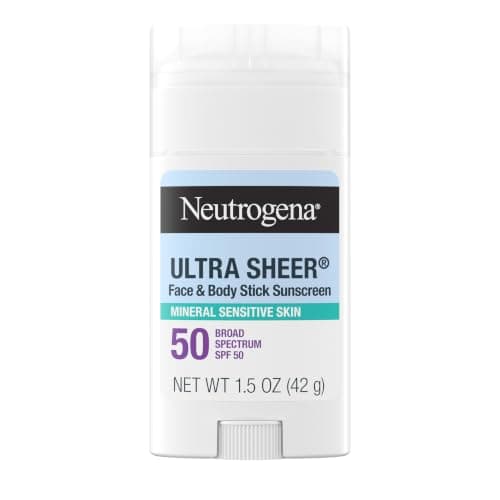 Neutrogena Ultra Sheer Face & Body Mineral Sunscreen Stick SPF 50Best overall for golf · SPF 50 | The turn top-up, with no residue on your grip | $15.00 · View on Amazon #ad We earn from qualifying purchases · Price as of November 23, 2026 |
| 2 | 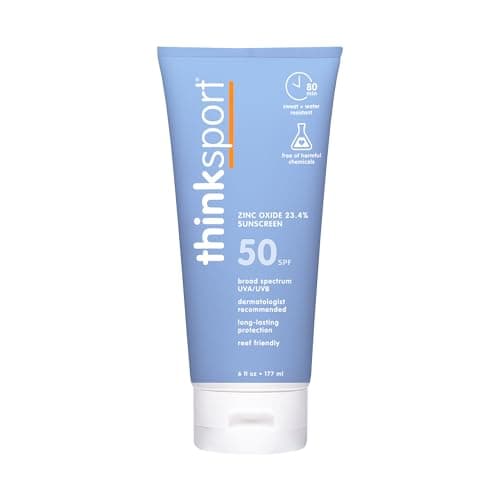 Thinksport Sunscreen SPF 50+Best pre-round lotion · SPF 50+ | The proper application you do at home before you leave | $14.99 · View on Amazon #ad We earn from qualifying purchases · Price as of November 23, 2026 |
| 3 | 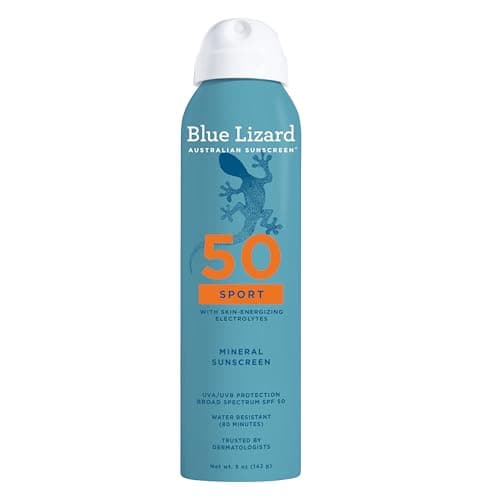 Blue Lizard Sport Mineral Sunscreen Spray SPF 50+Fastest over the neck and arms · SPF 50+ | Covering the back of your own neck without a mirror | $18.94 · View on Amazon #ad We earn from qualifying purchases · Price as of November 23, 2026 |
| 4 | 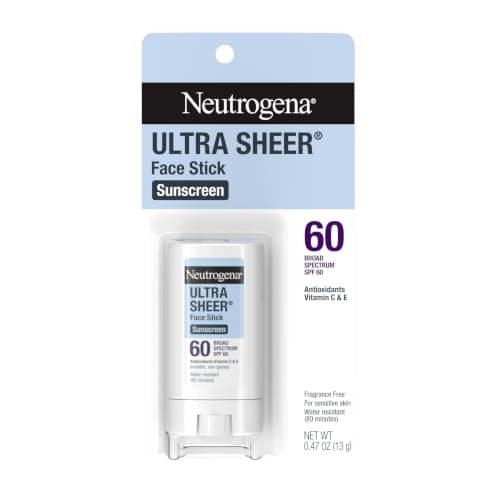 Neutrogena Ultra Sheer Face Sunscreen Stick SPF 60Best for the face · SPF 60 | A face top-up that will not run into your eyes | $10.99 · View on Amazon #ad We earn from qualifying purchases · Price as of November 23, 2026 |
| 5 | 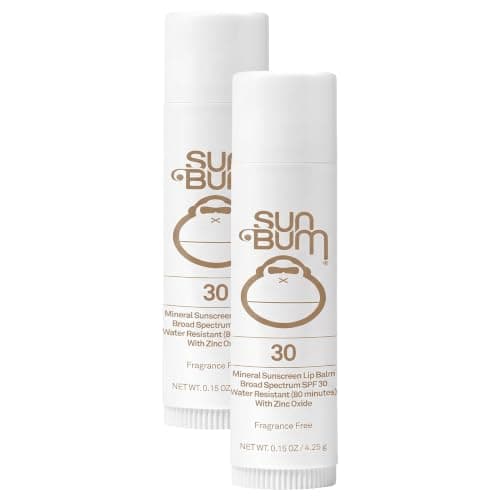 Sun Bum Mineral SPF 30 Sunscreen Lip BalmBest for lips · SPF 30 | The area that wears off fastest on a four-hour round | $7.98 · View on Amazon #ad We earn from qualifying purchases · Price as of November 23, 2026 |
| 6 | 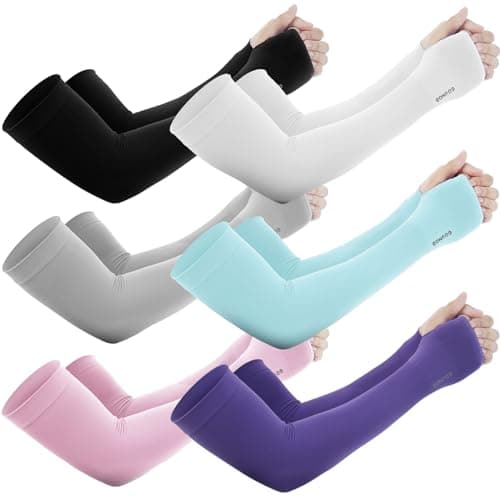 GOUNOD Sun Protection Cooling Arm Sleeves UPF 50+Budget pick · UPF 50+ | Taking your forearms out of the problem entirely | $11.25 · View on Amazon #ad We earn from qualifying purchases · Price as of November 23, 2026 |
| 7 | 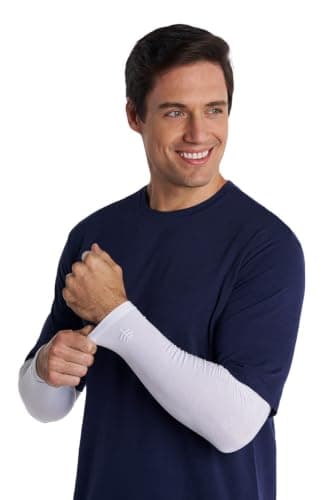 Coolibar Sun Arm Sleeves UPF 50+Best sleeves to keep · UPF 50+ | Playing several times a week through a season | $32.00 · View on Amazon #ad We earn from qualifying purchases · Price as of November 23, 2026 |
| 8 | 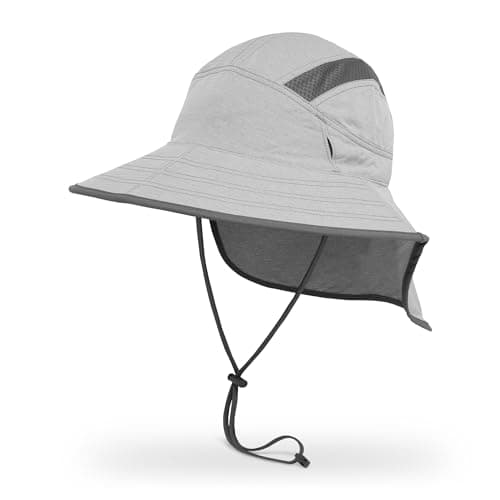 Sunday Afternoons Ultra Adventure Hat UPF 50+Best real brim · UPF 50+ | Covering the ears and the back of the neck a cap misses | $60.00 · View on Amazon #ad We earn from qualifying purchases · Price as of November 23, 2026 |
| 9 | 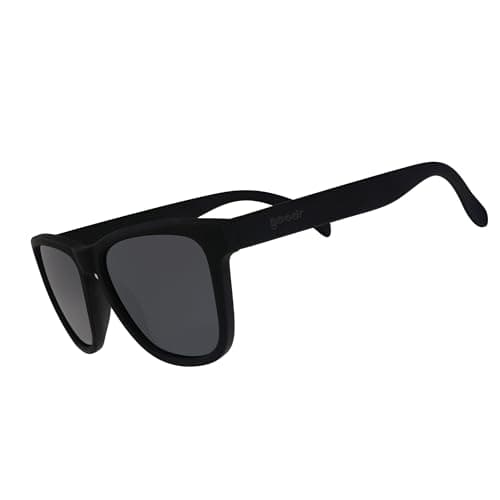 goodr OG Polarized SunglassesBest sunglasses for a round · UV400 lens (UVA and UVB) | Glare off water and sand, with lenses that stay put | $30.00 · View on Amazon #ad We earn from qualifying purchases · Price as of November 23, 2026 |
Why a golf course is a hard UV environment
Four things stack up, and each of them is easy to miss while it is happening.
- Duration. Four hours is longer than a sunscreen's useful life. Every major dermatology body puts reapplication at every two hours, which means a round needs at least one top-up and realistically two, and a cart ride between nines is the only natural break you get.
- No shade. A fairway is designed to be open. Trees are usually where you do not want your ball, so a well-played round is a round spent in full sun, and the half-minute under a tree while someone else plays is not meaningful cover.
- Tee times land in the worst window. The EPA's guidance is that UV is strongest between 10am and 4pm, which is also when most rounds are played. An 8am tee time is genuinely better protection than an 11am one, and it costs nothing.
- Reflection and glare. Water hazards and bunker sand both throw light back at you from below, which reaches the underside of the chin, the nose and the eyelids — the places a cap brim does nothing about.
Add in sweat, a glove on one hand and a club that has to stay in the other, and you have a situation where the usual advice — slather a lotion on, reapply every two hours — collides with the practicalities. What UV index needs sunscreen covers how to read the day before you book a tee time.
The grip problem, which decides everything else
This is the specific reason golf needs its own answer rather than a general beach roundup. A golfer cannot have slippery hands, and there is no sink on the course. Put a body lotion on at the turn and the next three holes are played with a residue on your palms, which is why most golfers quietly stop reapplying after the first tee.
A stick fixes it. You hold the barrel, not the product, so your palms stay dry and the top-up takes fifteen seconds in a cart. A spray fixes the back of the neck and the forearms the same way if you spray away from your hands and smooth it in with the back of a wrist. What does not work is a lotion carried loose in a bag: it will not be used.
What we looked for
- A format that leaves your grip dry. Sticks first, sprays second, lotions only for what you apply before you leave the house.
- SPF 50 with a broad-spectrum claim, read off the US actives panel rather than the front of the carton. Four hours of exposure is not the place to run SPF 30.
- 80 minutes of water resistance wherever the format allows it — the maximum a US label may claim — because a round in summer means sweat whether or not it means water.
- Mineral filters where we can get them, both because that is what this site's reader buys and because zinc does not sting when sweat carries it toward your eyes mid-backswing.
- Something for the left forearm and the hands, which is a clothing problem more than a sunscreen one.
- Lips and eyes treated as part of the job, not accessories. Our methodology.
We do not run a laboratory and we do not field-test. Every label fact here comes from the brand's own US listing or its published OTC drug label, and the two UPF numbers come from the manufacturer's rating.
The picks compared
| Product | Format | Actives or UPF | Water resistance |
|---|---|---|---|
| Neutrogena Ultra Sheer Face & Body Mineral Stick SPF 50 | Stick | 21.6% zinc oxide | 80 minutes |
| Thinksport SPF 50+ | Body lotion | 20% non-nano zinc oxide | 80 minutes |
| Blue Lizard Sport Mineral Spray SPF 50+ | Continuous spray | Zinc oxide, mineral only | 80 minutes |
| Neutrogena Ultra Sheer Face Sunscreen Stick SPF 60 | Face stick | See card — read off the drug label | 80 minutes |
| Sun Bum Mineral Lip Balm SPF 30 | Lip balm | 8% zinc oxide | 80 minutes |
| GOUNOD Cooling Arm Sleeves | Arm sleeves | UPF 50+ per the manufacturer | n/a |
| Coolibar Sun Arm Sleeves | Arm sleeves | UPF 50+ per the manufacturer | n/a |
| Sunday Afternoons Ultra Adventure Hat | Wide-brim hat | UPF 50+ per the manufacturer | n/a |
| goodr OG Polarized | Sunglasses | Polarized, UV400 per the manufacturer | n/a |
Our picks in detail
01 · Best overall for golf
Neutrogena Ultra Sheer Face & Body Mineral Sunscreen Stick SPF 50
Neutrogena
21.6% zinc oxide at SPF 50 with 80 minutes of water resistance, in a format you can use on a cart in fifteen seconds without greasing a palm. It is large enough to cover a face, ears, neck and a forearm, which is more than most sticks manage, and that is exactly the list of places a golfer needs.
- Actives:
- 21.6% zinc oxide
- SPF:
- SPF 50
- Water resistance:
- 80 minutes
- Reef status:
- Zinc only — no oxybenzone, octinoxate or octocrylene
- Best for:
- The turn top-up, with no residue on your grip
What works
- Zinc oxide at a high concentration, with 80 minutes of water resistance
- Leaves your hands completely dry, so the grip is unaffected
- Big enough barrel to cover a forearm, not just a nose
The trade-off
- Needs several firm passes per area, which people rush
- Leaves a visible cast until it is worked in
- Drags on dry skin unless you warm it for a moment first
#ad We earn from qualifying purchases · Price as of November 23, 2026
02 · Best pre-round lotion
Thinksport Sunscreen SPF 50+
Thinksport · Read our Thinksport review
20% non-nano zinc oxide as the only filter with 80 minutes of water resistance, in tubes big enough that applying a full dose to arms, neck and face never feels extravagant. This is the bottle that lives at home and does the job properly twenty minutes before you tee off, not the one you carry.
- Actives:
- 20% non-nano zinc oxide
- SPF:
- SPF 50+
- Water resistance:
- 80 minutes
- Reef status:
- Zinc only — no oxybenzone, octinoxate or octocrylene
- Best for:
- The proper application you do at home before you leave
What works
- Zinc-only actives at a genuinely high concentration
- 80 minutes of water resistance for a hot, sweaty round
- Large tubes, so a correct dose is affordable
The trade-off
- A lotion is the wrong thing to reapply on a course
- Noticeably white going on and needs a minute of rubbing
- Too thick for most people to want on a face under a cap
#ad We earn from qualifying purchases · Price as of November 23, 2026
03 · Fastest over the neck and arms
Blue Lizard Sport Mineral Sunscreen Spray SPF 50+
Blue Lizard · Read our Blue Lizard review
A mineral spray at SPF 50+ with 80 minutes of water resistance, which is the only format that reaches the back of your own neck properly on your own. Spray away from your hands and smooth it with the back of a wrist, and your grip stays clean.
- Actives:
- 24% zinc oxide as the sole active filter
- SPF:
- SPF 50+
- Water resistance:
- 80 minutes
- Reef status:
- Zinc only — no oxybenzone or octinoxate
- Best for:
- Covering the back of your own neck without a mirror
What works
- Mineral filters in a spray, which is still uncommon
- 80 minutes of water resistance
- Reaches the back of the neck and shoulders unaided
The trade-off
- Sprays go on thinner than the label dose unless you rub them in
- An exposed fairway in wind takes a real share of it
- Not a format to use on your face — spray into a hand first
#ad We earn from qualifying purchases · Price as of November 23, 2026
04 · Best for the face
Neutrogena Ultra Sheer Face Sunscreen Stick SPF 60
Neutrogena
An SPF 60 face stick with 80 minutes of water resistance, sized and textured for facial skin rather than for a body. It goes along the brow line, the nose and the top of the cheeks without sting, which is the specific failure that makes golfers stop reapplying to their faces.
- Actives:
- Avobenzone 3%, homosalate 15%, octisalate 5%, octocrylene 10%
- SPF:
- SPF 60
- Water resistance:
- 80 minutes
- Reef status:
- Contains octocrylene — chemical filters, not a zinc formula
- Best for:
- A face top-up that will not run into your eyes
What works
- SPF 60, the highest number on this page
- 80 minutes of water resistance
- Goes on the brow line without running into your eyes
The trade-off
- A small barrel, so it is a face product only
- Slow to cover a whole face properly
- Leaves a slight sheen some people dislike in photos
#ad We earn from qualifying purchases · Price as of November 23, 2026
05 · Best for lips
Sun Bum Mineral SPF 30 Sunscreen Lip Balm
Sun Bum · Read our Sun Bum review
8% zinc oxide at SPF 30 with 80 minutes of water resistance. Lips have very little melanin of their own, they get no help from a cap brim, and they lose their covering every time you drink from a bottle — which on a hot round is often.
- Actives:
- 8% zinc oxide
- SPF:
- SPF 30
- Water resistance:
- 80 minutes
- Reef status:
- Zinc only — no oxybenzone or octinoxate
- Best for:
- The area that wears off fastest on a four-hour round
What works
- A mineral filter, which matters on skin that ends up in your mouth
- 80 minutes of water resistance
- Cheap enough to keep one in the bag and one in the car
The trade-off
- SPF 30 rather than 50
- Leaves a faint white tint on application
- Needs reapplying more often than anything else here
#ad We earn from qualifying purchases · Price as of November 23, 2026
06 · Budget pick
GOUNOD Sun Protection Cooling Arm Sleeves UPF 50+
GOUNOD
UPF 50+ per the manufacturer in a thin cooling knit, at a price that makes buying two pairs trivial. Fabric does not wear off, does not need a top-up at the turn and does not touch your grip, which makes sleeves the highest-value purchase on this page for the money.
- Actives:
- UPF 50+ knit sleeve with thumb holes
- SPF:
- UPF 50+
- Water resistance:
- Quick-dry
- Reef status:
- Not applicable
- Best for:
- Taking your forearms out of the problem entirely
What works
- UPF 50+ rated, and it cannot wear off during a round
- The cheapest item here by a wide margin
- Thin enough to wear under a long-sleeved polo if you want both
The trade-off
- Thin knits snag and pill faster than a premium sleeve
- Sizing runs small — check the measurements rather than the label
- Covers the forearm, not the back of the hand
#ad We earn from qualifying purchases · Price as of November 23, 2026
07 · Best sleeves to keep
Coolibar Sun Arm Sleeves UPF 50+
Coolibar
UPF 50+ per the manufacturer from a brand that builds nothing but sun-protective clothing, in a knit that holds its shape and its rating through repeated washing. It costs several times what a budget sleeve does and lasts accordingly, which is the right trade if you play regularly.
- Actives:
- UPF 50+ knit sleeve — the protection is the fabric, not a coating
- SPF:
- UPF 50+
- Water resistance:
- Quick-dry
- Reef status:
- Not applicable
- Best for:
- Playing several times a week through a season
What works
- UPF 50+ rated, in a knit built to survive washing
- Stays put on a forearm through a full swing
- Sized properly, with a real size range
The trade-off
- Several times the price of a budget sleeve
- Warmer than the thinnest cooling knits in still air
- Still leaves the back of the hand exposed
#ad We earn from qualifying purchases · Price as of November 23, 2026
08 · Best real brim
Sunday Afternoons Ultra Adventure Hat UPF 50+
Sunday Afternoons
A UPF 50+ wide-brim hat per the manufacturer, with enough brim to shade the ears, the nose and the back of the neck — the three places golfers actually get sun damage and the three a cap leaves bare. It is the least fashionable recommendation on this page and the most protective.
- Actives:
- UPF 50+ crown with a neck cape
- SPF:
- UPF 50+
- Water resistance:
- Quick-dry
- Reef status:
- Not applicable
- Best for:
- Covering the ears and the back of the neck a cap misses
What works
- UPF 50+ rated, with a brim wide enough to shade ears and neck
- Breathable and built for long days outdoors
- Removes the single hardest reapplication area from the list
The trade-off
- It is not a cap, and some people will not wear one
- Catches wind on an exposed course
- The most expensive hat choice here
#ad We earn from qualifying purchases · Price as of November 23, 2026
09 · Best sunglasses for a round
goodr OG Polarized Sunglasses
goodr
Polarized lenses with full UV protection per the manufacturer, in a frame designed not to slide when you sweat — which is the reason they are a common sight on courses. Polarization is a comfort feature rather than a protection one, but on a course with water in play it earns its place.
- Actives:
- Polycarbonate lens the brand rates UV400, in a no-slip grip frame
- SPF:
- UV400 lens (UVA and UVB)
- Water resistance:
- Not applicable
- Reef status:
- Not applicable
- Best for:
- Glare off water and sand, with lenses that stay put
What works
- Polarized with full UV protection per the manufacturer
- Grippy frames that do not slide down a sweating nose
- Cheap enough that losing a pair is not a disaster
The trade-off
- The frame is not large enough to shade all of the eyelid
- Polarization can make reading a green's sheen harder for some players
- No side coverage, so light still reaches the eye from the temple
#ad We earn from qualifying purchases · Price as of November 23, 2026
A round, hole by hole
The useful way to think about this is as a schedule rather than a shopping list. Here is what actually works.
- Twenty minutes before you leave the house, apply a body lotion properly to the forearms, the back of the neck, the ears and the face. Doing it at home means a sink, a mirror and no hurry — which is why it is the only application that ever gets done to the full dose.
- On the first tee, put sleeves on and a brim on. This is the decision that removes most of the reapplication problem, because fabric does not wear off.
- At the turn, take ninety seconds in the cart: the stick over the nose, ears, the back of the neck and the left forearm if it is bare, and the lip balm. This is the single most valuable habit on the page.
- Hole 14 or so, lips again. Lip balm wears off faster than anything else you are wearing, because you talk, drink and eat through a round.
- In the clubhouse, look at the back of your neck and the tops of your ears in a mirror. That is the feedback loop that tells you whether your routine is working, and almost nobody closes it.
How often to reapply has the general rule, and how much sunscreen to apply has the dose by body area, which is the number that most of this depends on.
Why sleeves beat sunscreen on your arms
The forearms are the part of a golfer that gets the most cumulative sun and the least attention, and they are also the easiest part to solve permanently. A UPF 50+ sleeve does not wear off, does not need reapplying at the turn, and does not interact with your grip at all. Put them on at the first tee and the arms are handled for the whole round.
The objection is always heat, and it is worth answering honestly: a light sleeve in a breathable knit is usually cooler than a bare arm in direct sun, because it stops the radiant load reaching your skin. It is not cooler than a bare arm in shade. On a course there is no shade, so the comparison that matters is the first one. How UPF clothing works covers the ratings, and the best UPF sun sleeves and gloves is the full field.
The same logic applies to a long-sleeved polo. The best sun shirts covers the shirts worth owning, and a UPF shirt plus sleeves plus a brim reduces the sunscreen job to a face, two hands and a pair of ears.
The cap problem
Almost every golfer wears a cap, and a cap is the least effective sun hat in common use. It covers the scalp and shades the forehead and the eyes, and it leaves the ears, the back of the neck and the lower face completely exposed — which is precisely the list of places golfers get skin cancers.
A wide brim is a meaningful upgrade and a hat with a neck cape is a bigger one, and we understand that neither is what most people want to wear in a fourball. If the cap is non-negotiable, the compromise is simple: keep wearing it and treat the ears and the back of the neck as a stick job at every turn. The best sun hats has the hats, and sun protection for your hair and scalp matters if your hairline is thinning.
Sunglasses are protection, not an accessory
Golf involves looking into the distance across bright ground for four hours, often with water or sand throwing glare at you. Eyelid skin is thin and gets missed by sunscreen, and the eye itself takes UV damage that nothing else on this page addresses.
What you want is full UV protection — look for UV400 or 100% UVA/UVB on the manufacturer's spec — in a frame big enough to cover the eyelid and the skin beside the eye. Polarization is a comfort and glare feature rather than a protection one, but on a course with water in play it is genuinely useful. The best sunglasses for UV protection explains what the markings mean.
What about sunscreen on your hands?
This is the question golfers actually ask, and the honest answer is that sunscreen is the wrong tool for the hand that holds the club. A glove covers one hand; the other is bare and in the sun for four hours with the back of it facing straight up on every shot.
Two things work. A stick applied to the back of the bare hand only — not the palm or the fingers — stays out of your grip and protects the surface that is actually exposed. Or a UV glove or sleeve that extends over the back of the hand, which is a popular answer among people who drive a cart in a hot climate. The best UPF sun sleeves and gloves covers the glove options, including fingerless designs that leave your feel intact.
If you only do one thing
Buy a stick and keep it in the bag pocket you actually open. Not the one with the spare balls — the one with the tees and the ball marker, the one your hand goes into every few holes. A stick in the right pocket gets used at the turn, and a lotion in the wrong pocket gets carried around all season.
Then add sleeves at the start of next season, which permanently removes the single largest area of exposed skin from the problem. Those two purchases cover the great majority of the gap between what golfers do now and what they should. If you play in winter or at altitude, the best sunscreen for skiing and snowboarding covers the reflection and elevation effects, and the best sunscreen for running is the page for anyone whose main complaint is sweat carrying sunscreen into their eyes.
Sources
- Learn About the UV Index — U.S. Environmental Protection Agency
- How to prevent skin cancer — American Academy of Dermatology
- Sunscreen — Skin Cancer Foundation
- Sun-Protective Clothing — Skin Cancer Foundation
- Ultraviolet (UV) protection — American Optometric Association
Frequently asked questions
What SPF should I wear for golf?
SPF 50 with a broad-spectrum claim, and reapplied at the turn. A round is about four hours and every major dermatology body puts reapplication at every two hours, so the SPF number matters less than whether you top up once mid-round.
How do I reapply sunscreen without ruining my grip?
Use a stick. You hold the barrel rather than the product, so your palms stay dry, and a top-up to the nose, ears, neck and bare forearm takes about fifteen seconds in a cart. If you use a spray, spray away from your hands and smooth it in with the back of a wrist.
Should I put sunscreen on my hands for golf?
On the back of the bare hand only — not the palm and not the fingers. A stick is the right format for that. For the whole hand, a fingerless UV glove or a sleeve that extends over the back of the hand is the better answer, because it does not affect your feel on the club.
Is a golf cap enough sun protection?
No. A cap covers the scalp and shades the forehead, and leaves the ears, the back of the neck and the lower face exposed, which is where golfers most often get skin damage. If you will not switch to a wide brim, treat the ears and the back of the neck as a stick job at every turn.
What time of day is safest to play?
Early. The EPA names roughly 10am to 4pm as the strongest part of the UV day, so an 8am tee time is a meaningfully lower-exposure round than an 11am one, and it is the cheapest protection available to you.
Do sun sleeves make you hotter?
Against a bare arm in direct sun, usually not — a thin breathable sleeve stops the radiant load reaching your skin. Against a bare arm in shade, yes. On a golf course there is no shade, so the first comparison is the one that applies.
Read next
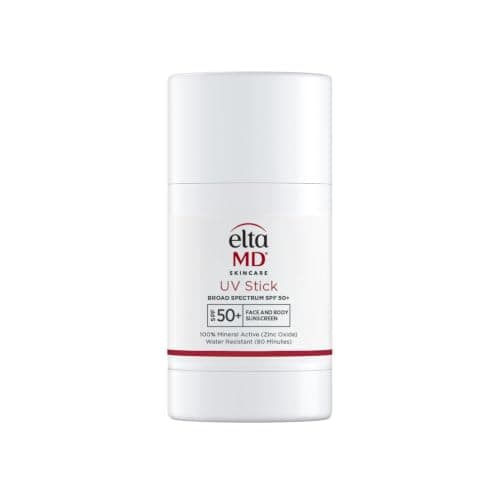
Sun Safety
The best sunscreen for running
Why running strips sunscreen faster than swimming, the 80-minute mineral picks that survive a long effort, and the fix for sunscreen in your eyes.
Sun Safety
The best sunscreen sticks
The sunscreen sticks worth buying, what their actives panels say, and the number of passes it takes to reach the SPF on the tube.
Sun Protective Gear
The best UPF sun sleeves and gloves
UPF 50+ arm sleeves, sun gloves and leg sleeves for the forearms, hands and shins a shirt and hat never reach.
Sun Protective Gear
The best sun hats
Wide-brim UPF 50+ hats for adults and children, and why a baseball cap is not enough.
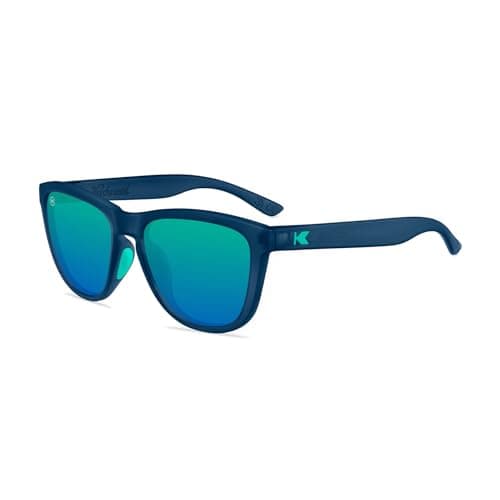
Sun Protective Gear
The best sunglasses for UV protection
Dark is not protective and polarized is not the same as UV-blocking. The optometrist criteria that matter and the sunglasses that meet them.
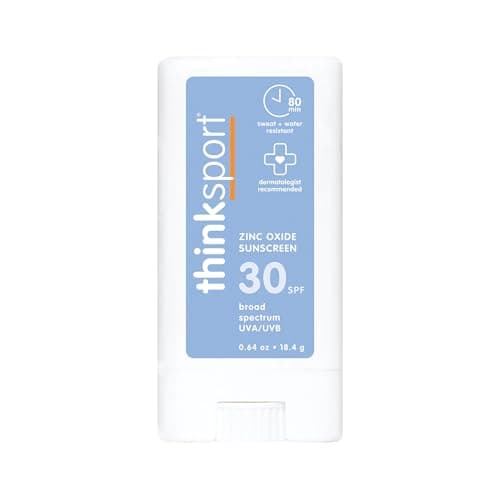
Sun Safety
The best sunscreen for hiking
Sweat-resistant sunscreen plus the shirt and hat that cut the reapplication job on a long exposed day.