Sun Safety
The best sunscreen for cycling
Wind evaporates the sweat that would otherwise warn you how hot you are, which is why cyclists burn on rides they never felt hot on.
Disclosure: Spf & Shore earns commission from qualifying purchases made through links on this page, at no extra cost to you. It does not change which products we recommend. Read the full disclosure.
Our overall pick is Thinksport SPF 50+: 20% non-nano zinc oxide, SPF 50+, and 80 minutes of water resistance, which on a bike means sweat resistance. The budget pick is the GOUNOD Cooling Arm Sleeves UPF 50+ at around a tenth of the price of a premium sleeve, because arms are most of a cyclist's exposed skin and fabric never sweats off.
Cycling has a specific sun problem, and it is not that cyclists are careless. Riding generates its own wind, which evaporates sweat and removes the heat cue that normally tells you how much sun you are taking. You finish a four-hour ride feeling fine and discover the burn in the shower. Meanwhile the sweat that did not evaporate has run off your forehead, carried sunscreen into your eyes, and taught you to stop putting it near your hairline.
So this page is built around a ride: what goes on before you clip in, what is worn rather than applied, and what does not sting when it reaches your eyes at mile forty.
Quick picks
Tap any row to read the full write-up below.
| # | Product | Best for | Price |
|---|---|---|---|
| 1 | 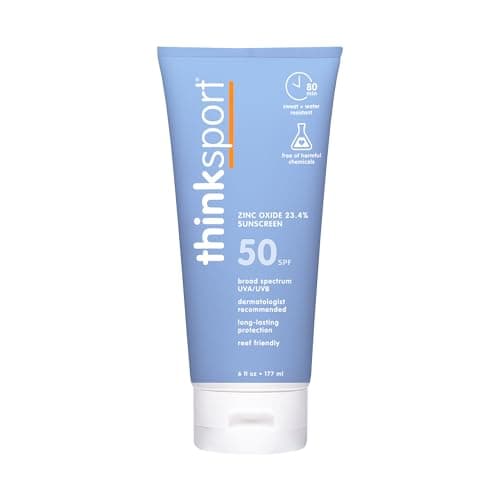 Thinksport Sunscreen SPF 50+Best overall · SPF 50+ | Legs, neck and shoulders before you clip in | $14.99 · View on Amazon #ad We earn from qualifying purchases · Price as of November 23, 2026 |
| 2 | 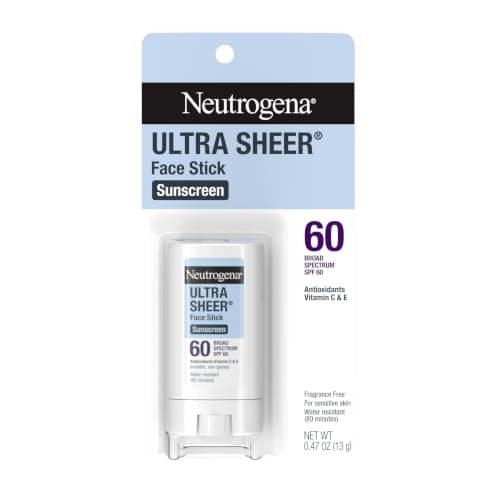 Neutrogena Ultra Sheer Face Sunscreen Stick SPF 60Best invisible face option · SPF 60 | Riders who will not wear a visible cast under a helmet | $10.99 · View on Amazon #ad We earn from qualifying purchases · Price as of November 23, 2026 |
| 3 | 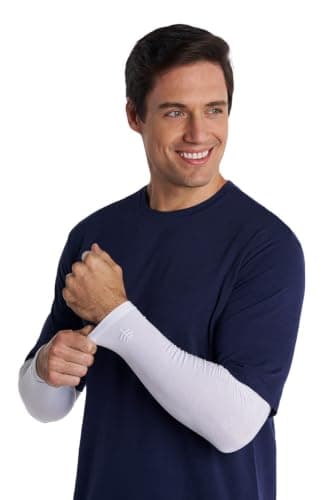 Coolibar Sun Arm Sleeves UPF 50+Best for arms · UPF 50+ | The largest patch of exposed skin on a cyclist | $32.00 · View on Amazon #ad We earn from qualifying purchases · Price as of November 23, 2026 |
| 4 | 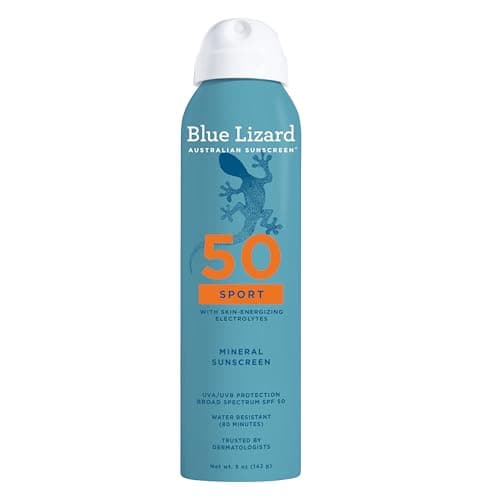 Blue Lizard Sport Mineral Sunscreen Spray SPF 50+Best for legs and backs · SPF 50+ | The first coat on the areas you cannot reach | $18.94 · View on Amazon #ad We earn from qualifying purchases · Price as of November 23, 2026 |
| 5 | 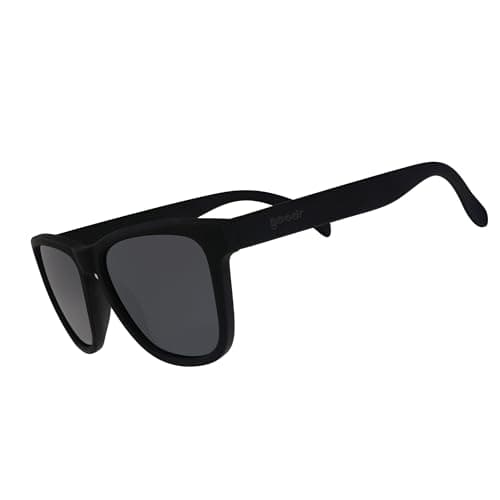 goodr OG Polarized SunglassesBest lens for a ride · UV400 lens (UVA and UVB) | Four hours of open eyes into direct light | $30.00 · View on Amazon #ad We earn from qualifying purchases · Price as of November 23, 2026 |
| 6 | 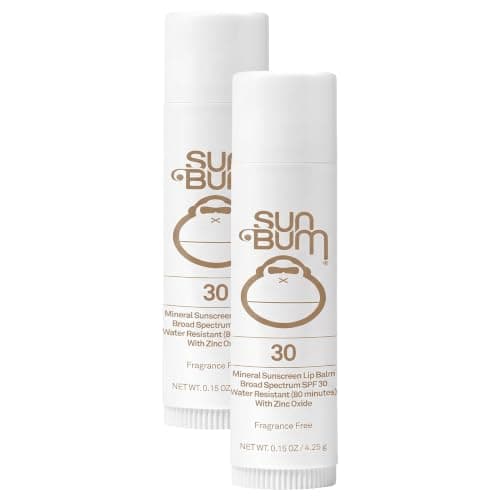 Sun Bum Mineral SPF 30 Sunscreen Lip BalmBest for lips · SPF 30 | A lower lip that gets wiped at every bottle | $7.98 · View on Amazon #ad We earn from qualifying purchases · Price as of November 23, 2026 |
| 7 | 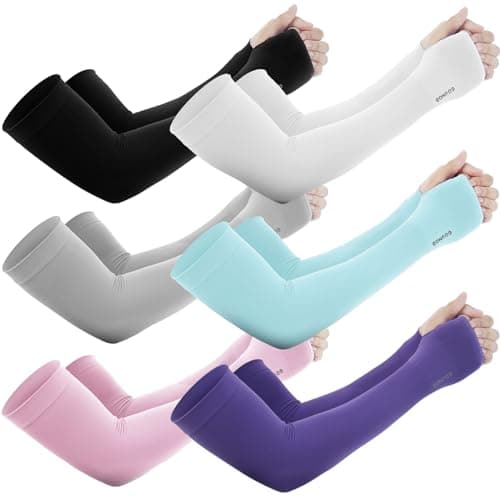 GOUNOD Sun Protection Cooling Arm Sleeves UPF 50+Budget pick · UPF 50+ | A first pair of sleeves, or spares for the whole family | $11.25 · View on Amazon #ad We earn from qualifying purchases · Price as of November 23, 2026 |
Why a long ride defeats a single application
A sunscreen's SPF is established with a measured dose on dry, still skin. A ride is the opposite condition: continuous sweating, constant airflow, jersey sleeves rubbing at the shoulder, and a duration that outruns any water-resistance claim. The longest claim a US label may carry is 80 minutes, so the second hour of a century ride is unprotected unless you have planned for it.
The exposure is also unusual in shape. A cyclist on the hoods presents the tops of the forearms, the back of the neck, the backs of the hands and the knees to the sky for hours, with almost no change in angle. Kit covers the torso. Everything that burns is in a narrow list, which is good news: a narrow list can be solved with fabric.
What we looked for
- Mineral filters that do not sting. Sweat carrying a chemical filter into the eye is the single most common reason cyclists abandon sunscreen on the face.
- 80 minutes of water resistance, the maximum a US label may claim, which is the closest thing to a sweat-resistance standard.
- A stick for the face, because it lets you cover cheekbones, nose and ears without putting anything near a sweating hairline.
- UPF sleeves rather than more lotion on arms. Fabric is rated to transmit a fiftieth of the UV that hits it and does not degrade as you sweat.
- A lens rated for UV rather than merely dark, since a cyclist's eyes are open into the light for the whole ride. Our methodology.
We do not road-test products and we run no laboratory. Every figure here comes off the brand's own US listing or its published OTC drug label.
The picks compared
| Product | What it covers | Material or actives | Water resistance |
|---|---|---|---|
| Thinksport SPF 50+ | Arms, legs, neck, shoulders | 20% non-nano zinc oxide | 80 minutes |
| Neutrogena Ultra Sheer Face Stick SPF 60 | Face under a helmet | Avobenzone, homosalate, octisalate, octocrylene | 80 minutes |
| Coolibar Sun Arm Sleeves UPF 50+ | Forearms and upper arms | UPF 50+ knit | Quick-dry |
| Blue Lizard Sport Mineral Spray SPF 50+ | Legs and back | 24% zinc oxide, sole filter | 80 minutes |
| goodr OG Polarized | Eyes and eyelids | Polycarbonate lens rated UV400 | Not applicable |
| Sun Bum Mineral Lip Balm SPF 30 | Lips | 8% zinc oxide | 80 minutes |
| GOUNOD Cooling Arm Sleeves UPF 50+ | Forearms, with thumb holes | UPF 50+ knit | Quick-dry |
Our picks in detail
01 · Best overall
Thinksport Sunscreen SPF 50+
Thinksport · Read our Thinksport review
20% non-nano zinc oxide as the sole filter at SPF 50+, with the maximum 80 minutes of water resistance a US label may claim. On a bike that claim is really a sweat claim, and a high-concentration mineral film is what still measurably exists an hour into a hot ride.
- Actives:
- 20% non-nano zinc oxide
- SPF:
- SPF 50+
- Water resistance:
- 80 minutes
- Reef status:
- Zinc only — no oxybenzone, octinoxate or octocrylene
- Best for:
- Legs, neck and shoulders before you clip in
What works
- High stated zinc concentration in a sweat-resistant base
- 80 minutes of water resistance, the longest claim allowed
- Mineral filters, so it stings far less if sweat carries it
The trade-off
- Visible cast that needs a minute of rubbing in
- Too thick to want on a face under a helmet
- A long ride outlasts even the 80-minute claim
#ad We earn from qualifying purchases · Price as of November 23, 2026
02 · Best invisible face option
Neutrogena Ultra Sheer Face Sunscreen Stick SPF 60
Neutrogena
A clear chemical stick at SPF 60 with 80 minutes of water resistance, running on avobenzone, homosalate, octisalate and octocrylene. It is here for honesty rather than ideology: it is the face product in this registry a rider is most likely to keep using, because it leaves nothing to see. It contains octocrylene, so it is the wrong choice where reef restrictions apply.
- Actives:
- Avobenzone 3%, homosalate 15%, octisalate 5%, octocrylene 10%
- SPF:
- SPF 60
- Water resistance:
- 80 minutes
- Reef status:
- Contains octocrylene — chemical filters, not a zinc formula
- Best for:
- Riders who will not wear a visible cast under a helmet
What works
- Genuinely invisible, which is why it gets used
- SPF 60 with an 80-minute water-resistance claim
- Stick format keeps it away from the hairline and brows
The trade-off
- Chemical filters, which sting more if sweat carries them in
- Contains octocrylene, restricted in Hawaii and Key West
- Not a mineral answer if that is what you came for
#ad We earn from qualifying purchases · Price as of November 23, 2026
03 · Best for arms
Coolibar Sun Arm Sleeves UPF 50+
Coolibar
A UPF 50+ knit sleeve where the protection is the fabric rather than a wash-out finish. It covers the tops of the forearms for an entire ride without a reapplication decision, and it comes off in seconds when the road turns into shade.
- Actives:
- UPF 50+ knit sleeve — the protection is the fabric, not a coating
- SPF:
- UPF 50+
- Water resistance:
- Quick-dry
- Reef status:
- Not applicable
- Best for:
- The largest patch of exposed skin on a cyclist
What works
- UPF 50+ that cannot sweat, rub or rinse off
- Often cooler than bare skin in direct sun
- Removable mid-ride without stopping properly
The trade-off
- Hard protection edge at the wrist and the bicep
- Can slide down on a thinner arm over hours
- Does nothing for hands, face or the back of the neck
#ad We earn from qualifying purchases · Price as of November 23, 2026
04 · Best for legs and backs
Blue Lizard Sport Mineral Sunscreen Spray SPF 50+
Blue Lizard · Read our Blue Lizard review
24% zinc oxide as the sole active filter with 80 minutes of water resistance, in a continuous spray that covers a pair of legs quickly and reaches a back without help. Rub it in after spraying: the mist alone deposits less than the dose the label was tested at.
- Actives:
- 24% zinc oxide as the sole active filter
- SPF:
- SPF 50+
- Water resistance:
- 80 minutes
- Reef status:
- Zinc only — no oxybenzone or octinoxate
- Best for:
- The first coat on the areas you cannot reach
What works
- Zinc as the only filter at a high stated concentration
- 80 minutes of water resistance
- Fast enough to actually get used before a group ride leaves
The trade-off
- Thin deposit unless you rub it in
- Wind takes a share of it outdoors
- Wrong format for a face: spray into your hands first
#ad We earn from qualifying purchases · Price as of November 23, 2026
05 · Best lens for a ride
goodr OG Polarized Sunglasses
goodr
A polarized polycarbonate lens the brand rates UV400, in a frame built not to slip when you are sweating. Your eyelids are thin skin that nobody reapplies sunscreen to, and squinting is not protection, so a rated lens is genuine sun protection rather than an accessory.
- Actives:
- Polycarbonate lens the brand rates UV400, in a no-slip grip frame
- SPF:
- UV400 lens (UVA and UVB)
- Water resistance:
- Not applicable
- Reef status:
- Not applicable
- Best for:
- Four hours of open eyes into direct light
What works
- UV400 rating covers both UVA and UVB
- No-slip frame designed for a sweating face
- Cheap enough to own a spare pair
The trade-off
- An open frame lets light in at the sides
- Polarization can flatten the look of road texture
- Polycarbonate scratches easily without a case
#ad We earn from qualifying purchases · Price as of November 23, 2026
06 · Best for lips
Sun Bum Mineral SPF 30 Sunscreen Lip Balm
Sun Bum · Read our Sun Bum review
8% zinc oxide at SPF 30 with 80 minutes of water resistance. A rider wipes their mouth every time they drink, which removes whatever was there, and lips carry almost no melanin of their own, so this is the cheapest meaningful addition to a jersey pocket.
- Actives:
- 8% zinc oxide
- SPF:
- SPF 30
- Water resistance:
- 80 minutes
- Reef status:
- Zinc only — no oxybenzone or octinoxate
- Best for:
- A lower lip that gets wiped at every bottle
What works
- Mineral filter with a real water-resistance claim
- Fits a jersey pocket and costs very little
- Does not sting if it migrates
The trade-off
- SPF 30 rather than 50
- Faint white tint on the lip line
- Melts in a jersey pocket on a very hot day
#ad We earn from qualifying purchases · Price as of November 23, 2026
07 · Budget pick
GOUNOD Sun Protection Cooling Arm Sleeves UPF 50+
GOUNOD
The same UPF 50+ idea as the premium sleeves at a fraction of the price, with thumb holes that pull the fabric over the back of the hand. That last detail matters more than it sounds: the back of the hand is the area cyclists most reliably burn, and a thumb hole covers it for free.
- Actives:
- UPF 50+ knit sleeve with thumb holes
- SPF:
- UPF 50+
- Water resistance:
- Quick-dry
- Reef status:
- Not applicable
- Best for:
- A first pair of sleeves, or spares for the whole family
What works
- The lowest price of any sun protection on this page
- Thumb holes extend cover over the backs of the hands
- Cheap enough to keep a pair in every bag
The trade-off
- Thinner knit than the premium sleeves, so a looser fit
- No published wet rating
- Elastic relaxes faster with repeated washing
#ad We earn from qualifying purchases · Price as of November 23, 2026
The cyclist burn map
- The backs of the hands, above the glove line and below the sleeve. Almost nobody reapplies here, and a mitt tan line is the proof.
- The tops of the forearms, presented flat to the sky for the whole ride.
- The back of the neck, in the gap between a helmet and a collar, which a jersey does not reach and a hand cannot see.
- The knees and the strip above the sock, which take sun from a high angle for hours.
- The lower lip and the nose, both of which sweat and wipe clean constantly.
- The scalp through helmet vents. Vents are holes, and a bald or thinly covered scalp burns in stripes. Sun protection for hair and scalp covers the fix.
The sweat-and-sting problem, honestly
There is no sunscreen that cannot be sweated into an eye. What differs is how much it hurts when it gets there. Mineral filters sit on the surface and are generally far less irritating to the conjunctiva than the chemical filters that dominate the clear, invisible formulas, which is the main reason we lead with zinc on a page about a sport defined by sweat.
The format matters just as much. A stick lets you put product on cheekbones, the nose, the ears and the jaw while deliberately leaving a dry margin at the hairline and the brows, which is where sweat enters the eye from. That is a technique rather than a product, and it is the one that makes face sunscreen survivable on a bike. Sunscreen that does not sting your eyes goes through it in more detail.
Why sleeves beat reapplying on arms
Arms are the largest continuously exposed surface on a cyclist and the hardest to re-cover mid-ride. A UPF 50+ sleeve is rated to transmit a fiftieth of the ultraviolet that reaches it, it does that for the whole ride regardless of sweat, and it pulls off in seconds when the route turns into trees. In still air a white sleeve is usually cooler than bare skin in full sun, because it is reflecting the radiant load off your arm.
The caveats are real. A sleeve protects only what it covers, leaves a hard edge at the wrist and the bicep, and a thin arm can see one slide down over a long day. Treat the wrist seam as a place that still wants a pass of stick.
What we would actually buy
Lotion on legs, neck and shoulders before you leave. Sleeves on the arms. A stick in a jersey pocket for the face at the cafe stop. A lip balm in the same pocket. A rated lens, because squinting for four hours is not eye protection. That is one bottle, two fabric items and two pocket items, and it survives a ride rather than a label window. If your riding is mostly off-road and long, the best sunscreen for hiking and the best sunscreen for running cover the same sweat problem from two other angles.
Sources
- How to prevent skin cancer — American Academy of Dermatology
- Questions and Answers: FDA Requirements for Over-the-Counter Sunscreen Products — U.S. Food and Drug Administration
- Sun-Protective Clothing — Skin Cancer Foundation
- Learn About the UV Index — U.S. Environmental Protection Agency
- Ultraviolet (UV) protection — American Optometric Association
Frequently asked questions
Does sunscreen sweat off while cycling?
Some of it does, and a long ride outlasts any claim on the bottle. The longest water-resistance claim a US label may carry is 80 minutes, measured in still water, so on a hot ride treat that as a ceiling. The practical answer is a stick in a jersey pocket and sleeves on the arms, so the parts that cannot be reapplied are covered by fabric instead.
Why do cyclists burn when they never felt hot?
Because riding generates airflow that evaporates sweat and carries heat away, which removes the discomfort cue most people rely on to notice how much sun they are taking. Ultraviolet exposure is unrelated to how warm you feel, and on a windy or cool bright day it can be high while the ride feels mild.
Are arm sleeves better than sunscreen for cycling?
For arms, yes. A UPF 50+ sleeve transmits about a fiftieth of the ultraviolet that reaches it and keeps doing that for the whole ride whatever you sweat, while a lotion on the same skin is degrading from the first mile. Sleeves protect only what they cover, so the hands, face, neck and lips still want sunscreen.
How do you stop sunscreen running into your eyes on a bike?
Use a stick rather than a lotion on the face, and leave a deliberate dry margin at the hairline and the eyebrows, which is where sweat enters the eye from. Choosing a mineral formula helps as well: zinc on the surface of the eye is uncomfortable, while a chemical filter in the same place genuinely burns.
Do you need sunscreen on your scalp through helmet vents?
If your scalp is exposed through the vents, yes, and the burn pattern follows the vent openings. A thin cycling cap under the helmet is easier to maintain than reapplying sunscreen to a part line, and it also keeps sweat out of your eyes.
What SPF do you need for a long ride?
Broad-spectrum SPF 30 is the floor named by the American Academy of Dermatology and SPF 50 is the sensible default if you are choosing. On a ride the bigger variable is whether anything is still on your skin after two hours, so prioritise a format you will reapply over a higher number you will not.
Read next
Sun Safety
The best sunscreen for running
Why running strips sunscreen faster than swimming, the 80-minute mineral picks that survive a long effort, and the fix for sunscreen in your eyes.
Sun Protective Gear
The best UPF sun sleeves and gloves
UPF 50+ arm sleeves, sun gloves and leg sleeves for the forearms, hands and shins a shirt and hat never reach.
Sun Safety
The best sunscreen sticks
The sunscreen sticks worth buying, what their actives panels say, and the number of passes it takes to reach the SPF on the tube.
Sun Protective Gear
The best sunglasses for UV protection
Dark is not protective and polarized is not the same as UV-blocking. The optometrist criteria that matter and the sunglasses that meet them.
Sun Safety
The best sunscreen for hiking
Sweat-resistant sunscreen plus the shirt and hat that cut the reapplication job on a long exposed day.
Kids & Baby
Sunscreen that does not sting your child's eyes
Why sunscreen stings, which formulas and formats stop it, and how to apply around the eye area.