Sun Safety
The best sunscreen for fishing
Water reflects UV straight back up at you, a day on it runs eight hours rather than two, and the one thing an angler cannot have is greasy hands.
Disclosure: Spf & Shore earns commission from qualifying purchases made through links on this page, at no extra cost to you. It does not change which products we recommend. Read the full disclosure.
Our overall pick is the Neutrogena Ultra Sheer Face & Body Mineral Stick SPF 50: 21.6% zinc oxide, 80 minutes of water resistance, and a solid you can reapply without leaving anything slippery on your hands. The budget pick is the Blue Lizard Sensitive Mineral Stick SPF 50+ at 20% zinc, the cheapest serious zinc we recommend anywhere.
Fishing is a sun-exposure problem disguised as a hobby. Open water reflects ultraviolet light upward, so you take it from above and below at once, and a fishing day is measured in hours rather than the two-hour window a sunscreen label is tested over. The EPA names roughly 10am to 4pm as the strongest part of the UV day, which is most of a typical trip, and there is no shade on a flats boat.
Format decides this page. Lotion on your palms ruins your grip on a rod, a reel and a wet fish, so the useful answers are a stick, a spray for the places you cannot reach, and fabric over the parts that burn worst.
Quick picks
Tap any row to read the full write-up below.
| # | Product | Best for | Price |
|---|---|---|---|
| 1 | 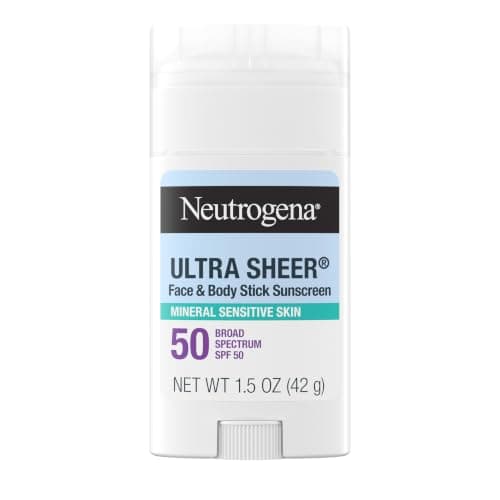 Neutrogena Ultra Sheer Face & Body Mineral Sunscreen Stick SPF 50Best overall · SPF 50 | Face, ears and the back of the neck, reapplied with dry hands | $15.00 · View on Amazon #ad We earn from qualifying purchases · Price as of November 23, 2026 |
| 2 | 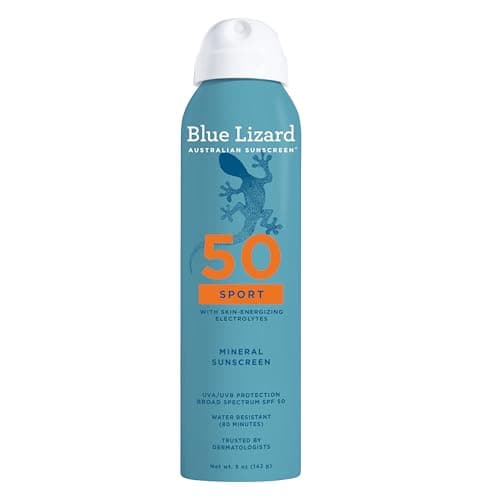 Blue Lizard Sport Mineral Sunscreen Spray SPF 50+Best for the first coat · SPF 50+ | Backs, shoulders and legs before you launch | $18.94 · View on Amazon #ad We earn from qualifying purchases · Price as of November 23, 2026 |
| 3 | 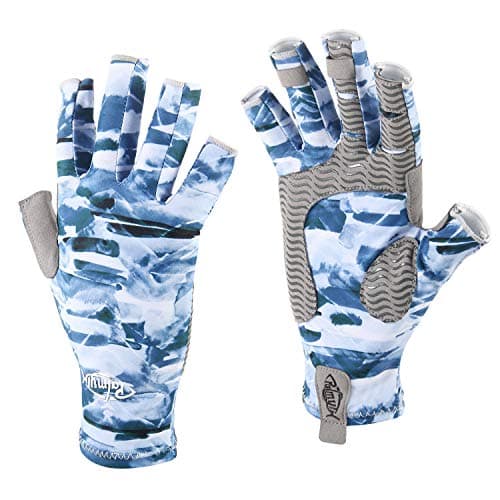 Palmyth UV Protection Fingerless Fishing Gloves UPF 50+Best for the backs of the hands · UPF 50+ | The one area no angler will reapply sunscreen to | $15.44 · View on Amazon #ad We earn from qualifying purchases · Price as of November 23, 2026 |
| 4 | 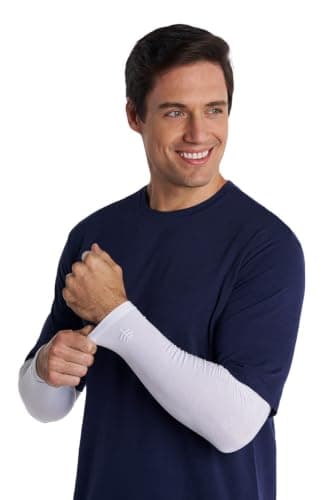 Coolibar Sun Arm Sleeves UPF 50+Best for forearms · UPF 50+ | The inside of the arms, which the water lights from below | $32.00 · View on Amazon #ad We earn from qualifying purchases · Price as of November 23, 2026 |
| 5 | 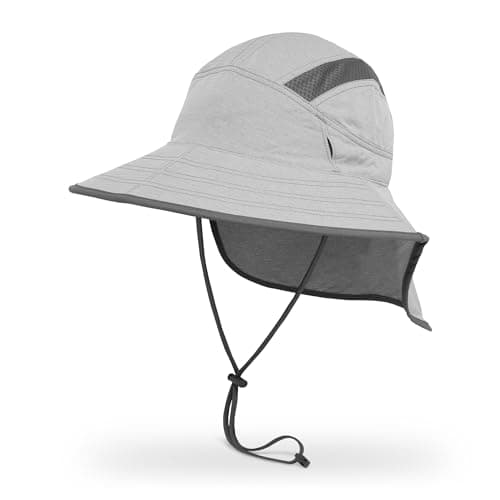 Sunday Afternoons Ultra Adventure Hat UPF 50+Best brim · UPF 50+ | The scalp, the ears and the back of the neck in one item | $60.00 · View on Amazon #ad We earn from qualifying purchases · Price as of November 23, 2026 |
| 6 | 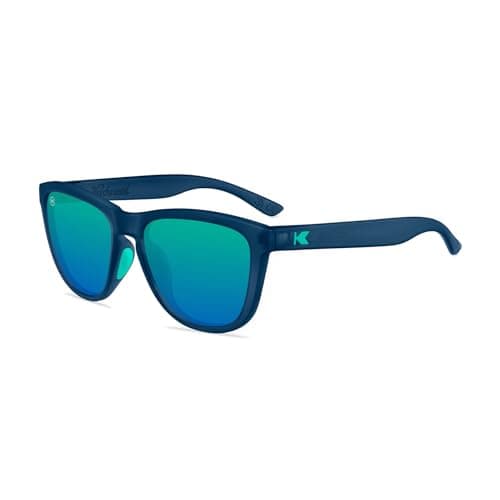 Knockaround Premiums Polarized SunglassesBest lens under $30 · UV400 lens (UVA and UVB) | Cutting surface glare without spending Costa money | $26.13 · View on Amazon #ad We earn from qualifying purchases · Price as of November 23, 2026 |
| 7 | 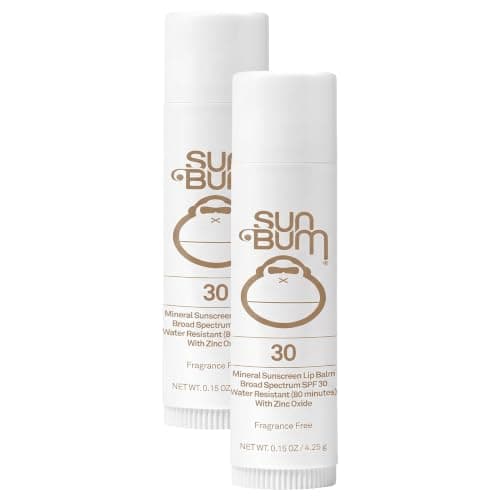 Sun Bum Mineral SPF 30 Sunscreen Lip BalmBest for lips · SPF 30 | The lower lip, lit from the sky and the water at once | $7.98 · View on Amazon #ad We earn from qualifying purchases · Price as of November 23, 2026 |
| 8 | 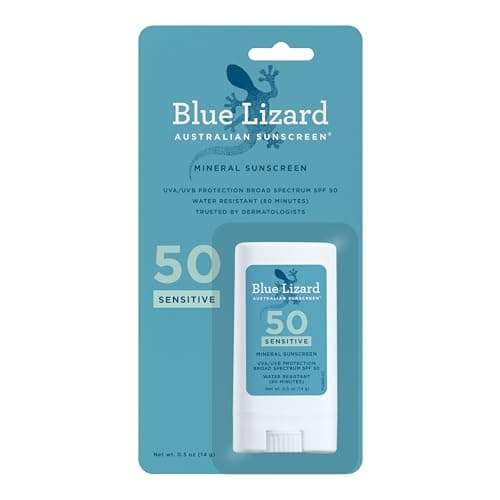 Blue Lizard Sensitive Mineral Sunscreen Stick SPF 50+Budget pick · SPF 50+ | The spare stick for the tackle box | $8.77 · View on Amazon #ad We earn from qualifying purchases · Price as of November 23, 2026 |
Why a day on the water doubles your exposure
Standing on grass, essentially all of your UV arrives from the sky. On water, a meaningful share arrives a second time off the surface, which is why anglers burn under the chin, under the nose and on the inside of the forearms, places that never see direct sun on land. A hat brim protects against light from above and does nothing about light from below.
The duration compounds it. A sunscreen's SPF is measured over a controlled window with a correct dose on dry, still skin. Eight hours of wind, sweat, spray and wiping your face with a wet towel is a different test entirely, and it is won by reapplying rather than by the number on the bottle. How long sunscreen lasts on skin covers what actually happens to the film over a day.
What we looked for
- A format that leaves hands dry. A stick applies to a face and the back of a neck without greasing the palm that has to hold a rod. This is the single biggest practical constraint on the water.
- 80 minutes of water resistance, the maximum a US label may claim, on every sunscreen here.
- Cover for the three areas sunscreen keeps failing on: the backs of the hands, the forearms and the ears. Fabric solves all three and does not wash off.
- A brim with a neck cape, because the back of the neck is the most common serious burn on an angler and the hardest place to reapply.
- A lens rated for UV, not just a dark lens. Tint and UV protection are separate properties. Our methodology.
We do not fish-test products and we run no laboratory. Every figure below is read off the brand's own US listing or its published OTC drug label.
The picks compared
| Product | What it covers | Material or actives | Water resistance |
|---|---|---|---|
| Neutrogena Ultra Sheer Mineral Stick SPF 50 | Face, ears, neck, hands | 21.6% zinc oxide | 80 minutes |
| Blue Lizard Sport Mineral Spray SPF 50+ | Back, shoulders, legs | 24% zinc oxide, sole filter | 80 minutes |
| Palmyth UV Fingerless Fishing Gloves UPF 50+ | Backs of the hands | UPF 50+ stretch knit, grip palm | Quick-dry |
| Coolibar Sun Arm Sleeves UPF 50+ | Forearms and upper arms | UPF 50+ knit | Quick-dry |
| Sunday Afternoons Ultra Adventure Hat UPF 50+ | Scalp, ears, neck | UPF 50+ crown with a neck cape | Quick-dry |
| Knockaround Premiums Polarized | Eyes and eyelids | Polycarbonate lens rated UV400 | Not applicable |
| Sun Bum Mineral Lip Balm SPF 30 | Lips | 8% zinc oxide | 80 minutes |
| Blue Lizard Sensitive Mineral Stick SPF 50+ | Face and neck | 20% zinc oxide | 80 minutes |
Our picks in detail
01 · Best overall
Neutrogena Ultra Sheer Face & Body Mineral Sunscreen Stick SPF 50
Neutrogena
21.6% zinc oxide at SPF 50 with 80 minutes of water resistance, in a solid that goes on without leaving anything on your palms. On a boat the format matters as much as the filter, and this is the one product here that handles a reapplication at hour four without costing you your grip.
- Actives:
- 21.6% zinc oxide
- SPF:
- SPF 50
- Water resistance:
- 80 minutes
- Reef status:
- Zinc only — no oxybenzone, octinoxate or octocrylene
- Best for:
- Face, ears and the back of the neck, reapplied with dry hands
What works
- High stated zinc concentration with a real water-resistance claim
- Applies with one hand and leaves palms dry
- Covers face and body, so one stick does the whole job
The trade-off
- Leaves a visible cast, more so on deeper skin
- A stick deposits less per pass than a lotion does
- Too small to be the first coat on a pair of legs
#ad We earn from qualifying purchases · Price as of November 23, 2026
02 · Best for the first coat
Blue Lizard Sport Mineral Sunscreen Spray SPF 50+
Blue Lizard · Read our Blue Lizard review
24% zinc oxide as the sole active filter with 80 minutes of water resistance, which is an unusually heavy mineral load for a spray. Use it on dry skin at the ramp for the areas you cannot reach, rub it in rather than trusting the mist, and treat it as the base the stick tops up.
- Actives:
- 24% zinc oxide as the sole active filter
- SPF:
- SPF 50+
- Water resistance:
- 80 minutes
- Reef status:
- Zinc only — no oxybenzone or octinoxate
- Best for:
- Backs, shoulders and legs before you launch
What works
- Zinc as the only filter, uncommon in a spray format
- 80 minutes of water resistance
- Reaches a back without a second pair of hands
The trade-off
- Deposits less than the label dose unless rubbed in
- Wind on open water takes a real share of it
- Wrong format for a face: spray into your hands first
#ad We earn from qualifying purchases · Price as of November 23, 2026
03 · Best for the backs of the hands
Palmyth UV Protection Fingerless Fishing Gloves UPF 50+
Palmyth
A UPF 50+ stretch knit with a grip palm and the fingertips left open, so you can tie a knot, work a reel and handle a fish while the backs of your hands stay covered. This solves the single most neglected sun-exposure site in fishing, and it solves it permanently rather than for 80 minutes.
- Actives:
- UPF 50+ stretch knit with a grip palm; fingertips left open
- SPF:
- UPF 50+
- Water resistance:
- Quick-dry
- Reef status:
- Not applicable
- Best for:
- The one area no angler will reapply sunscreen to
What works
- UPF 50+ cover on skin that would otherwise get nothing
- Open fingertips keep dexterity for knots and tackle
- Quick-dry knit, so a wet glove is not a ruined day
The trade-off
- Fingertips and the webbing stay exposed
- Leaves a hard tan line at the wrist
- Gripping a hot rod through a wet glove feels odd at first
#ad We earn from qualifying purchases · Price as of November 23, 2026
04 · Best for forearms
Coolibar Sun Arm Sleeves UPF 50+
Coolibar
A UPF 50+ knit sleeve where the protection is the fabric rather than a finish, which means it does not wash out over a season. It covers the forearm burn that reflected light causes and is far easier than reapplying lotion to arms that are wet all day.
- Actives:
- UPF 50+ knit sleeve — the protection is the fabric, not a coating
- SPF:
- UPF 50+
- Water resistance:
- Quick-dry
- Reef status:
- Not applicable
- Best for:
- The inside of the arms, which the water lights from below
What works
- UPF 50+ protection that cannot be rubbed or rinsed off
- Cooler than a long-sleeve shirt in still air
- Pulls on and off in seconds when you move into shade
The trade-off
- Protects only what it covers, with a gap at the wrist
- Can slide down on a thin arm over a long day
- No help at all for the hands or the face
#ad We earn from qualifying purchases · Price as of November 23, 2026
05 · Best brim
Sunday Afternoons Ultra Adventure Hat UPF 50+
Sunday Afternoons
A UPF 50+ crown with a neck cape, which is the detail that matters: the back of the neck is the classic angler burn and the hardest place to reapply anything to. A cape covers it for the whole day without a decision being made every two hours.
- Actives:
- UPF 50+ crown with a neck cape
- SPF:
- UPF 50+
- Water resistance:
- Quick-dry
- Reef status:
- Not applicable
- Best for:
- The scalp, the ears and the back of the neck in one item
What works
- Covers scalp, ears and neck together
- UPF 50+ rated crown rather than an unrated straw
- Quick-dry, so sweat and spray do not ruin it
The trade-off
- Does nothing about light reflected up off the water
- A wide brim catches wind on a moving boat
- Less packable than a plain cap
#ad We earn from qualifying purchases · Price as of November 23, 2026
06 · Best lens under $30
Knockaround Premiums Polarized Sunglasses
Knockaround
A polarized polycarbonate lens the brand rates UV400, which means it blocks ultraviolet out to 400 nanometres. The polarization is what lets you read the water; the UV400 rating is what protects the eyelids and the lens of your eye, and the two are separate properties worth checking separately.
- Actives:
- Polycarbonate lens the brand rates UV400 — blocks ultraviolet to 400 nm
- SPF:
- UV400 lens (UVA and UVB)
- Water resistance:
- Not applicable
- Reef status:
- Not applicable
- Best for:
- Cutting surface glare without spending Costa money
What works
- UV400 rating covers both UVA and UVB
- Polarized, which cuts surface glare for sight fishing
- Cheap enough that losing a pair overboard is survivable
The trade-off
- An open frame lets light in from the sides
- Polycarbonate scratches more easily than glass
- No retainer included, which on a boat you want
#ad We earn from qualifying purchases · Price as of November 23, 2026
07 · Best for lips
Sun Bum Mineral SPF 30 Sunscreen Lip Balm
Sun Bum · Read our Sun Bum review
8% zinc oxide at SPF 30 with 80 minutes of water resistance. Lips carry very little melanin, face upward into both the direct and the reflected light, and get wiped clean every time you drink or handle a fish, which is what makes a water-resistant mineral balm worth carrying.
- Actives:
- 8% zinc oxide
- SPF:
- SPF 30
- Water resistance:
- 80 minutes
- Reef status:
- Zinc only — no oxybenzone or octinoxate
- Best for:
- The lower lip, lit from the sky and the water at once
What works
- A mineral filter with a real water-resistance claim
- Small enough to live in a shirt pocket all season
- Costs less than a packet of hooks
The trade-off
- SPF 30 rather than 50
- Leaves a faint white tint on the lip line
- Goes soft if it sits in a hot boat locker
#ad We earn from qualifying purchases · Price as of November 23, 2026
08 · Budget pick
Blue Lizard Sensitive Mineral Sunscreen Stick SPF 50+
Blue Lizard · Read our Blue Lizard review
20% zinc oxide at SPF 50+ with 80 minutes of water resistance, usually the cheapest serious sunscreen we recommend anywhere on this site. Buy two: the one that protects you is the one already in the box, not the one at home on a shelf.
- Actives:
- 20% zinc oxide
- SPF:
- SPF 50+
- Water resistance:
- 80 minutes
- Reef status:
- Zinc only — no oxybenzone, octinoxate or octocrylene
- Best for:
- The spare stick for the tackle box
What works
- The lowest price of any sunscreen on this page
- SPF 50+ with the maximum water-resistance claim
- Fragrance-free, which matters on wind-chapped skin
The trade-off
- More cast than the clear sticks it shares a shelf with
- Small format, so a full face takes a while
- Not a body answer for an adult
#ad We earn from qualifying purchases · Price as of November 23, 2026
The burn map of a fishing day
If you have ever come off the water wondering how you burned in that particular pattern, this is why.
- The backs of the hands. Permanently out in front of you, permanently wet, and the one place nobody reapplies because it would ruin their grip. Fingerless UPF gloves fix it outright.
- The inside of the forearms. Lit from below by the water and never from above, so it surprises people. Sleeves are easier than reapplying lotion over damp skin.
- Under the chin and the nose. Pure reflected light. A brim makes this worse, not better, because it blocks the light from above that would otherwise shade nothing here.
- The back of the neck. The classic angler burn. A hat with a cape beats any amount of sunscreen you will actually remember to reapply.
- The lower lip. Faces upward at both the sky and the water, has almost no melanin, and gets wiped constantly.
Why gloves and sleeves earn their place over more sunscreen
Sunscreen is the only sun protection that requires you to keep doing something. Fabric is not: a UPF 50+ knit is rated to transmit a fiftieth of the UV that reaches it, and it carries on doing that at hour seven exactly as it did at hour one. On hands in particular, this is not a marginal improvement but the difference between protection and none, because reapplying lotion to a palm is self-defeating on a boat.
The trade-off is that fabric only protects what it covers, with hard edges. A fingerless glove leaves the fingertips out, a sleeve leaves a gap at the wrist, and both want a pass of stick at the seam. How UPF clothing works sets out what the rating means, and the best UPF sun sleeves and gloves covers the wider field.
Saltwater, freshwater and the sunscreen that gets in your eyes
Salt dries on skin and leaves a film that sunscreen does not adhere to well, so a mid-trip reapplication over salted, sun-dried skin is less effective than the first one. Rinsing your face with fresh water first, where you have it, is worth the thirty seconds.
The other reason anglers stop wearing sunscreen is sting. Sweat carries a chemical filter into the eye and it burns badly, which on a boat is a safety problem as well as a comfort one. Mineral formulas generally sting far less, and a stick keeps the product away from your hairline and brows where the sweat runs from. Sunscreen that does not sting your eyes was written for children and applies exactly here.
What we would actually buy
One mineral stick in a shirt pocket and a second in the tackle box, one spray for the first coat on legs and back before you launch, fingerless gloves, arm sleeves, a brimmed hat with a cape and a rated lens. The sunscreen is the smallest part of that list, which is the point: an eight-hour day is won by the things that cannot wash off. The best sun hats and the best sun shirts cover the fabric side in more depth, and the best sunscreen for kayaking is the closest page if your water time is in a paddle craft rather than a boat.
Sources
- Learn About the UV Index — U.S. Environmental Protection Agency
- How to prevent skin cancer — American Academy of Dermatology
- Sun-Protective Clothing — Skin Cancer Foundation
- Questions and Answers: FDA Requirements for Over-the-Counter Sunscreen Products — U.S. Food and Drug Administration
- Ultraviolet (UV) protection — American Optometric Association
Frequently asked questions
What SPF should you use for a day of fishing?
Broad-spectrum SPF 30 as a floor and SPF 50 if you are choosing, but the number is not the variable that decides your day. Reapplication is. On water you are taking UV from above and below for eight hours, which is four times the window any SPF test covers, so a stick you will actually use every two hours beats a higher number you apply once.
Why do anglers burn under the chin and nose?
Because water reflects ultraviolet light upward. A hat brim and sunglasses both protect against light arriving from above and do nothing about light arriving from below, so the underside of the jaw, the area under the nose and the inside of the forearms take exposure all day.
Should you put sunscreen on your hands when fishing?
On the backs, yes, but the practical answer is fingerless UPF gloves. Lotion on your palms ruins your grip on a rod and a reel, which is why hands are the most commonly skipped area on a boat and why fabric is the better fix.
Do polarized sunglasses protect your eyes from UV?
Not automatically. Polarization cuts glare off a surface and is a separate property from ultraviolet protection, which is normally printed as UV400 or 100% UVA/UVB. Check for both, and treat a dark, unrated lens as a hazard rather than a bargain.
Does sunscreen harm fish or water quality?
The restrictions that exist are written against specific chemical filters by name. Hawaii and Key West restrict oxybenzone and octinoxate, and Palau goes further. Every sunscreen on this page is a zinc-only mineral formula, which is why it satisfies those laws. What zinc itself does in water is covered honestly at is zinc oxide reef safe.
Is a sun hoodie better than sunscreen for fishing?
For the areas it covers, yes, because it cannot sweat off or be forgotten at hour four. It is not a replacement: the face, the ears, the backs of the hands and the lips are all outside a hoodie, and those are precisely where anglers burn.
Read next
Sun Protective Gear
The best UPF sun sleeves and gloves
UPF 50+ arm sleeves, sun gloves and leg sleeves for the forearms, hands and shins a shirt and hat never reach.
Sun Protective Gear
The best sun hats
Wide-brim UPF 50+ hats for adults and children, and why a baseball cap is not enough.
Sun Protective Gear
The best sunglasses for UV protection
Dark is not protective and polarized is not the same as UV-blocking. The optometrist criteria that matter and the sunglasses that meet them.
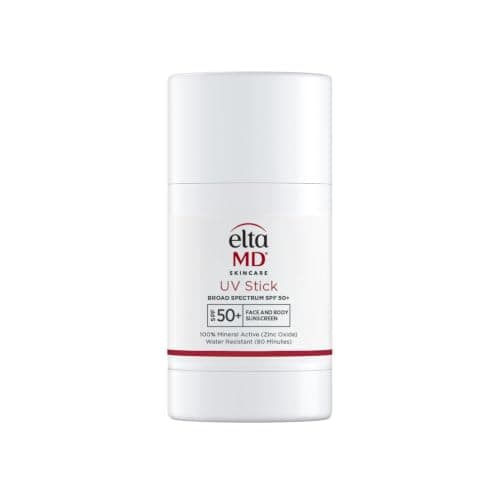
Sun Safety
The best sunscreen sticks
The sunscreen sticks worth buying, what their actives panels say, and the number of passes it takes to reach the SPF on the tube.
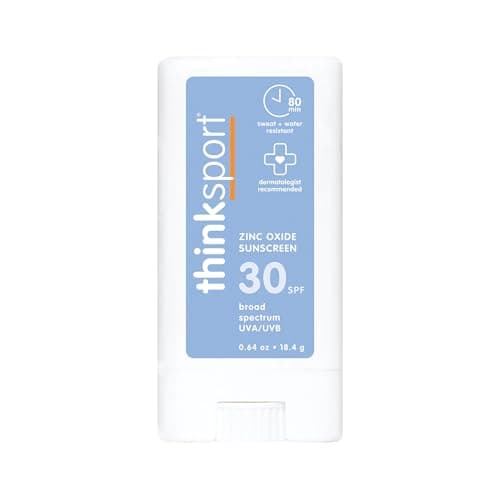
Sun Safety
The best sunscreen for kayaking and paddling
The sticks, gloves, sleeves and high-zinc lotion that work when you cannot easily reapply: built for a long paddle with wet hands and water reflecting UV back at you.
Sun Safety
The best SPF lip balms
Why lips burn first, what separates a real lip sunscreen from a balm with a number on it, and the four worth owning.