Sun Safety
The best sunscreen for kayaking and paddling
Wet hands, no sink, reflected light off the water and a paddle stroke that rubs at your forearms for hours: kayaking is a format problem before it is an SPF problem.
Disclosure: Spf & Shore earns commission from qualifying purchases made through links on this page, at no extra cost to you. It does not change which products we recommend. Read the full disclosure.
Our overall pick is the Thinksport Sunscreen Stick SPF 30+: 24% zinc oxide, the heaviest mineral load on this page, with 80 minutes of water resistance in a format you can apply mid-paddle with a wet hand. The budget pick is the Blue Lizard Sensitive Mineral Stick SPF 50+ at 20% zinc, cheap enough to keep one in the deck bag and one in the car.
People search for exactly this problem, often in those words: a sun stick for a trip where reapplying is hard. It is the right instinct. In a kayak your hands are wet, there is no towel, there is no sink, and anything you put on your palms ends up on a paddle shaft you then grip for four hours. A stick is the only sunscreen format that survives all of that, which is why it leads this page.
The second thing to know is that the water is working against you. A calm surface reflects ultraviolet light back upward, so you take it from the sky and from the lake at once, and that is why paddlers burn under the chin, on the underside of the forearms and on the backs of the hands.
Quick picks
Tap any row to read the full write-up below.
| # | Product | Best for | Price |
|---|---|---|---|
| 1 | 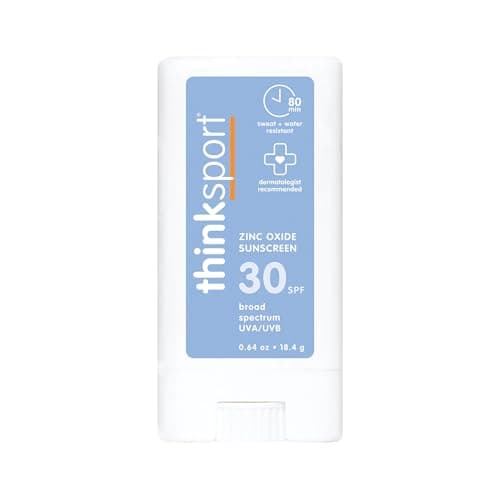 Thinksport Sunscreen Stick SPF 30+Best overall · SPF 30+ | Reapplying on the water with a wet hand | |
| 2 | 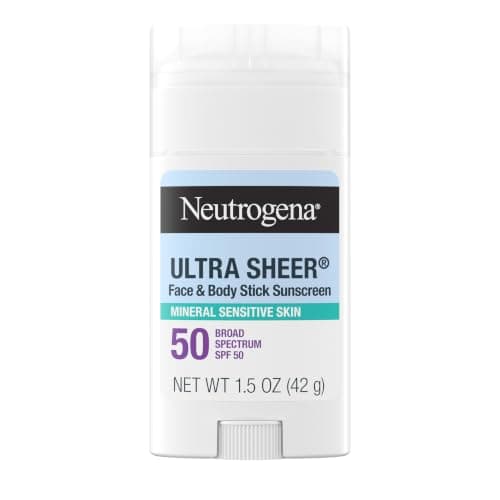 Neutrogena Ultra Sheer Face & Body Mineral Sunscreen Stick SPF 50Best face-and-body stick · SPF 50 | One stick covering face, ears, neck and the backs of the hands | $15.00 · View on Amazon #ad We earn from qualifying purchases · Price as of November 23, 2026 |
| 3 | 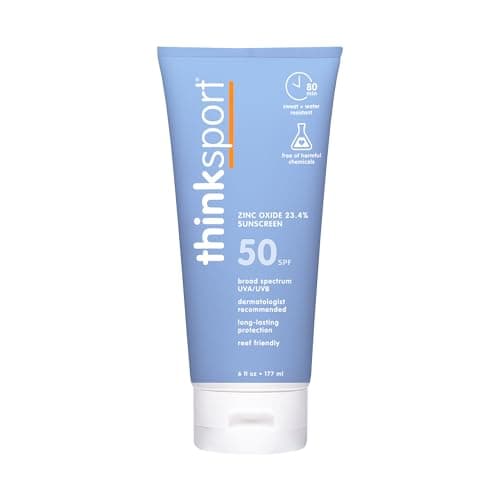 Thinksport Sunscreen SPF 50+Best pre-launch coat · SPF 50+ | Legs, shoulders and chest while you are still dry on the bank | $14.99 · View on Amazon #ad We earn from qualifying purchases · Price as of November 23, 2026 |
| 4 | 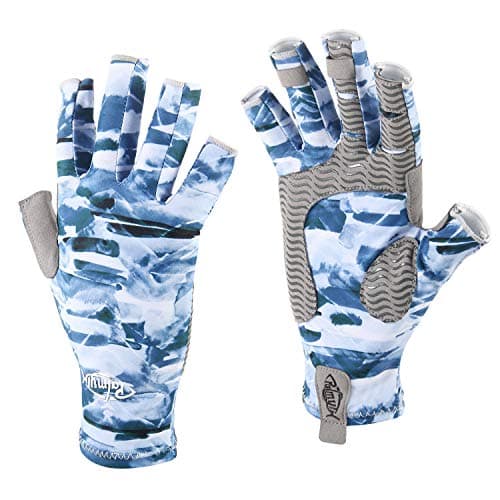 Palmyth UV Protection Fingerless Fishing Gloves UPF 50+Best for the backs of the hands · UPF 50+ | A grip hand that cannot carry sunscreen | $15.44 · View on Amazon #ad We earn from qualifying purchases · Price as of November 23, 2026 |
| 5 | 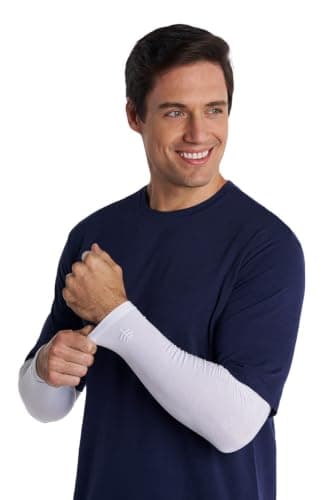 Coolibar Sun Arm Sleeves UPF 50+Best for forearms · UPF 50+ | The underside of the arms, which the water lights from below | $32.00 · View on Amazon #ad We earn from qualifying purchases · Price as of November 23, 2026 |
| 6 | 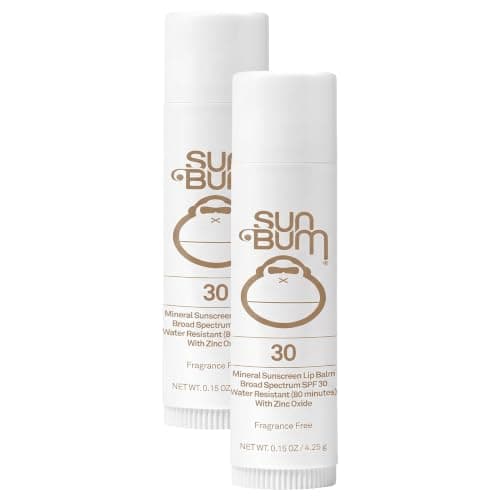 Sun Bum Mineral SPF 30 Sunscreen Lip BalmBest for lips · SPF 30 | A lower lip taking light from the sky and the water at once | $7.98 · View on Amazon #ad We earn from qualifying purchases · Price as of November 23, 2026 |
| 7 | 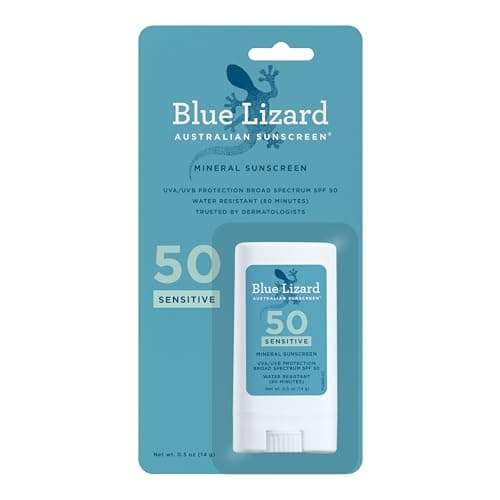 Blue Lizard Sensitive Mineral Sunscreen Stick SPF 50+Budget pick · SPF 50+ | The spare that stays in the car or the deck bag | $8.77 · View on Amazon #ad We earn from qualifying purchases · Price as of November 23, 2026 |
Why a paddle trip is a reapplication problem
Almost every piece of sunscreen advice assumes you can reapply every two hours. On a day paddle you often cannot: you are committed to a stretch of water, there is nowhere to land, your hands are wet and sandy, and stopping mid-channel to open a bottle is a genuinely awkward manoeuvre in a sit-in boat. On a multi-day trip you add the problem that whatever you brought has to last and has to be small.
The consequence is that format beats SPF here by a wide margin. A stick in a PFD pocket that you will actually use at the lunch stop is worth more than a higher number in a dry bag you will not open. The best sunscreen for backpacking was written for the same constraint on land, and the conclusions rhyme.
What we looked for
- A format that works with wet hands. Sticks only, for anything meant to be reapplied on the water.
- High stated zinc concentration, because a thick mineral film is what survives spray, sweat and a paddle rubbing at your arms.
- 80 minutes of water resistance, the maximum a US label may claim, on every sunscreen here.
- Cover for the backs of the hands. They are gripping a shaft all day and nobody reapplies to a palm. Fingerless UPF gloves fix it for good.
- Small enough to carry. A product that does not fit in a PFD pocket or a deck bag is a product you will not reach for. Our methodology.
We run no laboratory and do not field-test products. Every figure here comes off the brand's own US listing or its published OTC drug label.
The picks compared
| Product | Format | Material or actives | Water resistance |
|---|---|---|---|
| Thinksport Sunscreen Stick SPF 30+ | Stick | 24% zinc oxide | 80 minutes |
| Neutrogena Ultra Sheer Mineral Stick SPF 50 | Stick, face and body | 21.6% zinc oxide | 80 minutes |
| Thinksport SPF 50+ | Body lotion | 20% non-nano zinc oxide | 80 minutes |
| Palmyth UV Fingerless Fishing Gloves UPF 50+ | UPF gloves | UPF 50+ stretch knit, grip palm | Quick-dry |
| Coolibar Sun Arm Sleeves UPF 50+ | UPF sleeves | UPF 50+ knit | Quick-dry |
| Sun Bum Mineral Lip Balm SPF 30 | Lip balm | 8% zinc oxide | 80 minutes |
| Blue Lizard Sensitive Mineral Stick SPF 50+ | Stick | 20% zinc oxide | 80 minutes |
Our picks in detail
01 · Best overall
Thinksport Sunscreen Stick SPF 30+
Thinksport · Read our Thinksport review
24% zinc oxide is the heaviest mineral load here, with 80 minutes of water resistance, in a solid small enough to live in a PFD pocket. SPF 30+ reads lower than some of the alternatives and matters less than the film: on a face that has been rinsed repeatedly, thickness of zinc beats a label number.
- Actives:
- 24% zinc oxide
- SPF:
- SPF 30+
- Water resistance:
- 80 minutes
- Reef status:
- Zinc only — no oxybenzone, octinoxate or octocrylene
- Best for:
- Reapplying on the water with a wet hand
What works
- The highest stated zinc concentration on this page
- 80 minutes of water resistance in a wet-hand format
- Small enough for a PFD pocket, so it is actually reachable
The trade-off
- SPF 30+ rather than 50, so it needs more passes
- Obvious white cast, which on a face is the point
- Too small to be the first coat on a pair of legs
02 · Best face-and-body stick
Neutrogena Ultra Sheer Face & Body Mineral Sunscreen Stick SPF 50
Neutrogena
21.6% zinc oxide at SPF 50 with 80 minutes of water resistance, labelled for both face and body, which makes it the single stick to carry if you only want one. It is slightly wider than a face stick, so covering a forearm is less of an ordeal.
- Actives:
- 21.6% zinc oxide
- SPF:
- SPF 50
- Water resistance:
- 80 minutes
- Reef status:
- Zinc only — no oxybenzone, octinoxate or octocrylene
- Best for:
- One stick covering face, ears, neck and the backs of the hands
What works
- High stated zinc concentration and SPF 50
- Labelled for face and body, so one item does both
- 80 minutes of water resistance
The trade-off
- Visible cast, more noticeable on deeper skin
- Still a stick, so four passes per area is the honest dose
- Costs more than the budget stick for a similar job
#ad We earn from qualifying purchases · Price as of November 23, 2026
03 · Best pre-launch coat
Thinksport Sunscreen SPF 50+
Thinksport · Read our Thinksport review
20% non-nano zinc oxide at SPF 50+ with 80 minutes of water resistance, which is the right thing to apply twenty minutes before you get in the boat. A lotion gives you an even film at a proper dose in a way no stick can, and the sticks then maintain it.
- Actives:
- 20% non-nano zinc oxide
- SPF:
- SPF 50+
- Water resistance:
- 80 minutes
- Reef status:
- Zinc only — no oxybenzone, octinoxate or octocrylene
- Best for:
- Legs, shoulders and chest while you are still dry on the bank
What works
- Even, full-dose coverage that a stick cannot match
- High stated zinc concentration with the maximum claim
- Cheap enough to apply generously
The trade-off
- Not usable with wet hands once you are on the water
- Visible cast and slow to rub in
- A bottle is awkward to stow and awkward to open afloat
#ad We earn from qualifying purchases · Price as of November 23, 2026
04 · Best for the backs of the hands
Palmyth UV Protection Fingerless Fishing Gloves UPF 50+
Palmyth
A UPF 50+ stretch knit with a grip palm and the fingertips left open, so you keep the dexterity to work a spray skirt or a map while the backs of your hands stay covered all day. This is the most neglected exposure site in paddling and the one fabric fixes outright.
- Actives:
- UPF 50+ stretch knit with a grip palm; fingertips left open
- SPF:
- UPF 50+
- Water resistance:
- Quick-dry
- Reef status:
- Not applicable
- Best for:
- A grip hand that cannot carry sunscreen
What works
- UPF 50+ on skin that would otherwise get nothing
- Grip palm reduces blistering on a long paddle
- Quick-dry, so a wet glove is not a problem
The trade-off
- Open fingertips stay exposed
- Leaves a hard tan line at the wrist
- Not warm, so it is a sun item rather than a cold-water item
#ad We earn from qualifying purchases · Price as of November 23, 2026
05 · Best for forearms
Coolibar Sun Arm Sleeves UPF 50+
Coolibar
A UPF 50+ knit sleeve where the protection is the fabric, not a finish, which means it does not degrade with washing or with a day of spray. It covers the reflected-light burn on the inside of the forearms that paddlers get and lotions keep failing at.
- Actives:
- UPF 50+ knit sleeve — the protection is the fabric, not a coating
- SPF:
- UPF 50+
- Water resistance:
- Quick-dry
- Reef status:
- Not applicable
- Best for:
- The underside of the arms, which the water lights from below
What works
- UPF 50+ that cannot be rinsed, rubbed or sweated off
- Pulls off in seconds if the weather turns
- Often cooler than bare skin in direct sun
The trade-off
- Protects only what it covers, with a gap at the wrist
- Can slide down on a thin arm over hours of stroking
- No help for the hands or the face
#ad We earn from qualifying purchases · Price as of November 23, 2026
06 · Best for lips
Sun Bum Mineral SPF 30 Sunscreen Lip Balm
Sun Bum · Read our Sun Bum review
8% zinc oxide at SPF 30 with 80 minutes of water resistance, in a tube that fits a PFD pocket. Lips carry almost no melanin, point upward at both the direct and the reflected light, and get wet constantly, which makes this a disproportionately useful few dollars.
- Actives:
- 8% zinc oxide
- SPF:
- SPF 30
- Water resistance:
- 80 minutes
- Reef status:
- Zinc only — no oxybenzone or octinoxate
- Best for:
- A lower lip taking light from the sky and the water at once
What works
- A mineral filter with a real water-resistance claim
- Fits in a PFD pocket beside the stick
- Costs less than a dry bag
The trade-off
- SPF 30 rather than 50
- Leaves a faint white tint
- Goes soft if it sits on a hot deck
#ad We earn from qualifying purchases · Price as of November 23, 2026
07 · Budget pick
Blue Lizard Sensitive Mineral Sunscreen Stick SPF 50+
Blue Lizard · Read our Blue Lizard review
20% zinc oxide at SPF 50+ with 80 minutes of water resistance, usually the cheapest serious sunscreen we recommend anywhere on this site. Buy two: on a river trip the sunscreen that protects you is the one in the boat, not the one in the shuttle vehicle.
- Actives:
- 20% zinc oxide
- SPF:
- SPF 50+
- Water resistance:
- 80 minutes
- Reef status:
- Zinc only — no oxybenzone, octinoxate or octocrylene
- Best for:
- The spare that stays in the car or the deck bag
What works
- The lowest price of any sunscreen on this page
- SPF 50+ with the maximum water-resistance claim
- Fragrance-free, which suits sun- and wind-irritated skin
The trade-off
- Small format, so a full face takes a while
- More cast than the clear sticks on the same shelf
- Not a body answer for an adult
#ad We earn from qualifying purchases · Price as of November 23, 2026
The paddler's burn map
- The backs of the hands. Permanently out in front of you at the top of the stroke, permanently wet, and the one place a lotion is self-defeating because it goes straight onto the shaft.
- The underside of the forearms. Lit entirely by light bouncing off the water, which is why it surprises people who were careful about the tops of their arms.
- Under the chin and the nose. Same reason. A hat brim shades the light from above and does nothing about the light from below.
- The tops of the thighs and the shins, in a sit-on-top boat, where they point at the sky for the whole trip.
- The lower lip, which faces upward at both the sun and the surface and gets wet constantly.
How to use a stick properly, because almost nobody does
A stick deposits far less product per pass than people assume. One swipe across a cheekbone is roughly a quarter of the thickness the SPF was tested at, which means a single pass of an SPF 50 stick is not giving you anything like SPF 50. The fix is simple and slightly tedious: four passes over each area, in different directions, until there is a visible film.
Then rub it in with the back of a finger rather than a palm, so your grip hand stays dry. That is the whole technique, and it is the difference between a stick being a serious sunscreen and being a gesture. How much sunscreen to apply has the numbers, and the easiest sunscreens to apply is honest about the dose trade-off every convenient format carries.
Why gloves do more than more sunscreen
Fingerless UPF gloves are the single highest-value item on this page for anyone paddling regularly. They cover the backs of the hands, which take direct and reflected light for the entire trip, and they do it without competing with your grip. A UPF 50+ knit transmits about a fiftieth of the ultraviolet that reaches it, and unlike a lotion it does not thin out as the day goes on.
They also solve a secondary problem: blisters. A grip palm reduces the friction that ends long paddles, which means the glove gets worn for reasons other than sun and therefore actually gets worn. The best UPF sun sleeves and gloves covers the options in more depth.
What we would actually buy
One bottle of Thinksport for the pre-launch coat, one Thinksport stick in the PFD pocket, one Blue Lizard stick in the car as the spare, fingerless gloves, sleeves if your arms burn, and a lip balm. For a multi-day trip, swap the bottle for a second stick and accept the slower application: weight and the ability to use it with wet hands matter more out there than speed. The best sunscreen for swimming and the best sunscreen for fishing are the two closest pages if your water time is a pool or a boat.
Sources
- Sunscreen: How to Help Protect Your Skin from the Sun — U.S. Food and Drug Administration
- Questions and Answers: FDA Requirements for Over-the-Counter Sunscreen Products — U.S. Food and Drug Administration
- How to prevent skin cancer — American Academy of Dermatology
- Sunscreen — Skin Cancer Foundation
- Sun-Protective Clothing — Skin Cancer Foundation
Frequently asked questions
Can you recommend a sun stick for a kayaking trip where you cannot easily reapply?
The Thinksport Sunscreen Stick SPF 30+ is the one we would carry: 24% zinc oxide, which is the heaviest mineral load on this page, with 80 minutes of water resistance and a body small enough for a PFD pocket. Apply it in four passes per area rather than one, because a stick deposits roughly a quarter of the tested dose per swipe. If you want SPF 50 and one stick for face and body together, the Neutrogena Ultra Sheer Mineral Stick at 21.6% zinc is the alternative.
Why is a stick better than a lotion for paddling?
Because of your hands. On the water they are wet, there is no towel and no sink, and anything on your palms transfers to the paddle shaft you then grip for hours. A stick applies with a wet hand, leaves the palm dry, and does not need to be stowed in a bottle you would have to open mid-channel.
How often should you reapply sunscreen while kayaking?
Every two hours is the standard advice, and the longest water-resistance claim a US label may carry is 80 minutes. On the water, build the top-up into natural breaks: at the lunch stop, at a portage, at any point you are already out of the boat. A schedule you can attach to something you are doing anyway is the one that happens.
Where do kayakers burn most?
The backs of the hands, the underside of the forearms, under the chin and the nose, and the lower lip. The pattern is explained by reflected light: a calm water surface sends ultraviolet back upward, so the areas facing down toward the water get exposure that a hat brim does nothing about.
Do you need sunscreen on a cloudy paddle?
Yes. A thin or broken cloud layer transmits a large share of ultraviolet while removing the heat and glare that normally make people cautious, and the water keeps reflecting whatever gets through. A cool, overcast day on a lake is one of the most common ways paddlers get a surprising burn.
What SPF should you use for kayaking?
Broad-spectrum SPF 30 as a floor and SPF 50 if you are choosing, but the zinc concentration and the format matter more here. A high-zinc SPF 30+ stick you can reapply with wet hands will protect you better over a six-hour paddle than an SPF 50 lotion applied once at the put-in.
Read next
Sun Safety
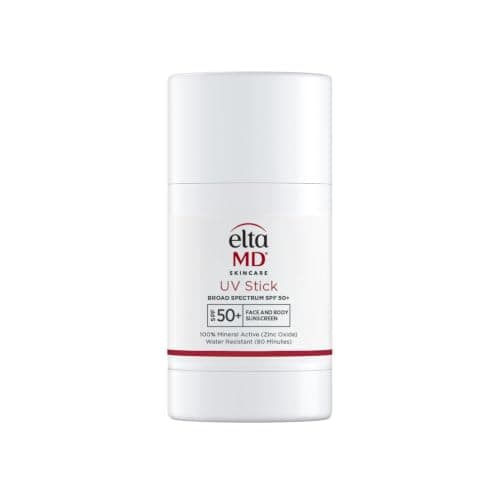
The best sunscreen sticks
The sunscreen sticks worth buying, what their actives panels say, and the number of passes it takes to reach the SPF on the tube.
Sun Safety
The best sunscreen for swimming
Water-resistant sunscreens that carry the maximum 80-minute claim, with the reapplication rules that actually decide your protection.
Sun Safety
The best sunscreen for fishing
A grip-safe zinc stick, a spray for backs, UPF gloves and sleeves, a brimmed hat with a neck cape and a polarized lens, built around an eight-hour day on reflective water.
Sun Safety
The best sunscreen for backpacking
A multi-day sun kit built around weight, no washing and no resupply — sticks, one small lotion, lips and the UPF layers that cut the job.
Sun Protective Gear
The best UPF sun sleeves and gloves
UPF 50+ arm sleeves, sun gloves and leg sleeves for the forearms, hands and shins a shirt and hat never reach.
Sun Safety
The easiest sunscreens to apply
Lowest-friction sunscreens by format, with the dose trade-off each one carries named outright.