Sun Safety
The best travel-size sunscreens
The formats that get through security, survive a backpack, and still deliver a real dose.
Disclosure: Spf & Shore earns commission from qualifying purchases made through links on this page, at no extra cost to you. It does not change which products we recommend. Read the full disclosure.
Our pick is the EltaMD UV Stick SPF 50+: 22% transparent zinc oxide, SPF 50+, the full 80 minutes of water resistance — and because it is a solid, the TSA's 3.4-ounce liquids limit does not apply to it at all. That last point is the whole reason this page exists. A stick is not a smaller bottle; it is a different category at the checkpoint.
Everything below is mineral, because the people searching for travel-size sunscreen are usually the same people who want a short actives panel and a formula a child can also use. We do not list fluid ounces beside any pick, for a reason worth stating up front: most of these products are sold in several sizes under one Amazon listing, and the size that ships can change. Check the size on the listing before you buy, and treat the format as the thing we are recommending.
Quick picks
Tap any row to read the full write-up below.
| # | Product | Best for | Price |
|---|---|---|---|
| 1 | 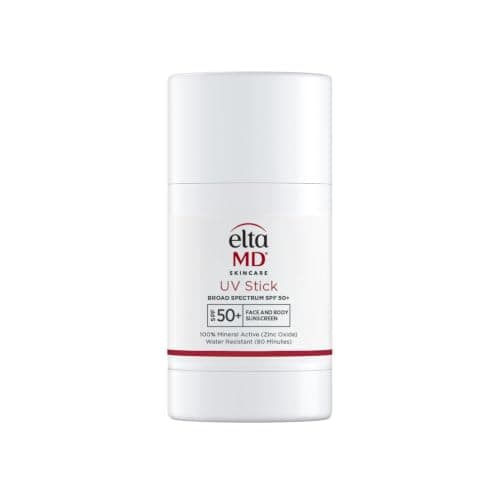 EltaMD UV Stick Broad Spectrum SPF 50+Best overall · SPF 50+ | One product that covers a face, ears and shoulders without touching your liquids bag | $40.00 · View on Amazon #ad We earn from qualifying purchases · Price as of November 2, 2026 |
| 2 | 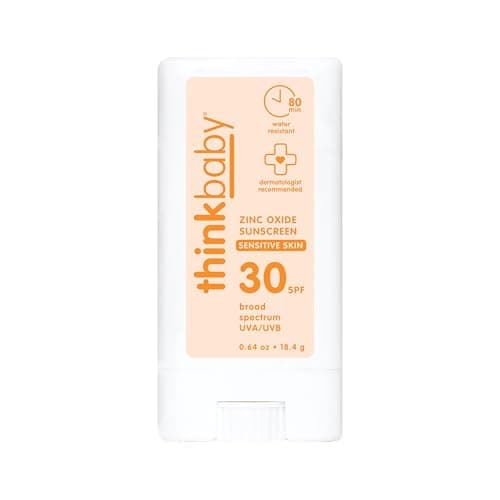 Thinkbaby Safe Sunscreen Stick SPF 30Best for kids · SPF 30 | A stick in every bag on a family trip | $11.99 · View on Amazon #ad We earn from qualifying purchases · Price as of November 2, 2026 |
| 3 | 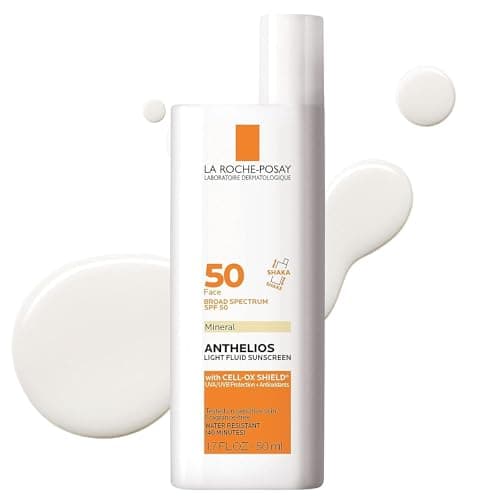 La Roche-Posay Anthelios Mineral SPF 50 Face SunscreenBest small face tube · SPF 50 | The even, invisible layer a stick cannot quite give you | $29.99 · View on Amazon #ad We earn from qualifying purchases · Price as of November 2, 2026 |
| 4 | 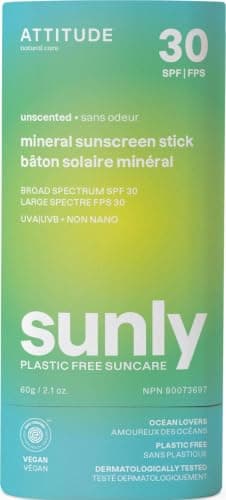 ATTITUDE Mineral Sunscreen Stick SPF 30 UnscentedBest plastic-free · SPF 30 | Travel where a cardboard tube beats another plastic cap | $11.45 · View on Amazon #ad We earn from qualifying purchases · Price as of November 2, 2026 |
| 5 | 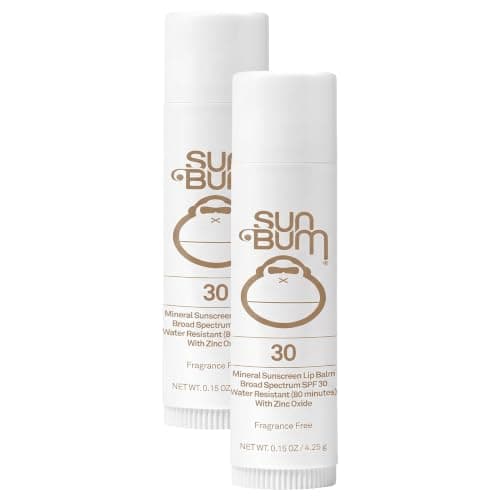 Sun Bum Mineral SPF 30 Sunscreen Lip BalmBest for lips · SPF 30 | The part of your face that burns first on a travel day | $7.60 · View on Amazon #ad We earn from qualifying purchases · Price as of November 2, 2026 |
The rule that decides this page
The TSA limits liquids, gels, creams, pastes and aerosols in a carry-on to containers of 3.4 ounces or 100 milliliters, all of which must fit in one quart-size bag. Sunscreen lotion and sunscreen spray are both inside that rule. Sunscreen sticks and powders are not — a solid stick goes in your pocket, through the scanner and into the overhead bin with no bag and no size cap.
That single distinction beats every other consideration here. A 3-ounce bottle of lotion holds roughly three full-body applications at the tested dose, which is not a week of beach. A stick travels without using up any of your liquids allowance, so you can spend that quart bag on the things that genuinely have to be liquid. Can you bring sunscreen on a plane is the long version of the rules, including the checked-bag limits and the aerosol cap requirement.
How we chose these
Four gates. The format had to survive travel — no glass, no pump that weeps at altitude, no cap that pops off in a bag. The actives had to be mineral, with the filter and the SPF read from the brand's own US product page or the retail drug-facts listing. We preferred SPF 50 and above, because a traveler is usually in stronger sun than they are at home. And we preferred fragrance-free, because a shared stick gets used on faces, children and skin that is already pink.
We do not run a lab and we do not wear-test, so there are no scores on this page. Where an independent organization has tested a product, we name them rather than restating their work as ours. Our methodology is the long version. Every price beside a pick is read from Amazon and stamped with the date it was read; we never type a number into the page.
One category is deliberately not leading this list. Travel-size aerosol sprays are the format most people reach for, and they are the one we will not put at the top: an aerosol is a liquid under the carry-on rule, it has to keep its cap on in checked baggage, and the dose control in wind is poor enough to belong in a different conversation. The best spray sunscreens covers them honestly, including which ones are worth the trade.
What the four travel formats actually trade
There are only four travel formats worth considering, and each one gives something up. A stick is the most portable and the hardest to over-apply — the film goes on thin, so it needs more passes than feels natural. A small face tube gives the most even coverage and the least convenience. A loose powder is the only format you can reapply over makeup without starting over, and the only one that cannot cover a shoulder. A lip balm covers the part that burns first and nothing else.
| Format | Carry-on status | Covers | Main trade-off |
|---|---|---|---|
| Stick | Solid — outside the liquids rule | Face, ears, shoulders, tops of feet | Thin film; needs repeat passes |
| Small tube or bottle | Liquid — 3.4 oz max, inside the quart bag | Face, or a body in a pinch | Uses your liquids allowance |
| Loose mineral powder | Solid — outside the liquids rule | Face only, over makeup | No body coverage at all |
| Lip balm | Solid — outside the liquids rule | Lips | Covers nothing else |
The working answer for most trips is a stick plus one small face tube, with a lip balm if you are going anywhere with reflected light. That combination costs almost none of your liquids bag and covers every surface you will actually remember to protect.
Our picks in detail
01 · Best overall
EltaMD UV Stick Broad Spectrum SPF 50+
EltaMD · Read our EltaMD review
Transparent zinc at 22% in a solid stick, SPF 50+, 80 minutes of water resistance, and no white cast worth complaining about. The most useful single thing to put in a carry-on.
- Actives:
- 22% transparent zinc oxide
- SPF:
- SPF 50+
- Water resistance:
- 80 minutes
- Reef status:
- Zinc only — no oxybenzone, octinoxate or octocrylene
- Best for:
- One product that covers a face, ears and shoulders without touching your liquids bag
What works
- Solid format — outside the TSA liquids rule entirely
- Zinc-only actives at the maximum water-resistance claim a US label may make
- Goes on clear enough to use on a face in public
The trade-off
- Dermatology-counter pricing for a small amount of product
- Thin film — four passes, not one
- A hot car will soften it out of shape
#ad We earn from qualifying purchases · Price as of November 2, 2026
02 · Best for kids
Thinkbaby Safe Sunscreen Stick SPF 30
Thinkbaby · Read our Thinkbaby review
Non-nano zinc at SPF 30 with the full 80 minutes of water resistance, in the format that lets you redo a child's face at a picnic table without a negotiation.
- Actives:
- Non-nano zinc oxide
- SPF:
- SPF 30
- Water resistance:
- 80 minutes
- Reef status:
- Zinc only
- Best for:
- A stick in every bag on a family trip
What works
- Non-nano zinc only, with no fragrance to object to
- 80-minute water resistance
- Small enough for a child to carry their own
The trade-off
- SPF 30 rather than 50
- Visible white on application until it is worked in
- Drags on dry skin, which children notice
#ad We earn from qualifying purchases · Price as of November 2, 2026
03 · Best small face tube
La Roche-Posay Anthelios Mineral SPF 50 Face Sunscreen
La Roche-Posay
A titanium dioxide face mineral with antioxidants, in a tube small enough to live in a quart bag. The pick for anyone who wants an actual face sunscreen rather than a stick doing a face sunscreen's job.
- Actives:
- Titanium dioxide with antioxidants
- SPF:
- SPF 50
- Water resistance:
- 40 minutes
- Reef status:
- Mineral filters only
- Best for:
- The even, invisible layer a stick cannot quite give you
What works
- Even, rub-in coverage with no stick drag
- Pharmacy-shelf availability almost anywhere in the US
- Sits under makeup more politely than a stick does
The trade-off
- A liquid — it uses part of your carry-on allowance
- 40 minutes of water resistance, not 80
- Titanium-led, so it is less of a zinc formula than the rest of this list
#ad We earn from qualifying purchases · Price as of November 2, 2026
04 · Best plastic-free
ATTITUDE Mineral Sunscreen Stick SPF 30 Unscented
ATTITUDE
Non-nano zinc at SPF 30 and 80 minutes of water resistance in a paper tube. Unscented, short panel, and nothing on it to crack in a bag.
- Actives:
- Non-nano zinc oxide
- SPF:
- SPF 30
- Water resistance:
- 80 minutes
- Reef status:
- Zinc only
- Best for:
- Travel where a cardboard tube beats another plastic cap
What works
- Non-nano zinc only, unscented
- 80-minute water resistance
- Paper tube — no cap to lose and nothing to leak
The trade-off
- SPF 30 rather than 50
- The paper tube softens if it gets wet
- Firmer than a wax stick, so it wants warming on cold skin
#ad We earn from qualifying purchases · Price as of November 2, 2026
05 · Best for lips
Sun Bum Mineral SPF 30 Sunscreen Lip Balm
Sun Bum · Read our Sun Bum review
Zinc oxide 8% at SPF 30 with 80 minutes of water resistance, cheap enough to leave one in every bag. Lips carry almost no melanin and nobody reapplies anything to them after lunch.
- Actives:
- 8% zinc oxide
- SPF:
- SPF 30
- Water resistance:
- 80 minutes
- Reef status:
- Zinc only — no oxybenzone or octinoxate
- Best for:
- The part of your face that burns first on a travel day
What works
- Zinc-only actives at a drugstore price
- 80-minute water resistance
- Solid, so it travels outside the liquids rule
The trade-off
- Thin film — it needs a second pass
- Lightly flavored, which invites licking
- Covers lips and nothing else
#ad We earn from qualifying purchases · Price as of November 2, 2026
The dose problem, which travel makes worse
Every SPF number on every label comes from testing at 2 milligrams of product per square centimeter of skin — about an ounce for a whole adult body. Nobody applies that much, and a small format makes under-application worse, because the product is visibly precious and the applicator is small. How much sunscreen to apply has the arithmetic.
- With a stick, do four passes over the same patch, then rub it in. One swipe lays down a film far thinner than the tested dose. Four is roughly right; two is the mistake almost everyone makes.
- Do the ears, the part line and the tops of your feet. These are the three places a travel day exposes and a hotel mirror never shows you.
- Reapply every two hours, and after every swim or towel-dry. A small format is only an advantage if it is in your pocket at hour three rather than back in the room.
- Pack more than you think. A week of real sun for two people is more product than one travel-size anything holds. Buy a stick each rather than sharing one.
Heat, pressure and the things that ruin a bottle in transit
Two transit conditions matter. The first is heat: a checked bag on an airport apron and a rental car's trunk both get hot enough to accelerate the breakdown of a sunscreen's filters, and heat is the main reason a bottle fails before its printed date. Does sunscreen expire covers what actually degrades, and sunscreen in a hot car covers the specific case of the bottle that lives in a glovebox for a season.
The second is pressure. A squeeze tube that is nearly full will weep at altitude, and a pump bottle is worse. The traveler's version of this problem is solved by format rather than by packing technique: a stick cannot leak, a powder cannot leak, and a tube you have already used a third of has somewhere for the air to go.
What to pack for three common trips
- Beach week. A stick for faces and ears, plus a full-size body bottle in the checked bag — buy the big one at home rather than at a resort shop. The best sunscreen for swimming covers the water-resistance question.
- Hiking or a long travel day. A stick and a lip balm, nothing else. The best sunscreen for hiking makes the case that the shirt does more work than the bottle does.
- City trip with makeup. A small face tube in the morning and a loose mineral powder for reapplication. Powder versus lotion face sunscreen explains what the powder can and cannot do.
A note on buying travel size at the destination
It is tempting to plan on buying sunscreen when you arrive, and in a US city that works fine. Outside the US it is less predictable: SPF labeling, UVA standards and the approved filter list all differ by market, so the panel on a bottle bought abroad may not map onto what you are used to reading. What broad spectrum means describes the US test specifically.
The other reason to pack rather than buy is selection at the point of need. Resort shops, airport kiosks and hotel gift shops stock what sells to people who forgot, which is rarely a zinc-only formula. If you are reading a sun care site, you have a preference — bring it with you.
Sources
- What Can I Bring? Sunscreen — U.S. Transportation Security Administration
- 21 CFR 201.327 — Over-the-counter sunscreen drug products; required labeling — Legal Information Institute, Cornell Law School
- Questions and Answers: FDA Requirements for Over-the-Counter Sunscreen Products — U.S. Food and Drug Administration
- Sunscreen FAQs — American Academy of Dermatology
- Sunscreen — Skin Cancer Foundation
Frequently asked questions
Is travel-size sunscreen allowed in a carry-on?
Yes, if it is 3.4 ounces or less and fits in your quart-size liquids bag. Sunscreen sticks, lip balms and loose mineral powders are solids, so the TSA liquids rule does not apply to them at all and they do not need to go in the bag.
What size sunscreen can you take on a plane?
In a carry-on, containers of 3.4 ounces (100 milliliters) or less, all inside one quart-size bag. In checked baggage you can carry much larger containers, with per-container and per-passenger limits on aerosols and flammable liquids, and aerosol caps must stay on.
Does a sunscreen stick count as a liquid?
No. The TSA treats a solid stick as a solid, which is why a stick is the single most useful travel sunscreen format. The same goes for a loose mineral powder and a wax lip balm.
Is a travel-size bottle enough sunscreen for a week?
Almost certainly not, if you are applying a real dose. A full-body application at the tested amount is roughly an ounce, so a 3-ounce bottle is about three applications for one adult. Pack a stick for faces and put a full-size body bottle in your checked bag.
Can you buy sunscreen at your destination instead?
In the US, yes. Abroad it is less predictable: SPF labeling rules, UVA standards and the list of approved filters differ by market, so the panel will not read the way you expect. If you have a filter preference, bring it with you.
Read next
Sun Safety
Can you bring sunscreen on a plane?
The TSA and FAA rules for packing sunscreen in carry-on and checked bags, including aerosols — and the format that sidesteps the liquids rule entirely.
Sun Safety
The best sunscreen sticks
The sunscreen sticks worth buying, what their actives panels say, and the number of passes it takes to reach the SPF on the tube.
Sun Safety
The best SPF lip balms
Why lips burn first, what separates a real lip sunscreen from a balm with a number on it, and the four worth owning.
Sun Safety
How much sunscreen to apply
The measures by body area, and why under-application costs more protection than it seems.
Face & Tinted SPF
Powder vs lotion face sunscreen
What each format delivers, why powder cannot be your primary SPF, and how to combine them.
Sun Safety
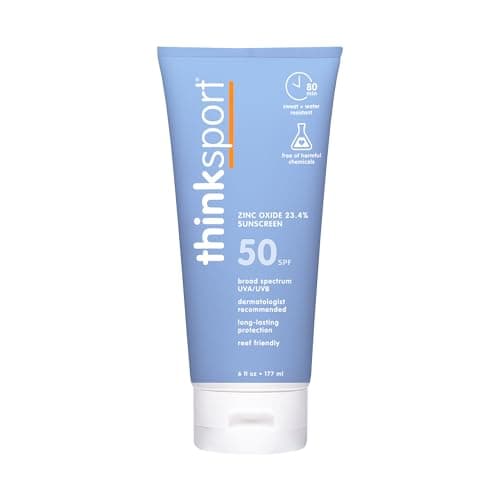
Can you leave sunscreen in a hot car?
What heat does to sunscreen filters and emulsions, why a glovebox bottle is the one most likely to fail, the signs to act on, and the truth about aerosols in a hot car.