Reef-Safe & Ingredients
The best fragrance-free sunscreens
Fragrance is the ingredient most likely to make a sunscreen sting, itch or flare, and it is the easiest one to simply not buy.
Disclosure: Spf & Shore earns commission from qualifying purchases made through links on this page, at no extra cost to you. It does not change which products we recommend. Read the full disclosure.
Our overall pick is Blue Lizard Sensitive Mineral SPF 50+: fragrance-free, mineral filters only, SPF 50+, and the full 80 minutes of water resistance a US label may claim. The budget pick is Cetaphil Sheer Mineral Face SPF 50, a fragrance-free zinc-only face lotion at the lowest price we recommend anywhere.
If one ingredient class accounts for most sunscreen complaints, it is fragrance. Fragrance is the most common cause of contact allergy in cosmetics, it is the usual culprit when a sunscreen stings a child's eyes or makes a rosacea-prone face flush, and it contributes precisely nothing to ultraviolet protection. You give up a pleasant smell and you lose no SPF at all, which makes it the easiest upgrade on this entire site.
The complication is labelling. Fragrance-free and unscented are not the same claim, neither is legally defined with any precision, and one of them can still contain a masking fragrance. The section below explains how to read it.
Quick picks
Tap any row to read the full write-up below.
| # | Product | Best for | Price |
|---|---|---|---|
| 1 | 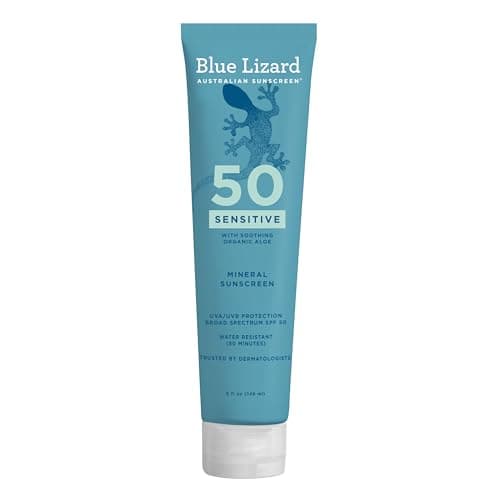 Blue Lizard Sensitive Mineral Sunscreen SPF 50+Best overall · SPF 50+ | One fragrance-free bottle for a whole household | $13.46 · View on Amazon #ad We earn from qualifying purchases · Price as of November 23, 2026 |
| 2 | 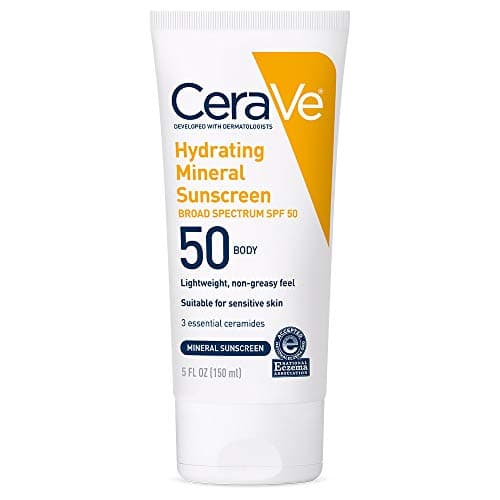 CeraVe Hydrating Mineral Sunscreen SPF 50 BodyBest for dry skin · SPF 50 | Fragrance-free body SPF on skin that is also dry | $14.99 · View on Amazon #ad We earn from qualifying purchases · Price as of November 23, 2026 |
| 3 | 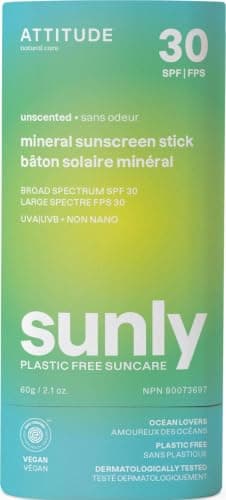 ATTITUDE Mineral Sunscreen Stick SPF 30 UnscentedBest stick · SPF 30 | Reapplying without fragrance, and without a plastic tube | $19.17 · View on Amazon #ad We earn from qualifying purchases · Price as of November 23, 2026 |
| 4 | 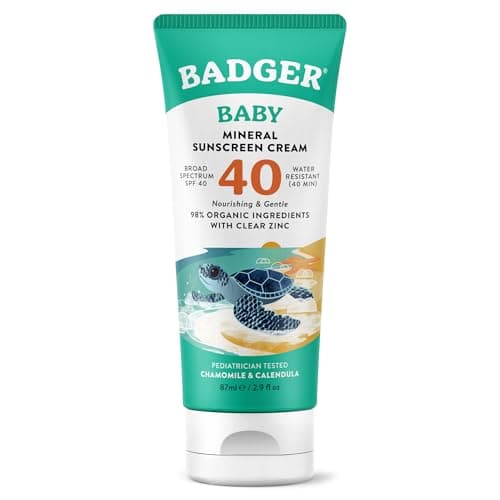 Badger Baby Sunscreen Cream SPF 40Best for babies and reactive skin · SPF 40 | The shortest ingredient list here | $14.39 · View on Amazon #ad We earn from qualifying purchases · Price as of November 23, 2026 |
| 5 | 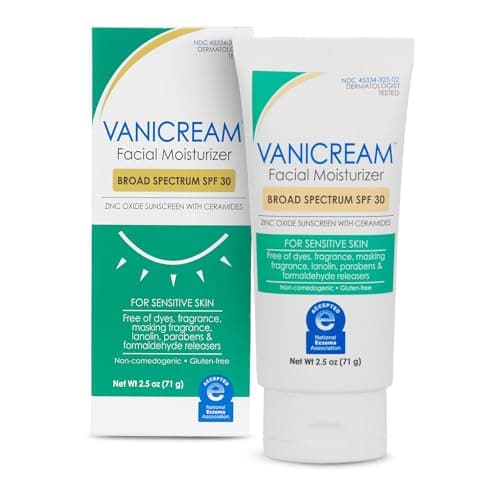 Vanicream Facial Moisturizer SPF 30Best daily face option · SPF 30 | A reactive face that needs moisturiser and SPF in one step | $13.97 · View on Amazon #ad We earn from qualifying purchases · Price as of November 23, 2026 |
| 6 | 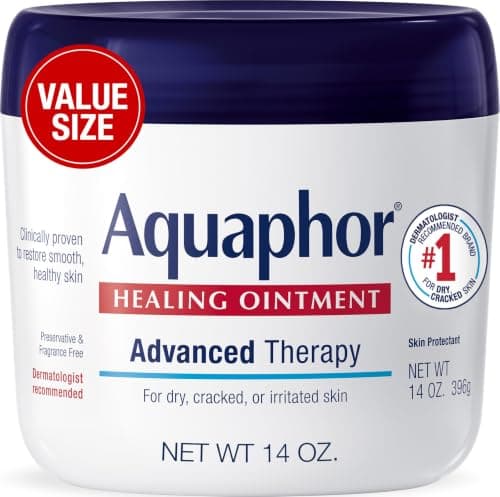 Aquaphor Advanced Therapy Healing OintmentBest for the aftercare · None — an OTC skin protectant, not sun protection | Repairing skin after a reaction or a burn | $16.49 · View on Amazon #ad We earn from qualifying purchases · Price as of November 23, 2026 |
| 7 | 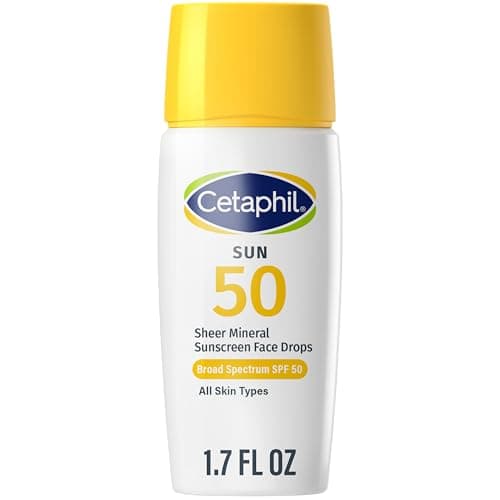 Cetaphil Sheer Mineral Face Sunscreen SPF 50Budget pick · SPF 50 | The cheapest fragrance-free face sunscreen worth wearing | $8.99 · View on Amazon #ad We earn from qualifying purchases · Price as of November 23, 2026 |
Fragrance-free, unscented and the difference that matters
These two terms are used interchangeably on packaging and they do not mean the same thing. Neither is a regulated term in the way SPF is, so what follows is how the industry generally uses them rather than a legal definition.
- Fragrance-free normally means no fragrance ingredients have been added for the purpose of scenting the product. This is the claim to look for.
- Unscented often means the product is not intended to smell of anything — which can be achieved by adding a masking fragrance to cover the raw smell of the base. A reactive face can respond to that masking fragrance exactly as it would to a perfume.
- No fragrance in the name is not the same as none in the ingredients. The only way to be sure is the ingredient list, where it appears as fragrance, parfum, or a named essential oil.
- Essential oils are fragrance. A product scented with lavender or citrus oil is a scented product, however natural the marketing is. What natural sunscreen actually means covers that framing.
Where a product on this page is described as fragrance-free or unscented, that is the brand's own label claim on its US listing, which we have taken at face value and said so rather than restating it as a test result of our own.
What we looked for
- A fragrance-free or unscented claim on the brand's own US listing, not an inference from the texture or the marketing.
- Mineral filters, because the readers who come to this page are overwhelmingly managing reactive skin, and mineral is the usual starting point for that.
- SPF 30 or higher with a broad-spectrum claim, read off the US actives panel.
- Coverage across formats, so there is a fragrance-free answer for a body, a face, a stick and the aftercare rather than only a lotion.
- Dye-free wherever the brand states it, since dyes are the second most common additive people react to. Our methodology.
We run no laboratory and do not patch-test products. Nothing here is medical advice — a persistent sunscreen reaction is worth a dermatologist's opinion, and patch testing is the only way to identify a specific allergen.
The picks compared
| Product | Scent claim | Actives | Water resistance |
|---|---|---|---|
| Blue Lizard Sensitive Mineral SPF 50+ | Fragrance-free | Zinc oxide and titanium dioxide | 80 minutes |
| CeraVe Hydrating Mineral SPF 50 Body | Fragrance-free | Zinc oxide and titanium dioxide, with ceramides | 40 minutes |
| ATTITUDE Mineral Sunscreen Stick SPF 30 | Unscented | Non-nano zinc oxide | 80 minutes |
| Badger Baby Sunscreen Cream SPF 40 | Unscented | Non-nano zinc oxide, listed at 22.5% | 40 minutes |
| Vanicream Facial Moisturizer SPF 30 | Low-irritant base | Zinc oxide | Not claimed |
| Aquaphor Advanced Therapy Healing Ointment | Dye- and fragrance-free | Petrolatum — no UV filters | Not applicable |
| Cetaphil Sheer Mineral Face SPF 50 | Fragrance-free | 100% mineral — zinc oxide | Not claimed |
Our picks in detail
01 · Best overall
Blue Lizard Sensitive Mineral Sunscreen SPF 50+
Blue Lizard · Read our Blue Lizard review
Fragrance-free, zinc oxide and titanium dioxide at SPF 50+, with the full 80 minutes of water resistance a US label may claim. It is the pick that gives up nothing: the maximum water-resistance claim, both mineral filters, no fragrance, and a bottle big enough to apply a genuine dose from.
- Actives:
- Zinc oxide and titanium dioxide
- SPF:
- SPF 50+
- Water resistance:
- 80 minutes
- Reef status:
- Mineral filters only; the Sensitive formula omits oxybenzone and octinoxate
- Best for:
- One fragrance-free bottle for a whole household
What works
- Fragrance-free with both mineral filters
- 80 minutes of water resistance, the maximum allowed
- Large bottle at a low price per ounce
The trade-off
- Visible cast that needs working in
- Thick, so covering a family takes time
- Faint base smell, as every fragrance-free formula has
#ad We earn from qualifying purchases · Price as of November 23, 2026
02 · Best for dry skin
CeraVe Hydrating Mineral Sunscreen SPF 50 Body
CeraVe · Read our CeraVe review
Zinc oxide and titanium dioxide with ceramides, fragrance-free, at SPF 50 with a 40-minute water-resistance claim. It is the fragrance-free body option to pick when the skin is dry as well as reactive, because the ceramide base does genuine work rather than decorating the label.
- Actives:
- Zinc oxide and titanium dioxide, with ceramides
- SPF:
- SPF 50
- Water resistance:
- 40 minutes
- Reef status:
- Mineral filters only
- Best for:
- Fragrance-free body SPF on skin that is also dry
What works
- Fragrance-free with ceramides in the base
- Both mineral filters at SPF 50
- Stocked in essentially every US drugstore
The trade-off
- 40 minutes of water resistance rather than 80
- Richer finish than oily skin will want
- Leaves more cast than the thinner lotions
#ad We earn from qualifying purchases · Price as of November 23, 2026
03 · Best stick
ATTITUDE Mineral Sunscreen Stick SPF 30 Unscented
ATTITUDE
Non-nano zinc oxide at SPF 30 with 80 minutes of water resistance, unscented, in a paper tube. The unscented formula is what earns it a place here: a stick goes on a face, close to eyes and nose, which is exactly where fragrance causes the most trouble.
- Actives:
- Non-nano zinc oxide
- SPF:
- SPF 30
- Water resistance:
- 80 minutes
- Reef status:
- Zinc only
- Best for:
- Reapplying without fragrance, and without a plastic tube
What works
- Unscented, with 80 minutes of water resistance
- Non-nano zinc as the filter
- Paper tube rather than plastic
The trade-off
- SPF 30 rather than 50
- Unscented rather than an explicit fragrance-free claim
- Paper tube softens if it gets properly wet
#ad We earn from qualifying purchases · Price as of November 23, 2026
04 · Best for babies and reactive skin
Badger Baby Sunscreen Cream SPF 40
Badger · Read our Badger review
Non-nano zinc oxide, which Badger lists at 22.5%, unscented, in a thick cream at SPF 40 with 40 minutes of water resistance. For a baby or a child with a reaction history the very short formula is the appeal, and the thickness means you can see exactly where it has and has not gone.
- Actives:
- Non-nano zinc oxide, which Badger lists at 22.5%
- SPF:
- SPF 40
- Water resistance:
- 40 minutes
- Reef status:
- Zinc only — reef-relevant chemical filters absent
- Best for:
- The shortest ingredient list here
What works
- Unscented with a high published zinc concentration
- Very short ingredient list
- Thick enough to be visible while applying
The trade-off
- 40 minutes of water resistance rather than 80
- The hardest formula here to spread
- SPF 40 rather than 50
#ad We earn from qualifying purchases · Price as of November 23, 2026
05 · Best daily face option
Vanicream Facial Moisturizer SPF 30
Vanicream · Read our Vanicream review
Zinc oxide in a base Vanicream formulates without common irritants, at SPF 30, sold as a facial moisturiser with sunscreen. The brand's entire positioning is reactive skin and short formulas, which is why it sits here even though the label language is about irritants rather than specifically about fragrance.
- Actives:
- Zinc oxide, in a base Vanicream formulates without common irritants
- SPF:
- SPF 30
- Water resistance:
- Not claimed — a daily facial moisturizer, not a water-resistant sunscreen
- Reef status:
- Zinc only — no oxybenzone, octinoxate or octocrylene
- Best for:
- A reactive face that needs moisturiser and SPF in one step
What works
- Base built around avoiding common irritants
- Zinc-only filter, moisturiser and SPF in one step
- Cheap enough for daily full-dose use
The trade-off
- SPF 30 rather than 50
- No water-resistance claim
- Leaves a cast and a slightly heavy finish
#ad We earn from qualifying purchases · Price as of November 23, 2026
06 · Best for the aftercare
Aquaphor Advanced Therapy Healing Ointment
Aquaphor
Petrolatum as the skin-protectant active, dye- and fragrance-free, and carrying no UV filters at all — which the label states plainly. It is here because the other half of a fragrance-free routine is what you put on skin that has already reacted, and a plain ointment is the thing least likely to make it worse.
- Actives:
- Petrolatum, listed as the skin-protectant active; dye- and fragrance-free
- SPF:
- None — an OTC skin protectant, not sun protection
- Water resistance:
- Not applicable
- Reef status:
- Not applicable — contains no UV filters
- Best for:
- Repairing skin after a reaction or a burn
What works
- An OTC skin protectant, not a cosmetic moisturiser
- Dye- and fragrance-free, so it does not sting broken skin
- One jar lasts months and works on lips too
The trade-off
- No SPF at all — it protects nothing from ultraviolet
- Heavy and greasy, so it is an evening product
- Can aggravate acne-prone skin over a whole face
#ad We earn from qualifying purchases · Price as of November 23, 2026
07 · Budget pick
Cetaphil Sheer Mineral Face Sunscreen SPF 50
Cetaphil
A 100% mineral zinc oxide face lotion at SPF 50, fragrance-free, that sets matte. It is the lowest-priced pick on this page and there is nothing clever about it, which is the point: a plain fragrance-free zinc film you can use every morning without thinking about it.
- Actives:
- 100% mineral — zinc oxide
- SPF:
- SPF 50
- Water resistance:
- Not claimed on the face formula
- Reef status:
- Zinc only — no oxybenzone, octinoxate or octocrylene
- Best for:
- The cheapest fragrance-free face sunscreen worth wearing
What works
- The lowest price on this page
- Fragrance-free with a zinc-only filter at SPF 50
- Sets matte, so makeup grips it
The trade-off
- No water-resistance claim
- Visible cast on deeper skin tones
- Small tube for a correct facial dose
#ad We earn from qualifying purchases · Price as of November 23, 2026
Why fragrance is the first thing to remove
When someone says sunscreen makes their skin react, there are only a handful of realistic suspects: a chemical filter, a preservative, an emulsifier, or fragrance. Fragrance is both the most common and the only one you can eliminate without giving anything up, because it serves no functional purpose in the product at all.
It is also the usual explanation for the two complaints that end sunscreen habits fastest. Stinging eyes in children is far more often a fragrance and chemical-filter problem than a formula-thickness problem, and facial flushing in rosacea-prone skin tracks fragrance closely. Sunscreen allergy and rash goes through how to work out what reacted, and the best sunscreen for sensitive skin is the wider roundup.
Who most needs this page
- Anyone with eczema or a compromised barrier, where fragrance has an easier route into the skin. The best sunscreen for eczema.
- Rosacea-prone faces, where fragrance is one of the clearest flush triggers. The best sunscreen for rosacea.
- Babies and young children, both because their skin is thinner and because the stinging-eyes problem ends sunscreen cooperation for a whole summer.
- Pregnancy, where many people become more scent-sensitive than usual. Sunscreen and pregnancy covers the wider question.
- Post-procedure skin, after a peel, a laser or any treatment that has deliberately compromised the barrier.
- Anyone who works closely with other people, which is a non-medical reason that comes up constantly and is perfectly valid.
The one thing fragrance-free costs you
Smell, and only smell. A fragrance-free mineral sunscreen does not smell of nothing — it smells faintly of its base, which is usually a mild waxy or oily note, and people who grew up associating that coconut smell with summer find it slightly disappointing. That is the entire trade.
What it does not cost you is protection. SPF, broad-spectrum status and water resistance are earned in the same standardised tests whatever the product smells like, and several of the picks here carry the maximum 80-minute water-resistance claim a US label allows.
What we would actually buy
One large bottle of Blue Lizard Sensitive for bodies, one Cetaphil or Vanicream for the face, one ATTITUDE stick for reapplying, and a tub of plain petrolatum ointment for the aftercare when something has gone wrong. Nothing in that list smells of anything and nothing in it gives up any SPF. The best sunscreen for a compromised skin barrier is the page if your skin is currently in a bad state, and the best reef-safe sunscreens is the overlapping list for the filter question.
Sources
- Sunscreen: How to Help Protect Your Skin from the Sun — U.S. Food and Drug Administration
- Questions and Answers: FDA Requirements for Over-the-Counter Sunscreen Products — U.S. Food and Drug Administration
- Sunscreen FAQs — American Academy of Dermatology
- How to prevent skin cancer — American Academy of Dermatology
- About the NEA Seal of Acceptance — National Eczema Association
Frequently asked questions
What is the best fragrance-free sunscreen?
Blue Lizard Sensitive Mineral SPF 50+ is our pick: fragrance-free, both mineral filters, SPF 50+ and the full 80 minutes of water resistance a US label may claim. For a face, Cetaphil Sheer Mineral Face SPF 50 is fragrance-free, zinc-only and the cheapest option here.
Is fragrance-free the same as unscented?
No. Fragrance-free normally means no fragrance ingredients were added to scent the product. Unscented often means the product is not meant to smell of anything, which can involve adding a masking fragrance to cover the base. Neither term is tightly regulated, so the ingredient list is the only reliable check.
Does fragrance in sunscreen cause reactions?
Fragrance is the most common cause of contact allergy in cosmetics generally, and it is the usual suspect when a sunscreen stings, itches or causes flushing. It contributes nothing to ultraviolet protection, which makes it the one ingredient you can remove at no cost to how well the product works.
Are essential oils in sunscreen fragrance?
Yes. A product scented with lavender, citrus or any other essential oil is a scented product, and essential oils are a well-recognised source of contact reactions. Natural positioning on the front of a bottle says nothing about how a reactive face will respond to it.
Is mineral sunscreen always fragrance-free?
No. Plenty of mineral sunscreens are scented, including some sold for children. Mineral describes the filter, not the rest of the formula, so the fragrance question has to be checked separately on the ingredient list.
What should you do if a fragrance-free sunscreen still irritates your skin?
See a dermatologist rather than working through more bottles. Removing fragrance removes the most common trigger, not every trigger: preservatives, emulsifiers and chemical filters all cause reactions too, and patch testing is the only way to identify which. Sunscreen allergy and rash covers how to narrow it down in the meantime.
Read next
Reef-Safe & Ingredients
The best sunscreen for sensitive skin
Fragrance-free mineral formulas for reactive skin, chosen on the inactive ingredients.

Reef-Safe & Ingredients
Sunscreen allergy and sunscreen rash
What actually causes a sunscreen rash, why fragrance is the usual culprit rather than the filters, and the formulas to fall back on.
Reef-Safe & Ingredients
The best sunscreen for eczema
Fragrance-free mineral formulas for eczema-prone skin, where sunscreen belongs in the routine, and what to do on a flare day.
Reef-Safe & Ingredients
Sunscreen and pregnancy
Why mineral is the usual default in pregnancy, and why melasma makes a tinted formula worth choosing.
Face & Tinted SPF
The best sunscreen for rosacea
Fragrance-free mineral sunscreens chosen for rosacea: no heat, no friction, and a tint that corrects redness.
Reef-Safe & Ingredients
The best reef-safe sunscreens under $25
Seven zinc-only sunscreens under $25 across body, spray, stick and lips, all satisfying the named-filter restrictions in Hawaii, Key West and Palau.