Reef-Safe & Ingredients
Sunscreen and pregnancy
Mineral is the usual default, and melasma is the reason a tinted one is worth choosing.
Disclosure: Spf & Shore earns commission from qualifying purchases made through links on this page, at no extra cost to you. It does not change which products we recommend. Read the full disclosure.
Mineral sunscreen — zinc oxide and titanium dioxide — is the usual recommendation during pregnancy, because those filters are not meaningfully absorbed through intact skin. Chemical filters have not been shown to cause harm in pregnancy, but several are absorbed into the bloodstream, and the FDA has asked for more safety data on them. Mineral avoids the open question entirely at no cost to protection.
Sun protection matters more than usual in pregnancy for a specific reason: melasma. Hormonal changes make it far more common, and it is triggered by visible light as well as ultraviolet — which is why a tinted mineral sunscreen is the version worth choosing.
Why mineral is the default
Zinc oxide and titanium dioxide sit on the surface of the skin and are the two filters the FDA has proposed as generally recognized as safe and effective. Research consistently finds they do not penetrate intact skin in meaningful amounts.
Chemical filters are a different situation, not because harm has been shown but because it has not been ruled out to a modern standard. FDA studies found several cross into plasma above the level that triggers a request for further data. That is a data gap rather than evidence of harm, and the FDA advises continuing to use sunscreen — but in pregnancy, choosing the filters without the open question is a sensible default that costs you nothing. Is sunscreen toxic covers the studies in full.
Oxybenzone attracts the most caution specifically, because it showed the highest plasma concentrations and has demonstrated hormonal activity in laboratory studies at doses well above realistic exposure. It is also the filter most commonly restricted by reef-protection laws, so avoiding it is easy.
Melasma: the reason this matters more than usual
Melasma is symmetrical patchy hyperpigmentation, most often on the cheeks, forehead and upper lip. It is so commonly triggered by pregnancy that it is widely known as the "mask of pregnancy." It often fades after delivery, and it often does not fade completely.
Sun exposure is the main aggravating factor, and critically, visible light contributes as well as ultraviolet. Zinc and titanium cover UV; they do very little against visible light. Iron oxides — the pigments that make a sunscreen tinted — absorb it.
That is why dermatologists managing melasma specify a *tinted* mineral sunscreen rather than any mineral sunscreen. The tint is part of the protection, not a cosmetic preference. Iron oxides and visible light has the mechanism, and our tinted picks are the products.
Skin sensitivity in pregnancy
Skin frequently becomes more reactive during pregnancy, and products tolerated for years can start to sting or flush. If that happens, the usual suspects apply: fragrance first, then essential oils and botanical extracts, then the filters. A fragrance-free mineral formula with a short ingredient list is the safest reset. Best sunscreen for sensitive skin.
Practical sun protection while pregnant
- Tinted mineral SPF on the face daily, reapplied at midday. Powder makes that practical over makeup.
- Untinted mineral on the body, at the full amount.
- A wide-brim hat, which is the most effective thing you can do for melasma and requires nothing to be applied. Sun hats.
- Shade between 10am and 4pm, which also helps with the heat sensitivity that often accompanies pregnancy.
- Remember the neck and chest, where melasma-adjacent pigmentation frequently appears and sunscreen habits often stop.
What to ask your clinician about
Two things in particular. Prescription topicals — several treatments used for melasma, including hydroquinone and retinoids, are not used in pregnancy, so treatment plans usually change and that sequencing is a clinical decision. And any new or changing mole, which should always be assessed rather than attributed to pregnancy.
This page describes what is on labels and what regulators have published. It is general information and not medical advice, and pregnancy is exactly the situation where your own clinician's answer beats a website's.
Sources
- Sunscreen Drug Products for Over-the-Counter Human Use (proposed rule) — Federal Register / FDA
- Sunscreen: How to Help Protect Your Skin from the Sun — U.S. Food and Drug Administration
- Sunscreen FAQs — American Academy of Dermatology
- Sunscreen — Skin Cancer Foundation
Frequently asked questions
Is sunscreen safe during pregnancy?
Mineral sunscreen — zinc oxide and titanium dioxide — is the usual recommendation because those filters are not meaningfully absorbed through intact skin. Chemical filters have not been shown to cause harm in pregnancy, but several are absorbed and the FDA has requested further safety data on them.
What sunscreen is best for melasma in pregnancy?
A tinted mineral sunscreen. Iron oxides absorb visible light, which contributes to melasma alongside ultraviolet and which zinc and titanium do not block. That is why dermatologists specify tinted rather than just mineral.
Should I avoid oxybenzone while pregnant?
Many people choose to, and it is easy to do since mineral sunscreens contain none. Oxybenzone showed the highest plasma concentrations in FDA absorption studies and has demonstrated hormonal activity in laboratory studies at doses well above realistic exposure.
Does pregnancy make skin more sensitive to sunscreen?
It commonly does, and products tolerated for years can start to sting. The usual triggers are fragrance, essential oils and botanical extracts rather than the filters. A fragrance-free mineral formula with a short ingredient list is the safest reset.
Read next
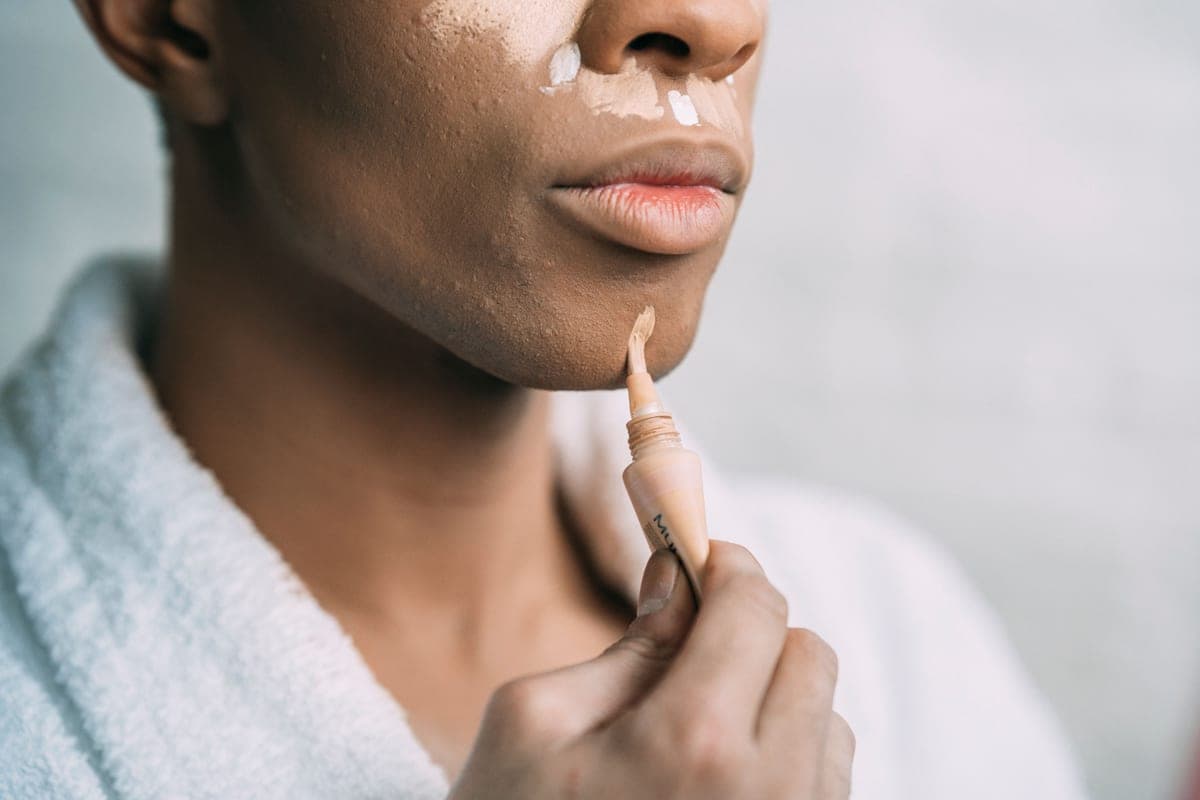
Face & Tinted SPF
Iron oxides and visible light
Why iron oxides protect as well as tint, and what that means for melasma and hyperpigmentation.
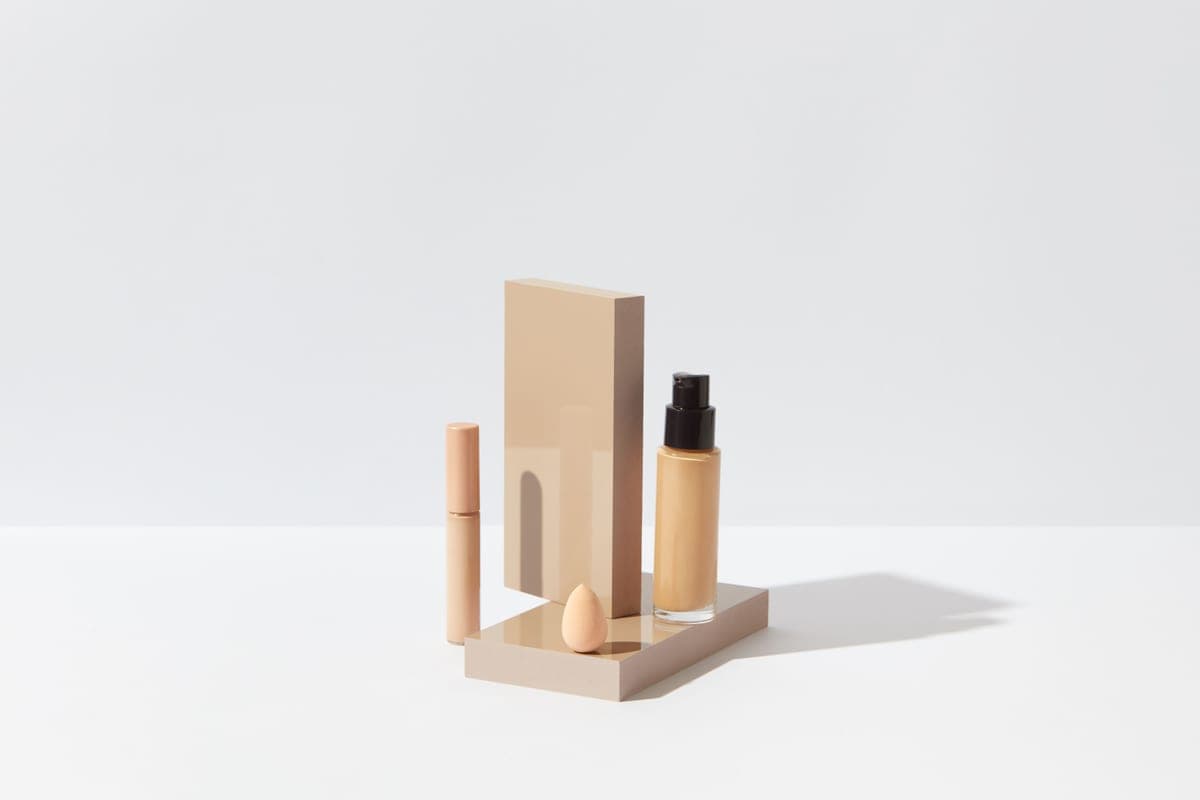
Face & Tinted SPF
The best tinted sunscreens
Tinted mineral formulas that cancel the cast and add visible-light protection, across every finish.
Reef-Safe & Ingredients
Is sunscreen toxic?
What the FDA absorption studies found, what they did not, and how to weigh it without fear-selling.
Reef-Safe & Ingredients
The best sunscreen for sensitive skin
Fragrance-free mineral formulas for reactive skin, chosen on the inactive ingredients.
Mineral Sunscreen
Mineral vs chemical sunscreen
How each filter type works, what the absorption research actually found, and which to choose for your situation.

Sun Protective Gear
The best sun hats
Wide-brim UPF 50+ hats for adults and children, and why a baseball cap is not enough.