Reef-Safe & Ingredients
Reef-safe vs reef-friendly: is either real?
Neither phrase means anything legally. Here is what the research shows, and where it is genuinely contested.
Disclosure: Spf & Shore earns commission from qualifying purchases made through links on this page, at no extra cost to you. It does not change which products we recommend. Read the full disclosure.
Neither phrase has a legal definition in the United States. "Reef safe" and "reef friendly" are marketing terms that any manufacturer may print on any product without testing or certification. What is real is the legislation — Hawaii, Key West, the US Virgin Islands, Palau, Bonaire and Aruba each restrict named filters, and those restrictions are what a traveler should actually be checking against.
The harder question — whether choosing a mineral sunscreen meaningfully helps coral — deserves a more careful answer than either side of this argument usually gives.
What the research actually found
Laboratory studies have demonstrated that oxybenzone causes damage to coral larvae, including DNA damage, deformity and death, at concentrations measured in parts per trillion — and that it contributes to bleaching. That body of work is real and it is what legislators acted on.
It has also been criticized on methodology, principally that exposures in controlled tanks do not straightforwardly represent conditions in open water. NOAA's summary presents the findings alongside those limits, which is the appropriate way to hold both.
The part that is genuinely contested
Whether real-world concentrations reach harmful levels. This varies enormously with water volume, current, and how many swimmers are present. A small, enclosed, heavily used bay is a very different situation from an open reef with strong tidal flushing. Studies have found detectable sunscreen chemicals in popular swimming areas; whether the concentrations are sufficient to cause the effects seen in tanks is where the argument sits.
And the relative size of the effect. The dominant driver of global coral loss is ocean warming, with acidification, overfishing, pollution and physical damage from tourism also well ahead of sunscreen in most assessments. The EPA's coral material reflects that ordering.
So is it theater?
No — but it is a small action, and it should be described as one. The honest position has three parts:
- Choosing mineral sunscreen when you snorkel is a sensible, essentially free precaution. It costs you no protection, and mineral filters are unrestricted everywhere.
- It will not save reefs. Anyone implying it might is selling something, and the people who read ingredient lists notice.
- The legislation is still worth complying with, both because it is the law where it applies and because concentrated tourist swimming areas are exactly the case where the concentration argument is strongest.
Reef safe vs reef friendly: any difference?
None that is regulated. Some brands use "reef friendly" as a softer claim, acknowledging that "safe" overstates what can be demonstrated — which is arguably more honest, and is still not a standard. Both phrases require you to turn the bottle over.
| What you read | What it actually tells you |
|---|---|
| Reef safe | Nothing verifiable. Check the actives panel. |
| Reef friendly | Nothing verifiable. Slightly more honest phrasing, same absence of standard. |
| Hawaii compliant | Usually means no oxybenzone or octinoxate. Still worth verifying. |
| No oxybenzone or octinoxate | A specific, checkable claim. Better than the above. |
| Active ingredients: zinc oxide and/or titanium dioxide | The only statement that satisfies every current restriction. |
What helps more than your sunscreen choice
- Wear a rash guard. A UPF 50+ shirt means dramatically less product on your skin and therefore in the water.
- Apply 15 to 30 minutes before entering, so less washes straight off.
- Never touch or stand on coral. Physical contact does immediate, visible damage.
- Use reef-safe operators who moor rather than anchor on reef.
- Reapply on land, not standing in the shallows.
Sources
- Sunscreen chemicals and coral reefs — NOAA National Ocean Service
- Coral Reefs — U.S. Environmental Protection Agency
- Sunscreen: How to Help Protect Your Skin from the Sun — U.S. Food and Drug Administration
- Sunscreen — Skin Cancer Foundation
Frequently asked questions
Is reef-safe sunscreen actually reef safe?
Reef safe has no legal definition, so the phrase itself guarantees nothing. Mineral sunscreens do avoid the filters restricted by reef-protection laws, which is a reasonable precaution — but ocean warming, not sunscreen, is the dominant driver of coral loss.
Is reef-safe sunscreen a myth?
The label is unregulated, so the claim is often hollow. The underlying research on oxybenzone harming coral is real, and it is what the legislation was built on. Both things are true, which is why the honest framing is a small worthwhile precaution rather than a solution.
What is the difference between reef safe and reef friendly?
Nothing regulated. Neither term has a legal definition or requires testing. Reef friendly is arguably more honest phrasing because it does not claim safety, but both require you to check the actives panel yourself.
Does sunscreen really damage coral reefs?
Laboratory studies show oxybenzone harms coral larvae at low concentrations, which is the basis for the restrictions. Whether real-world concentrations reach those levels varies with water volume, current and swimmer density, and the dominant global driver of coral loss is ocean warming.
Read next

Reef-Safe & Ingredients
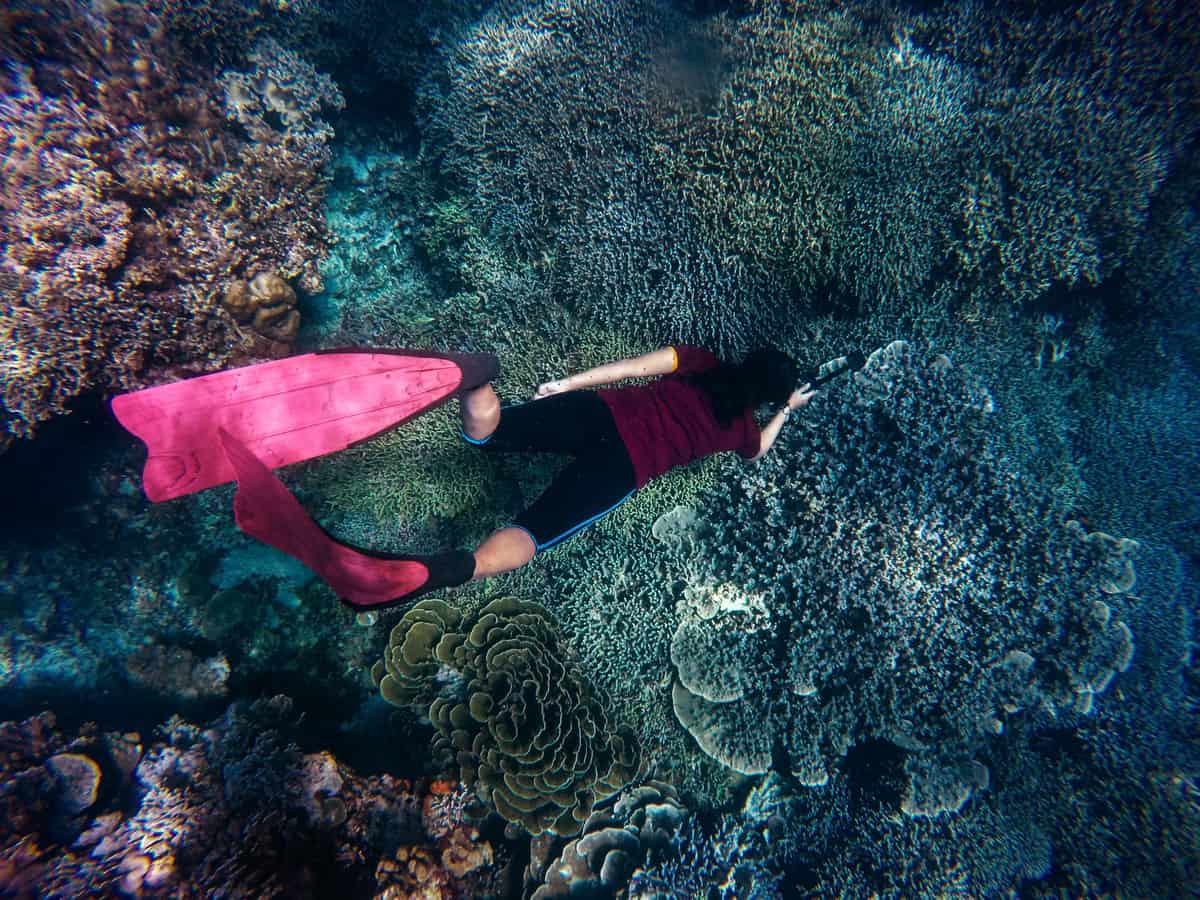
What reef-safe sunscreen actually means
The unregulated claim, and the ingredient rules that actually matter — checkable in ten seconds.
Reef-Safe & Ingredients
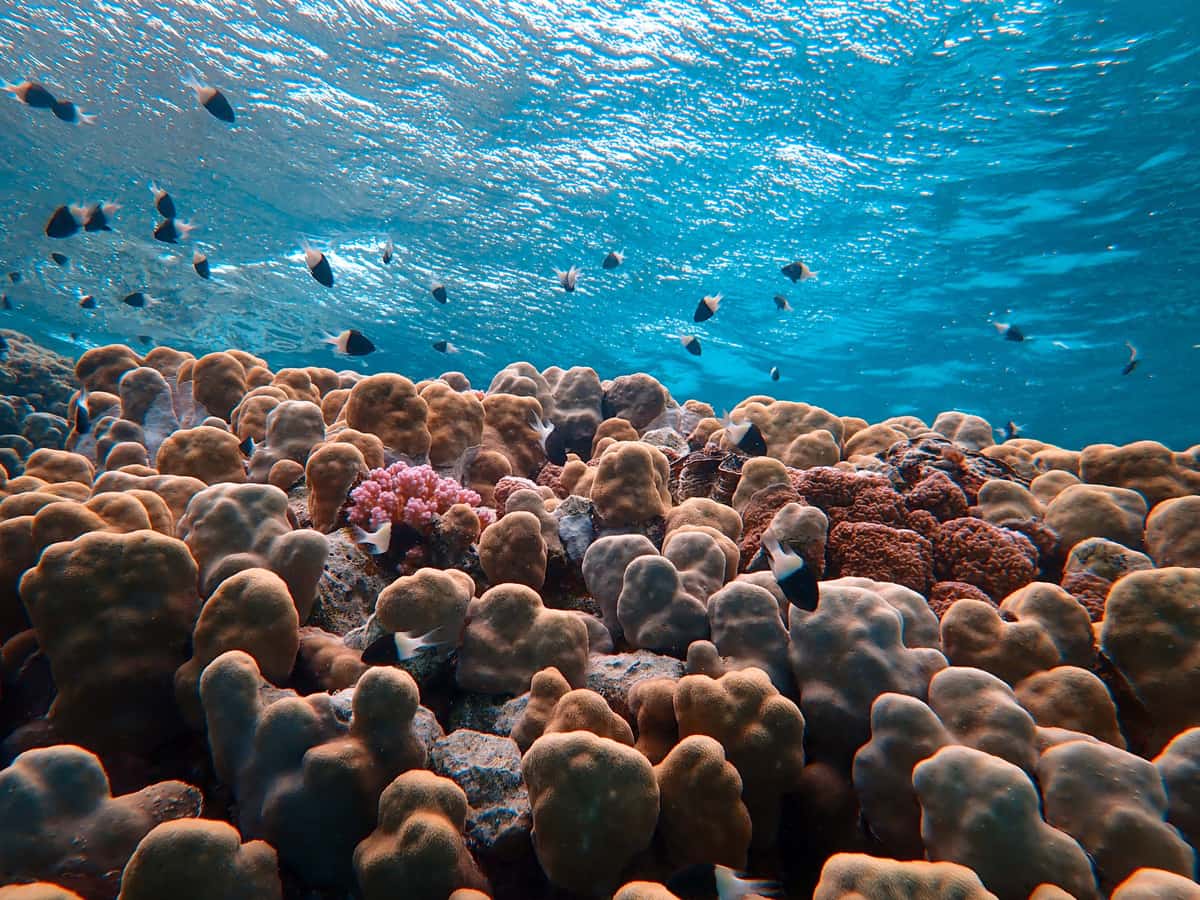
Where reef-safe sunscreen is actually required
Destination-by-destination restrictions, what each one covers, and what to pack.
Reef-Safe & Ingredients
The best reef-safe sunscreens
Mineral-only formulas that satisfy every current reef-protection law, chosen on the actives panel.
Reef-Safe & Ingredients
Oxybenzone vs avobenzone
What each chemical filter does, why only one is restricted, and what that means for your bottle.
Mineral Sunscreen
What natural sunscreen actually means
Why natural, clean and chemical-free mean nothing legally, and the one part of the label that does.

Sun Protective Gear
The best sun shirts
UPF 50+ shirts and hoodies chosen on fabric, fit and heat management — protection that never needs reapplying.